
-
Mattresses
Bed Size
Brands
Feel
Types of Mattress
Find the best mattress for your needs with our quick mattress finder quiz.
Mattress AI Quiz
- Adjustable Bases
- Bedding
- Bed Frames
- Sale
- Locations






 Hybrid
 Individual Pocketed Coil
 Foam
Foam Open Coil



Let’s bust a common myth: you don't have to spend thousands to get a high-quality, comfortable mattress. While premium price tags were once the norm, the industry has changed, making amazing value more accessible than ever. The secret is knowing how to spot a genuinely good deal and avoid a cheaply made bed that will fail you in a year. Think of this guide as your insider’s manual. We’ll show you how to read between the lines of a warranty, which materials offer the best durability for the price, and how to find the best affordable mattress that truly delivers.
Key Takeaways
- Look for value, not just a low price: A truly affordable mattress is a smart investment. Prioritize durable materials, solid construction, and a standard 10-year warranty to ensure your bed is built for lasting comfort.
- Shop for your specific sleep style: Your primary sleeping position dictates the support you need. Side sleepers should seek softer surfaces for pressure relief, while back and stomach sleepers typically need a medium-firm to firm mattress for proper spinal alignment.
- A sleep trial is your best friend: Never buy a mattress without at least a 100-night sleep trial. This policy is your risk-free guarantee, giving you plenty of time to test the bed at home and make sure it’s the perfect fit for you.
What Really Makes a Mattress Affordable?
When you hear the word "affordable," it’s easy to think it just means "cheap." But when it comes to something as important as your mattress, the two are worlds apart. An affordable mattress isn’t about finding the lowest price tag possible; it’s about getting the best value for your money. It’s a high-quality bed that delivers great sleep without forcing you to drain your savings account.
So, what’s the magic number? Generally, a quality Queen mattress priced under $700 is considered affordable. When you consider that the average Queen costs over $1,400, finding a great option in this range means you’re getting a fantastic deal. The key is to find a mattress that balances a budget-friendly price with the features you need for restorative sleep. It’s the difference between a mattress that’s simply inexpensive and one that’s an incredible value.
A truly affordable mattress doesn't compromise on performance. It should still offer excellent support, relieve pressure points, and hold up well over time. Think of it this way: a cheap mattress might feel okay for a few months before it starts to sag, but a good affordable mattress is built to last. At Mattress on Demand, we focus on mattresses that provide lasting comfort and durability, so you know your investment is a smart one.
One of the best ways to spot a quality affordable mattress is by looking at the warranty and sleep trial. A manufacturer that stands behind its product will offer a substantial warranty (think 10 years or more) and a sleep trial of at least 100 nights. These policies show confidence in the mattress’s construction and materials. It’s a promise that you’re not just buying a temporary solution, but a bed designed for years of comfortable sleep.
Top-Rated Affordable Mattresses to Consider
Now that you know what to look for in a great affordable mattress, let's talk about some specific models that consistently get rave reviews. Finding the right one often comes down to your personal sleep habits and preferences. To make your search a little easier, I’ve rounded up a few top-rated mattresses that deliver fantastic comfort and support without the hefty price tag. Each of these excels in different areas, so you can find the perfect match for your needs, whether you sleep on your side, need extra support, or share the bed with a partner.
Best for Side Sleepers and Couples: Helix Midnight
If you're a side sleeper or share your bed with a partner, the Helix Midnight is a total game-changer. Its medium-firm feel is engineered to cushion your shoulders and hips, which is exactly where side sleepers need pressure relief. But the real magic for couples is its impressive motion isolation. You can say goodbye to being woken up every time your partner tosses and turns. We're big fans of Helix mattresses at Mattress on Demand because they offer personalized comfort that really works. The Midnight model, highlighted by sources like Mattress Nerd, strikes that perfect balance between supportive and cozy, making it a crowd-pleaser for a reason.
Best for All-Around Comfort: Nectar Memory Foam
When it comes to incredible value, the Nectar Memory Foam mattress is a name you'll hear a lot, and for good reason. It’s known for delivering that classic, body-hugging memory foam feel that adapts to your shape and relieves pressure points. What really sets Nectar apart in the affordable category is its commitment to customer confidence. As noted by experts at NCOA, they offer a 365-night trial and a lifetime warranty. That’s a full year to decide if you love it! This kind of guarantee is rare at this price point and shows that the company truly stands behind its product’s quality and durability.
Best for Active Lifestyles: Bear Original
For anyone who leads an active life—whether you're hitting the gym, chasing kids around, or working a physically demanding job—the Bear Original is designed with you in mind. This mattress is built to support muscle recovery overnight. It combines cooling graphite-gel memory foam with a responsive transition foam to help regulate your temperature and provide targeted support where you need it most. Its construction helps create a restorative sleep environment, so you can wake up feeling refreshed and ready for the day. It’s a fantastic choice for those who need their sleep to work as hard as they do.
Best for Those Who Prefer a Firm Feel: Plank Firm
If you're someone who believes a mattress can't be too firm, meet your match. The Plank Firm by Brooklyn Bedding is specifically designed for sleepers who need and want an ultra-firm surface. A firm mattress is often recommended for back and stomach sleepers because it helps maintain proper spinal alignment, preventing your hips from sinking too low. What makes the Plank unique is that it’s flippable, offering two different firmness levels—firm and extra-firm—in one bed. This allows you to customize your support level, ensuring you get the solid, stable sleep surface you need for a pain-free morning.
Where to Shop for the Best Affordable Mattresses
Okay, you know you need a new mattress, and you have a budget in mind. But where do you even start looking? Between local showrooms, online-only brands, and giant retail stores, the choices can feel endless. The good news is that finding a high-quality, affordable mattress is easier than you think. Let's walk through the best places to find your next great night's sleep without overspending.
Why Shopping Local in Texas Pays Off
There’s something special about shopping local, especially when it comes to a purchase as personal as a mattress. When you visit a local store in Katy, Richmond, or Rosenberg, you get an experience you just can't replicate online. You can actually lie down, feel the different levels of firmness, and compare models side-by-side. Plus, you get to talk to real people who know their stuff and can guide you to the perfect fit for your sleep style and budget. Many affordable mattresses can still offer good quality and last a long time, and a local expert can help you find those hidden gems. Supporting a local business also means you’re investing right back into your community.
Should You Consider a "Bed-in-a-Box"?
You’ve probably seen the ads for mattresses that arrive compressed in a box. These online brands have become super popular because they often offer competitive pricing by selling directly to consumers. And it's true, you don't have to spend a lot to get a good mattress. High-quality options are available for under $1,000 from many of these companies. The main drawback is that you can't try before you buy. That’s why we bridge the gap by carrying top online brands like Helix Mattress right here in our showroom. You get the innovative technology and great value of a bed-in-a-box brand with the confidence of testing it out first.
What to Know About Big Box Stores
Big box retailers can seem like a one-stop shop for everything, including mattresses. Stores like Costco and IKEA can be good places to find affordable and suitable mattresses, and you might even snag a good deal. However, the selection is usually limited, and the sales staff may not have specialized knowledge about sleep ergonomics or mattress construction. Finding specific features can also be a challenge. For instance, if you're a hot sleeper, you know that mattresses that help you stay cool are a popular feature, but it might be tough to find and compare cooling options in a warehouse setting. A dedicated mattress store will always offer a wider variety and more tailored advice for all your bedding needs.
What Features Should a Great Affordable Mattress Have?
Finding a great mattress on a budget isn't about settling for less; it's about shopping smarter. An affordable price tag doesn't have to mean a compromise on quality or comfort. The key is to know which features deliver a truly restful night's sleep and which are just bells and whistles. To find a mattress that offers real value, you need to look past the marketing and focus on four key areas: the materials it's made of, the policies that protect your purchase, the warranty that backs it up, and the performance features that suit your sleep style. By paying attention to these details, you can find a durable, comfortable mattress that feels like a luxury without the premium cost.
Pay Attention to Materials and Construction
When you're looking at affordable mattresses, you'll notice they often skip the super-thick comfort layers or specialty organic covers to keep the price down. And honestly, that's okay. Your focus should be on the core components that provide support and comfort. Look for a sturdy support base, whether it's high-density foam or a durable coil system. The top comfort layers should be substantial enough to cushion your body's pressure points, like your hips and shoulders. A well-made hybrid mattress, for example, combines supportive coils with comfortable foam, giving you a balanced feel that doesn't break the bank.
Understanding Foam Density
Here’s a little industry secret: foam density is a much better indicator of durability than firmness. Density measures how much foam is packed into a cubic foot, and a higher number means the mattress is less likely to develop body impressions and sag over time. For a bed that will hold up, look for memory foam with a density of at least 3 pounds per cubic foot. If you're considering a mattress with regular polyfoam, aim for a density of at least 1.8 pounds per cubic foot. This simple check helps ensure you’re investing in a mattress built for lasting comfort, not just a few good months of sleep.
What to Look for in Coil Count
When you're looking at hybrid or innerspring mattresses, you’ll hear a lot about coil count. While it’s not the only thing that matters—coil gauge and construction are also important—it’s a helpful starting point. A higher number of coils generally means the mattress can provide more targeted support and will be more durable. As a solid rule of thumb, a quality queen-size mattress should have at least 500 coils. This gives you a good baseline to ensure the bed has a strong, supportive core that will keep you comfortably supported through the night.
The Benefit of Zoned Support
Have you ever woken up with a sore lower back? A mattress with zoned support can be a game-changer. This design feature provides varied levels of firmness across the mattress to support your body where it needs it most. Typically, you’ll find firmer support in the center third of the mattress to keep your hips from sinking too low, which helps maintain healthy spinal alignment. The areas under your shoulders and legs are often a bit softer to relieve pressure. This targeted approach is a fantastic feature to look for in an affordable mattress because it delivers tailored comfort that makes a real difference in how you feel each morning.
Don't Skip the Fine Print: Sleep Trials & Returns
Think of a sleep trial as your safety net. It can take a few weeks for your body to fully adjust to a new sleep surface, so testing a mattress at home is the only way to know if it’s right for you. I recommend looking for a trial period of at least 100 nights. This gives you plenty of time to experience the mattress through different sleep cycles and decide if it’s a good fit. Before you buy, read the fine print on the return policy. Find out if there are any return fees or specific procedures you need to follow. A company that offers a straightforward, risk-free trial is confident in its product.
Does the Warranty Actually Cover You?
A warranty is the manufacturer's promise of quality. For mattresses, a 10-year warranty is the industry standard and a good indicator of a well-made product. A solid warranty protects you from manufacturing defects, like significant sagging or coils that break or poke through the foam. It’s important to understand what is and isn't covered. Normal wear and tear or changes in your comfort preference usually aren't included. A clear, long-term warranty shows that the company stands behind its construction and materials, giving you peace of mind that your investment is protected for years to come.
How Well Does It Handle Motion and Heat?
If you share your bed with a partner, pet, or child, motion transfer is a big deal. It’s the measure of how much movement you feel when someone else on the bed moves. All-foam mattresses are fantastic at isolating motion, so you can sleep soundly even if your partner is tossing and turning. Temperature is another critical factor for comfortable sleep. If you tend to sleep hot, look for mattresses with cooling features. Many modern mattresses incorporate breathable covers, gel-infused foams, or hybrid designs with airflow-promoting coils to help regulate temperature and keep you from overheating during the night.
A Quick Guide to Affordable Mattress Types
When you start shopping for an affordable mattress, you'll quickly notice a few key terms pop up: memory foam, hybrid, and innerspring. Each type has a distinct feel and set of benefits, and knowing the difference is the first step to finding your perfect match without overspending. Think of it like this: you wouldn't buy a car without knowing what's under the hood, right? The same goes for your mattress. Let’s break down what makes each type unique so you can choose the best one for your sleep needs and budget.
Memory Foam: Budget-Friendly Pressure Relief
Memory foam mattresses are famous for their body-hugging feel. If you love the sensation of sinking into your bed and feeling it contour to your every curve, this might be the one for you. All-foam beds are fantastic at relieving pressure on your hips and shoulders and are great at stopping motion transfer, which is a huge plus if you share your bed with a restless partner. The main things to watch for are that some can trap heat and have softer edges. However, many modern foam mattresses now include cooling gel or other technologies to keep you comfortable all night long.
Typical Cost and Lifespan
One of the biggest draws of memory foam is its price point. You can find quality foam mattresses anywhere from $250 to over $1,000, making them one of the most accessible options on the market. In terms of how long it will last, you can generally expect a good memory foam mattress to provide comfortable sleep for about seven years. While this is a bit shorter than some other types, the value you get for the initial investment is hard to beat. The key is to choose a model with high-density foams that resist sagging. When you shop for a mattress, look for one backed by a 10-year warranty, which is a great sign that the manufacturer has built it to last.
Hybrid: The Best of Both Worlds
Can't decide between the contouring comfort of foam and the sturdy support of coils? You don't have to. Hybrid mattresses combine the best features of both, layering memory foam or latex over a core of individually wrapped innerspring coils. This construction gives you a great balance of pressure relief, bounce, and support. The coil system also allows for much better airflow, making hybrids a cooler option than many all-foam beds. Brands like Helix have perfected this design, creating a mattress that feels both supportive and plush, making it a versatile choice for almost any sleeper.
Typical Cost and Lifespan
One of the biggest draws of memory foam is its price point. You can find quality foam mattresses anywhere from $250 to over $1,000, making them one of the most accessible options on the market. In terms of how long it will last, you can generally expect a good memory foam mattress to provide comfortable sleep for about seven years. While this is a bit shorter than some other types, the value you get for the initial investment is hard to beat. The key is to choose a model with high-density foams that resist sagging. When you shop for a mattress, look for one backed by a 10-year warranty, which is a great sign that the manufacturer has built it to last.
Innerspring: Classic Support for Less
Innerspring is the classic mattress type many of us grew up with. Built around a core of steel coils, these beds offer structured, firm support and a bouncy feel. Thanks to all the space between the coils, they also have excellent airflow, which is great for hot sleepers. While they are often the most budget-friendly option, they do have some trade-offs. Innerspring mattresses can sometimes be a bit noisy and may not contour to your body as closely as foam or hybrid models. Still, for shoppers in Katy and Rosenberg looking for a dependable and affordable mattress, a modern innerspring can be a fantastic choice.
Which Affordable Mattress Is Right for Your Sleep Style?
The best mattress for you isn't just about price; it's about how you sleep. Your preferred sleeping position determines the type of support you need to wake up feeling refreshed instead of sore. Whether you curl up on your side, stretch out on your back, or sprawl on your stomach, there’s an affordable mattress designed to give you a great night's sleep. Let's find the perfect match for your unique style, ensuring you get the comfort and support you need without overspending.
Side Sleepers: You Need Pressure Relief
If you’re a side sleeper, you know the feeling of waking up with a sore shoulder or hip. That’s because your body’s main pressure points dig into the mattress all night. The key is to find a bed that cushions these areas. Experts suggest that side sleepers might like a slightly softer mattress to cradle the hips and shoulders, which helps alleviate pressure points and keep your spine in a straight line. A memory foam or hybrid mattress can be a fantastic choice, as it contours to your body’s curves while still providing underlying support. Look for options labeled "plush" or "medium-soft" to get that perfect blend of comfort.
Back Sleepers: Aim for Balanced Support
Back sleepers have a head start on maintaining good sleep posture, but the right mattress is still crucial. You need a surface that’s supportive enough to prevent your lower back from sinking too far, which can cause strain. The goal is a perfect balance of comfort and support. According to specialists, back sleepers need medium to firm support to maintain the natural curvature of the spine. This ensures your back is properly supported without feeling like you’re sleeping on a board. A medium-firm hybrid or foam mattress often hits that sweet spot, providing a solid foundation with just enough give for comfort.
For Stomach Sleepers: Look for Firmer Options
Sleeping on your stomach can put a lot of stress on your spine if your mattress is too soft. When your midsection sinks, it creates an unnatural curve in your back that can lead to aches and pains. To avoid this, stomach sleepers generally require a firmer mattress to keep their spine straight and prevent strain on the neck and lower back. A firm innerspring or hybrid mattress will provide the sturdy, even surface you need. This prevents your hips from dipping and keeps your body aligned from head to toe, so you can enjoy your favorite sleeping position without the morning-after regrets.
Combination Sleepers: Find a Bed That Keeps Up
Do you find yourself switching from your side to your back to your stomach all night long? If so, you’re a combination sleeper, and you need a mattress that can keep up. The last thing you want is to feel stuck when you try to change positions. A medium-firm mattress often provides a great balance of comfort and support that works for various positions. Look for a responsive surface, like those found in hybrid or latex-alternative foam mattresses. These materials bounce back quickly, making it easy to move around freely without disrupting your sleep as you shift throughout the night.
How Much Should You Pay for a Quality Affordable Mattress?
Let's talk numbers. Figuring out a realistic budget for a new mattress can feel like a guessing game, but it doesn't have to be. A good mattress is an investment in your sleep and overall well-being, so it's worth understanding what your money gets you. While you can find mattresses at almost any price point, experts generally agree that you should plan to spend at least $400 for a quality Queen size. Anything less than that often comes with a big compromise in materials and durability, which can end up costing you more in the long run through poor sleep and a short lifespan. Finding the right balance between price and quality is key to making a smart purchase you’ll be happy with for years.
What to Expect to Pay by Size
The price of a mattress depends heavily on its type and size. For a Queen, which is the most popular size, the average cost is around $1,455. However, that number can shift quite a bit. For example, a Queen foam mattress typically costs about $1,088, while a hybrid mattress can average closer to $1,524. This range shows that there are great options available for different budgets. Knowing these average mattress costs gives you a solid starting point, so you can spot a good deal when you see one and feel confident that you’re paying a fair price for the quality you deserve.
The Minimum Price for a Quality Mattress
It’s tempting to go for the absolute lowest price you can find, but if a Queen mattress is listed for under $400, it’s usually a red flag. That rock-bottom price often means the manufacturer has made significant compromises on the quality of materials and construction. Think lower-density foams that break down quickly or a flimsy coil system that won’t provide consistent support. While it might save you money today, a cheap mattress will likely start to sag and become uncomfortable within a year or two, forcing you to shop all over again. This is why it's so important to understand what really makes a mattress affordable—it’s about finding a durable bed that offers excellent support and pressure relief for years, not just the lowest initial cost.
Affordable vs. Premium: What Are You Paying For?
You don't need to spend a fortune to get a fantastic night's sleep. It’s a common myth that a higher price tag automatically means better quality. In reality, you can find many excellent mattresses for under $1,000 that deliver exceptional comfort and support. These affordable options aren't cutting corners; they just prove that great sleep is accessible. To gauge a mattress's quality, look beyond the price and check the sleep trial and warranty. Many affordable brands offer generous 100-night or even year-long trials and warranties that last a decade or more, showing they stand behind their product.
Watch Out for Hidden Costs
When you're comparing prices, make sure you're looking at the total cost. Some online retailers might advertise a low price but then add on significant fees for shipping or returns. Always read the fine print on delivery and return policies before you buy. Beyond the price, it's crucial to ensure the mattress provides proper support for your spine to prevent aches and pains. Reading recent customer reviews can also give you a clearer picture of the mattress's real-world performance and the company's service, helping you avoid any unwelcome surprises down the road.
Are "Cheap" Mattresses Worth the Money?
When you see a mattress with a surprisingly low price tag, it’s smart to be a little skeptical. But does "affordable" have to mean "low quality"? Not at all. The key is knowing the difference between a mattress that’s simply inexpensive and one that’s truly a great value. You don’t have to spend thousands of dollars to get a fantastic night’s sleep. The goal is to find a durable, comfortable bed that fits your budget, and there are more high-quality, affordable mattresses available than ever before. Let’s break down what you can realistically expect from a budget-friendly mattress.
The Upsides of a Budget-Friendly Mattress
The biggest advantage of a budget-friendly mattress is getting incredible value for your money. You don't have to sacrifice quality for a good price. Many excellent mattresses under $1,000 offer the same durable materials and solid construction as their pricier counterparts. The secret is to look for brands that stand behind their products with strong policies. A generous sleep trial of at least 100 nights and a standard 10-year warranty are great signs that you're getting a bed built for lasting comfort. These features show that the company is confident in its product, giving you a risk-free way to ensure you’ve made a smart investment in your sleep.
Potential Downsides to Consider
While there are many fantastic affordable mattresses, it's important to be aware of the potential pitfalls of going too cheap. A mattress with a rock-bottom price might feel fine at first, but it could start to sag or lose support within a year due to low-quality materials. This lack of durability can lead to poor sleep and end up costing you more when you have to replace it sooner. Another thing to watch for is hidden costs. Some online retailers lure you in with a low price, only to add hefty fees for shipping or returns. Always read the fine print to understand the full cost before you commit.
Price vs. Quality: What's the Real Story?
There’s a big difference between a mattress that’s “inexpensive but good quality” and one that’s just plain “cheap.” A cheap mattress often cuts corners on materials and construction, leading to a bed that sags quickly and offers poor support. An affordable, high-quality mattress, on the other hand, uses durable materials and smart design to provide comfort and support without the luxury price tag. You can absolutely find a great mattress for under $1,000. It’s all about focusing on the core components: supportive coils, pressure-relieving foam, and solid construction. Instead of getting distracted by fancy marketing, pay attention to the fundamentals to find a bed that delivers real value.
How Long Will a Budget Mattress Last?
A common concern with affordable mattresses is their lifespan. While a luxury mattress might last over a decade, you should plan to replace any mattress every seven to ten years to ensure you’re getting proper support. A well-made budget mattress can easily last within this timeframe, especially if you take good care of it. Simple things, like using a quality mattress protector to shield it from spills and allergens, can make a huge difference. While it might not have the same longevity as a premium model, an affordable mattress provides excellent comfort and support for years, making it a smart investment for your sleep health.
How Do Budget Beds Compare to Pricier Ones?
So, what are you giving up by choosing a more affordable mattress? In some cases, not much. Many budget-friendly mattresses perform exceptionally well, especially when it comes to things like motion isolation and pressure relief. For example, all-foam models are fantastic at absorbing movement, which is great if you share a bed. The trade-offs are often in features like edge support or advanced cooling technologies. However, many modern affordable brands, like the Helix mattresses we carry, now include premium features like hybrid construction and cooling covers, closing the gap between budget and luxury models.
How to Score the Best Deal on a Mattress
Finding a great mattress at a fair price doesn't have to be a chore. With a little planning and some smart shopping strategies, you can get the supportive, comfortable bed you deserve without overspending. It’s all about knowing when and where to look, and what financial tools are available to help you make a smart investment in your sleep.
Time Your Purchase with Seasonal Sales
Timing is everything when it comes to getting a deal. Mattress brands and retailers often run their biggest sales around major holidays. Keep an eye out for discounts during events like Black Friday, Memorial Day, and Labor Day. During these promotions, you can often find significant price drops on top-rated mattresses, making even luxury models much more accessible. Planning your purchase around these key dates can lead to substantial savings, allowing you to get a higher-quality bed for your budget. It’s a simple way to get more for your money just by being patient.
Why Shopping Local Can Save You Money
While online shopping is popular, visiting a local mattress store in Katy, Richmond, or Rosenberg can offer unique advantages and savings. When you shop locally, you often avoid the shipping costs that can come with online purchases. More importantly, you get to try out different mattresses in person, which reduces the risk of choosing the wrong one and dealing with a complicated return process. At a local store, you also get personalized advice from experts who can guide you to the perfect fit for your sleep style and budget, ensuring your investment is a sound one from the start.
Don't Forget to Check Financing Options
A quality mattress is an investment in your health, and you shouldn't have to compromise due to upfront costs. Many retailers offer financing plans that allow you to pay for your mattress over time, making a better bed more manageable for your budget. Beyond financing, look for brands that offer generous sleep trials and long warranties. According to the Sleep Foundation, these policies are a great indicator of a company's confidence in its product. A long trial period gives you peace of mind, while a solid warranty protects your purchase for years to come, saving you money in the long run.
Affordable Mattress Red Flags to Avoid
Finding a great deal on a mattress feels amazing, but it's important to distinguish between an affordable gem and a cheaply made dud. A low price tag can sometimes hide issues that will cost you in comfort and sleep quality down the road. Being a smart shopper means knowing what to look for and, more importantly, what to avoid. When you’re browsing
How to Spot Poor Construction
An affordable mattress doesn't have to feel flimsy. While budget-friendly options often skip luxury materials like thick pillow tops or organic covers, the core construction should still be solid. A major red flag is poor edge support; if you sit on the side of the bed and it collapses, that’s a sign of weak internal structure. Also, look for inconsistent stitching, lumpy surfaces, or a chemical smell that doesn't fade. These are all signs that the manufacturer cut corners on quality control. A well-made, affordable mattress will feel sturdy and even, providing a reliable foundation for a good night's sleep.
Material Concerns: Fiberglass and Foam Quality
When you're looking at a budget-friendly mattress, the materials inside are what separate a great value from a future headache. One thing to be aware of is the use of fiberglass as a fire retardant in some lower-cost foam mattresses. While it’s sealed inside the cover, it can become a major problem if the cover is ever removed or damaged, potentially spreading tiny glass fibers throughout your home. Many reputable brands have moved away from this practice, but it’s always smart to check the material list before you buy. Beyond that, pay attention to the quality of the foam itself. A mattress made with higher-density foam will be more durable and less likely to develop body impressions over time, ensuring your investment provides lasting comfort.
The Importance of a Mattress Protector
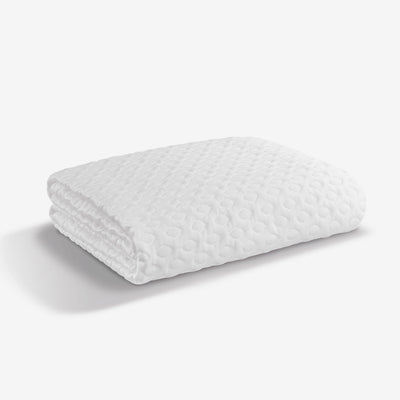
Think of a mattress protector as the best insurance policy for your new bed. It’s a simple, affordable way to safeguard your investment and extend its lifespan significantly. A good protector shields your mattress from the things you can’t always control—accidental spills, dust mites, allergens, and everyday wear and tear. Not only does this keep your sleep surface clean and hygienic, but it’s also often required to keep your mattress warranty valid. For just a small additional cost, a quality mattress protector ensures that your affordable mattress stays in great condition for years, making it an even smarter purchase in the long run.
Is That Warranty Too Good to Be True?
A warranty is a manufacturer's promise to stand behind their product, and it’s a great indicator of quality. Many excellent affordable mattresses come with a standard 10-year warranty. Be wary of warranties that are unusually short or lifetime warranties on very low-priced mattresses that seem too good to be true. The real red flag is in the fine print. Read the details to see what’s actually covered, like how much sagging is required for a claim. A transparent and fair warranty shows a company’s confidence in its product’s durability.
No Sleep Trial? No Deal.
This is a simple but crucial rule. It can take your body weeks to adjust to a new sleep surface, so testing a mattress in a showroom isn't enough. Reputable brands, including quality affordable ones like Helix Mattress, offer a sleep trial of at least 100 nights. This lets you sleep on the mattress at home and decide if it’s the right fit. If a company doesn’t offer a sleep trial or has a complicated return policy, it’s a major red flag. It suggests they aren’t confident you’ll be happy with your purchase.
Your Smart Shopping Checklist
You’ve done the research, compared the types, and narrowed down your options. Now it’s time to make a confident choice. This final checklist will help you verify that the affordable mattress you’re considering is a smart investment in your sleep. Think of it as your last line of defense against buyer’s remorse. A great price is only a great deal if the mattress actually delivers the comfort and support you need for years to come.
By focusing on three key areas, the sleep trial, safety certifications, and customer reviews, you can move forward with peace of mind. These elements separate the genuinely good values from the mattresses that are just cheap. A generous trial period shows a company stands behind its product. Safety certifications prove the materials are healthy for you and your family. And learning how to read customer reviews gives you real-world insight you can’t find anywhere else. When you visit us in Richmond, Katy, or Rosenberg, our team can walk you through these details for any of our mattresses, but this guide will give you the tools to be a savvy shopper anywhere.
How to Make the Most of Your Sleep Trial
A sleep trial is one of the best indicators of a quality mattress. Many reputable brands offer trial periods ranging from 100 to 365 nights, giving you plenty of time to decide if a bed is right for you. This is your opportunity to make sure the mattress meets your comfort and support needs in your own home. It can take your body a few weeks to adjust to a new sleep surface, so don't make a snap judgment after one night. Use the mattress as you normally would and pay attention to how you feel when you wake up. A good sleep trial gives you the confidence to invest without the risk.
Tips for Extending the Life of Your Mattress
Once you’ve found the perfect affordable mattress, you’ll want to make sure it lasts as long as possible. Protecting your investment is easier than you think and starts with a few simple habits. The single most effective thing you can do is use a quality mattress protector from day one to shield it from spills, dust, and allergens that can degrade the materials. It’s also a great idea to rotate your mattress 180 degrees every few months to ensure it wears evenly and prevent premature sagging. Regularly vacuuming the surface helps keep it fresh, and as tempting as it might be, avoid jumping on the bed to protect its internal structure. These small steps will go a long way in preserving the comfort and support of your new bed for years to come.
Why Safety Certifications Matter
The materials in your mattress matter for your health and the air quality in your home. Look for safety certifications to ensure your bed is free from harmful chemicals and made with quality components. For foam mattresses, a CertiPUR-US certification is the standard. It means the foam was made without ozone depleters, heavy metals, or prohibited phthalates. If you have allergies, look for hypoallergenic materials that can help prevent sleep disruptions. These certifications are a clear sign that the manufacturer has invested in creating a safe and durable product. Using a quality mattress protector can also help keep your sleep environment clean and healthy.
How to Actually Use Customer Reviews
Customer reviews are a goldmine of information, but you have to know how to read them. Don’t just glance at the star rating. Instead, look for trends and detailed comments. Are multiple people mentioning that the mattress started to sag after a year? Or are sleepers with similar body types and sleep positions raving about the comfort? Look for reviews that describe the mattress's performance over time, not just initial impressions. This kind of detailed analysis helps you understand the long-term comfort and durability of a mattress far better than a simple star average ever could.
Look for Expert Testing and Ratings
While personal reviews are incredibly helpful, expert ratings offer a different kind of insight. Independent reviewers put mattresses through a series of standardized tests to measure performance in key areas like durability, spinal alignment, and pressure relief. This is where you can see how an affordable mattress stacks up against pricier models in objective tests. These unbiased ratings can help you cut through the marketing hype and see how a bed actually performs. When you see a mattress consistently earning high marks from trusted sources, it’s a strong signal that you’re looking at a quality product. Reputable sites often provide detailed breakdowns that can confirm the quality of a mattress you're considering, giving you one more tool to feel confident in your choice.
Related Articles
- How Much Is a Mattress: A Comprehensive Guide to Mattress Pricing
- Mattress Price Explained: What to Expect in 2026
- 8 Best Affordable Queen Mattresses of 2025
Frequently Asked Questions
What am I actually giving up by choosing a more affordable mattress? Honestly, you might be giving up less than you think. A great affordable mattress will still have the essentials: a solid support system and comfortable pressure-relieving layers. The main differences are often in the extra features. Premium mattresses might have more advanced cooling technologies, thicker comfort layers, or organic materials. But a well-made budget mattress provides the durable, supportive sleep surface you need without the luxury price tag.
How can I make sure a budget-friendly mattress is actually good quality? Look for the promises a company makes. A manufacturer that is confident in its product will offer a sleep trial of at least 100 nights and a warranty of at least 10 years. These two policies are your best indicators of quality. They show that the company stands behind its materials and construction, giving you a safety net and protecting your investment for years to come.
Is it better to buy from a local store or an online brand? Both have their perks, but you can get the best of both worlds. Online brands often have great prices, but you can't test the mattress first. Shopping at a local store in Katy, Richmond, or Rosenberg lets you feel the mattress and get expert advice. We bridge that gap by carrying top online brands like Helix in our showroom, so you can try them in person before you buy and still get a fantastic value.
What's the most important thing to consider for my specific sleeping position? It all comes down to spinal alignment. If you're a side sleeper, you need a softer surface that cushions your shoulders and hips. Back sleepers should look for a medium-firm feel that supports the natural curve of their spine. If you sleep on your stomach, you need a firmer mattress to keep your hips from sinking and putting strain on your back.
How long should I expect an affordable mattress to last? You should plan to replace any mattress every seven to ten years, and a quality affordable mattress can easily last that long. Its lifespan depends on the quality of the materials and how well you care for it. Using a mattress protector is a simple way to shield it from spills and allergens, which helps preserve the materials and extend the life of your bed.