






 Hybrid
 Individual Pocketed Coil
 Foam
Foam Open Coil
 Latex
Latex


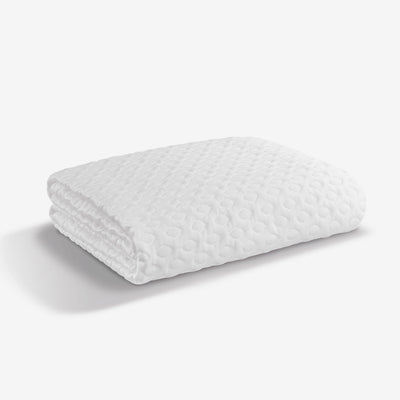


Have you been told that a firmer mattress always equals better support? For many people, especially those with a lighter frame, that’s simply not true. Real support isn’t about hardness—it’s about maintaining healthy spinal alignment. If a mattress is too firm, it won’t give enough to cradle your body, forcing your spine into an unnatural curve. You end up sleeping on the bed, not in it. This guide cuts through the noise to show you what a mattress lightweight sleepers truly need. We'll explore why softer options often provide superior comfort and support for your body type.
Key Takeaways
- Softer Is Usually Better: As a lightweight sleeper, you don't sink into firm mattresses enough to get proper cushioning. Look for a mattress on the softer side (a 3 to 6 on a 10-point scale) to get the pressure relief you need for your shoulders and hips.
- Choose Materials for Your Preferred Feel: The material dictates the mattress's personality. Memory foam offers a deep, cradling hug, latex provides a responsive and bouncy feel, and a hybrid gives you a balanced blend of both contouring foam and supportive coils.
- Match Firmness to Your Sleep Position: Your ideal mattress also depends on how you sleep. Side sleepers need the most cushioning to protect their joints, while back and stomach sleepers require a slightly firmer surface to keep their spine properly aligned.
How to Find the Right Mattress as a Lightweight Sleeper
If you're a lightweight sleeper, you've probably had this thought: a mattress everyone else loves feels like a rock to you. It’s not your imagination. Your body weight is a huge factor in how a mattress feels, and most are designed for heavier people. For sleepers under 130 pounds, finding the right bed means looking for something different. Your goal is a mattress that's soft enough to cushion your body but supportive enough to keep your spine aligned. A mattress that’s too firm creates pressure points at your shoulders and hips, while one that's too soft lets your spine sag. The right one will offer a gentle cradle that relieves pressure all night long.
Focus on These Mattress Features
The most important feature for lightweight sleepers is pressure relief. Since you don't sink into a mattress as much, you need a softer surface that can conform to your body's curves. This is especially crucial for side sleepers, whose hips and shoulders press into the bed. Look for mattresses with a firmness rating between 3 and 6 on a 10-point scale. This softer feel allows the mattress to properly cushion your joints, preventing you from waking up with aches and pains.
Why Your Weight Matters When Choosing a Mattress
Most mattresses are designed with an "average" sleeper in mind, usually someone over 150 pounds. A lightweight person doesn't exert enough pressure to fully engage the comfort layers, making the bed feel much firmer than intended. You end up sleeping on the mattress instead of in it, which prevents proper contouring for your spine. That's why brands like the Helix Mattress, which offer a range of firmness levels, are great for finding a more customized fit that works for your body.
Firm vs. Supportive: What's the Real Difference?
A common myth is that a firm mattress is always more supportive. For lightweight sleepers, this isn't true. Support is about maintaining proper spinal alignment, not hardness. A mattress that's too firm for you will create painful pressure points instead of relief. The right mattress will be soft enough to let your shoulders and hips sink in just enough for your spine to rest in a natural line. You can also pair your mattress with an adjustable base to fine-tune your position for perfect support.
How Does Firmness Affect Lightweight Sleepers?
If you're a lightweight sleeper, you've probably laid on a "medium-firm" mattress and thought it felt more like a plank of wood. You're not imagining it. How firm a mattress feels is directly related to your body weight, and understanding this relationship is the key to finding a bed that actually feels comfortable. Most mattresses are built with the "average" sleeper in mind, which means if you weigh 130 pounds or less, your experience will be totally different. Let's get into what firmness really means for you and how to choose the right level for a great night's sleep.
What Is the Mattress Firmness Scale?
When you see mattress firmness described, it’s usually on a 1-to-10 scale. A 1 is incredibly soft (like sinking into a cloud), while a 10 is as firm as it gets. Most mattresses on the market fall somewhere between a 3 and an 8. Because manufacturers often target average-weight sleepers (around 130 to 230 pounds), their "medium" (about a 5-7 on the scale) is calibrated for that group. For a lightweight person, that same mattress can feel much firmer because you don't have enough body weight to sink in and experience the cushioning layers as they were designed.
Why a Softer Mattress Might Be Your Best Bet
For sleepers under 130 pounds, a softer mattress is usually the way to go. It’s all about pressure relief. Since you don't sink as deeply into the mattress surface, a firm bed can push back against your body, creating uncomfortable pressure points at your shoulders and hips. A softer surface, on the other hand, will contour to your frame, providing gentle cushioning and support right where you need it. This allows your muscles to relax fully, which is essential for restorative sleep. Brands like the Helix Mattress line offer various models specifically designed with softer feels for this very reason.
Match Your Firmness to How You Sleep
Your ideal firmness also depends heavily on how you sleep. While softer is generally better for lightweight sleepers, your primary sleep position adds another layer to consider.
- Side sleepers need the most cushioning. A soft to medium-soft mattress will allow your shoulders and hips to sink in just enough to keep your spine aligned.
- Back sleepers need a balance of contouring and support. A medium-soft option often works well, as it supports the natural curve of your spine without creating pressure points.
- Stomach sleepers should be careful with beds that are too soft, as this can cause the hips to sink and throw the spine out of alignment. A medium-soft to medium mattress is often the best fit.
According to sleep experts, finding the right mattress for your body type and sleep position is crucial for preventing aches and pains.
What Are the Best Mattress Materials for Lightweight Sleepers?
The material of your mattress is just as important as its firmness level. The right materials will contour to your body, support your spine, and keep you comfortable all night long. For lightweight sleepers, some materials perform much better than others, offering the pressure relief you need without feeling like you’re sleeping on a board. Let’s look at the most common options and see how they stack up. Understanding the difference between memory foam, latex, and hybrid constructions will help you find the perfect match for your sleep style and comfort preferences. Each material offers a unique feel, and knowing what to expect can make your decision much easier.
Memory Foam: Gentle Cradling and Pressure Relief
If you love the feeling of being hugged by your bed, memory foam is for you. This material is famous for its deep contouring, which cradles your body and provides exceptional pressure relief, especially around the shoulders and hips. For lightweight sleepers, this means the mattress can conform to your shape without needing a lot of weight to activate it. Memory foam is also fantastic at motion isolation. If you share a bed, you won’t feel your partner tossing and turning. When you’re exploring different mattresses, look for memory foam options that balance softness with enough support to keep your spine aligned.
Latex: Responsive Support with a Bit of Bounce
Latex offers a completely different feel from memory foam. Instead of sinking in, you’ll feel more like you’re sleeping on the mattress. It’s known for being responsive and durable, with a bouncy feel that makes it easy to change positions. This is a huge plus for combination sleepers who don’t want to feel stuck in one spot. Latex is also naturally breathable, which helps regulate temperature throughout the night. It provides gentle contouring for pressure relief but with a quicker response time, so you get support the moment you lie down. It’s a great choice if you want pressure relief without that slow-sinking feeling.
Hybrid Mattresses: The Perfect Blend of Comfort and Support
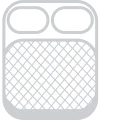
Can’t decide between foam and springs? A hybrid mattress gives you the benefits of both. Hybrids combine comfort layers of memory foam or latex with a supportive core of innerspring coils. This construction offers a fantastic mix of cushioning and sturdy support. For lightweight sleepers, the foam layers provide the contouring you need for pressure relief, while the coils add responsiveness and promote airflow to keep you cool. Many modern hybrids, like the popular Helix Mattress, use individually wrapped coils. This feature is key for minimizing motion transfer, so you get the bounce of springs without disturbing your partner.
Are Hybrids Too Firm for Lightweight Sleepers?
It’s a fair question, but the answer isn't a simple yes or no. The firmness of a hybrid mattress depends entirely on its construction, not just the fact that it has coils. For lightweight sleepers, the secret lies in the comfort layers. A well-designed hybrid with thick, soft layers of memory foam or latex on top can provide incredible pressure relief, contouring to your shoulders and hips just right. The coil system below offers that essential support and a bit of responsive bounce, but it’s the plush top layers that ensure the mattress doesn't feel too firm. When you're shopping, focus on hybrid mattresses that are specifically rated as soft or medium-soft to get that perfect balance.
Don't Sleep Hot: Prioritize Breathable Materials
Feeling hot and stuffy at night can ruin your sleep, no matter your body weight. While traditional memory foam has a reputation for trapping heat, many modern mattresses incorporate cooling technology to solve this problem. Look for features like gel-infused or copper-infused foam, which draw heat away from your body. Naturally breathable materials like latex also help with temperature regulation. The coil systems in hybrid mattresses are another big advantage, as they allow for plenty of airflow. Pairing your mattress with breathable bedding can also make a huge difference in creating a cool and comfortable sleep environment.
How We Selected the Best Mattresses for Lightweight Sleepers
Choosing the right mattress can feel overwhelming, but we've done the heavy lifting for you. Our recommendations aren't random; they're the result of a careful evaluation process designed specifically for lightweight sleepers. We focused on the features that truly matter for your body type, moving beyond marketing hype to identify beds that deliver genuine comfort and support. We understand that what works for an average-weight person often feels too firm for someone with a lighter frame. Here’s a look at the criteria we used to make our selections, ensuring you find a mattress that feels like it was made just for you.
Our Evaluation Criteria
To find the best mattresses, we zeroed in on key performance areas that are critical for sleepers under 130 pounds. It’s not just about how a mattress feels for a minute in a showroom, but how it performs night after night. We looked at how well each bed balances gentle cushioning with the support needed for healthy sleep posture. Our goal is to guide you toward a mattress that provides lasting comfort, so you can stop compromising on your sleep quality. These criteria form the foundation of our recommendations for a truly restorative sleep experience.
Pressure Relief and Support
The most important feature for lightweight sleepers is pressure relief. Since you don't sink into a mattress as much, you need a softer surface that can conform to your body's curves, especially if you're a side sleeper. A mattress that’s too firm will create painful pressure points at your hips and shoulders instead of cradling them. We prioritized mattresses that offer a softer feel, allowing your body to sink in just enough to maintain natural spinal alignment. This ensures you get true support, which is about posture, not hardness, so you can wake up feeling refreshed and pain-free.
Cooling and Edge Support
A great mattress should also keep you comfortable in other ways. We know that sleeping hot is a common complaint, so we looked for models with excellent temperature regulation. This includes features like gel-infused foams that pull heat away from your body, as well as naturally breathable materials like latex. We also considered edge support—a sturdy perimeter that lets you use the entire surface of the bed without feeling like you might roll off. Strong edges make getting in and out of bed easier and provide a stable surface for sitting. Paired with the right bedding, these features create a truly restful sleep environment.
Expert Insights and Testing Methods
Our selections are backed by extensive research and expert analysis. We considered findings from sleep specialists who have reviewed thousands of mattresses, specifically looking for models with a medium firmness or softer. These experts prioritize beds that excel in pressure relief and are made from high-quality materials. At Mattress on Demand, we apply this same rigorous approach when helping our customers in Katy, Richmond, and Rosenberg. We combine these expert insights with our own hands-on experience to help you find the right mattress that fits your unique needs and preferences.
Our Top Mattress Recommendations for Lightweight Sleepers
Finding the right mattress can feel like a huge task, but we've narrowed down some of the best options specifically for lightweight sleepers. These picks are known for providing the right blend of contouring and support without feeling too firm. Whether you're a side sleeper needing pressure relief or a back sleeper who needs gentle spinal alignment, there's a great fit for you. We carry a wide range of mattresses at our stores in Richmond, Katy, and Rosenberg, and these are a few of our favorites.
Helix Sunset
The Helix Sunset is a fantastic choice if you love a soft, cloud-like feel. It’s designed with plush memory foam that gently cradles your joints, making it a dream for side sleepers and anyone dealing with hip or shoulder pain. Because it’s on the softer side (about a 3 out of 10 on the firmness scale), it allows lighter individuals to sink in just enough to get that body-hugging comfort and pressure relief. If you weigh under 130 pounds and want a mattress that feels like a cozy embrace, the Sunset is definitely one to consider.
Nectar Mattress
If you're looking for incredible value without sacrificing quality, the Nectar Mattress is a top contender. This all-foam mattress is a great pick for couples because its dense foam layers are excellent at absorbing motion, so you won’t feel your partner tossing and turning. It also does a great job of providing pressure relief, which is especially important for side sleepers. The gel-infused memory foam helps pull heat away from your body, making it a comfortable and cool option for a restful night's sleep.
Why We Like It
The Nectar mattress is a crowd-pleaser for a reason. Its all-foam design provides that classic memory foam hug, contouring closely to your body to relieve pressure on your hips and shoulders. This is a huge win for lightweight sleepers, as the foam adapts to your frame without needing a lot of weight to activate its cushioning properties. It also excels at motion isolation, making it an ideal choice if you share your bed and don't want to be disturbed by a restless partner. The gel-infused memory foam is a thoughtful touch, working to dissipate heat and keep you from overheating, which can be a common issue with traditional foam beds.
Potential Considerations
While the Nectar's memory foam offers excellent pressure relief, its medium-firm feel might be a bit too solid for strictly side sleepers with very light frames who prefer a plusher surface. The deep, sinking feeling of memory foam is fantastic for those who love to feel cradled, but if you're a combination sleeper who changes positions frequently, you might find it slightly less responsive than a latex or hybrid model. If you want a bouncier feel that makes it easier to move around, you might prefer a hybrid like the Helix Mattress, which combines foam with supportive coils for a more balanced and responsive experience.
Saatva Rx Mattress
For lightweight sleepers who struggle with chronic joint pain or conditions like arthritis, the Saatva Rx is engineered to provide targeted relief. This luxury hybrid mattress is specifically designed to support your body while easing pressure on sensitive areas. It combines foam layers with a supportive coil system to deliver a balanced feel that soothes aches and pains. While it’s a premium option, its thoughtful construction offers a level of comfort and support that can make a real difference in your sleep quality, particularly for side sleepers who need extra cushioning.
A Few More Mattresses to Consider
Beyond our top three, there are other excellent mattresses worth exploring. The DreamCloud Original offers a balanced, plush feel with sturdy support from its hybrid design, making it a versatile choice. For those who change positions throughout the night, the Brooklyn Bedding Signature Hybrid provides a responsive surface that makes it easy to move around. Finding the perfect fit is all about matching a mattress's features to your personal sleep style and comfort preferences.
Nolah Evolution
The Nolah Evolution is another excellent hybrid that really shines for lightweight sleepers. It comes in a medium (5) firmness that provides a comfortable balance of softness and support. For those with a lighter frame, this mattress allows for a gentle sink, which is key for pressure relief. According to sleep experts, its medium firmness is particularly comfortable for lightweight side and back sleepers, letting them sink in just enough to feel cushioned without sacrificing support. If you're looking for a bed that contours to your body and eases pressure on your joints, the Nolah Evolution offers a plush, supportive surface that helps you wake up refreshed and pain-free.
Bear Elite Hybrid
If you want a mattress that feels like it was made just for you, the Bear Elite Hybrid is a strong contender. Its medium (5) firmness option is designed to contour closely to your body, which is a huge benefit for lightweight sleepers who need targeted support. This close contouring helps relieve pressure in sensitive areas like the shoulders, lower back, and hips. The Bear Elite Hybrid is also great at isolating motion, so if you share your bed, you’re less likely to be disturbed by a restless partner. It’s a fantastic choice for achieving that perfect blend of body-hugging comfort and stable support.
WinkBed
The WinkBed stands out because it offers multiple firmness levels, giving you the power to choose what works best for your body. For lightweight sleepers, the softer options are where this mattress truly excels. The medium-soft (4) and medium-firm (6) versions are particularly great for those with back pain, as they provide significant pressure relief without feeling unsupportive. The WinkBed also features strong edge support, which means you can use the entire surface of the bed, and it’s designed to stay cool throughout the night. Having these options makes it much easier to find a mattress that feels customized to your needs.
Saatva Classic
The Saatva Classic is a versatile innerspring mattress that caters to a wide range of sleep preferences, thanks to its different firmness levels. For lightweight sleepers, the soft (3) option is ideal for side sleepers who need maximum cushioning for their hips and shoulders. If you tend to sleep on your back or stomach, the luxury firm (6) model offers a bit more support to keep your spine properly aligned. As a bonus, the Saatva Classic is known for being very breathable and durable, so it’s a long-lasting investment in your sleep quality. This flexibility makes it a reliable choice for finding your perfect fit.
Find the Best Mattress for How You Sleep
How you sleep is just as important as your body weight when choosing a mattress. Your preferred position determines where your body puts the most pressure on the bed and where you need the most support to keep your spine happy. For lightweight sleepers, finding this balance is key. A mattress that’s perfect for a side sleeper might feel all wrong for someone who sleeps on their back. The goal is to find a surface that contours to your body’s natural curves without letting your spine fall out of alignment.
Think of it this way: your mattress should work with your body, not against it. When you lie down, you want to feel supported and cushioned at the same time. This is why there’s no single "best" mattress for everyone. It all comes down to your unique needs. By understanding what each sleep position requires, you can narrow down your options and find the perfect match from our collection of high-quality mattresses. Let’s break down what to look for based on how you spend your nights.
Side Sleepers: Cushion Your Hips and Shoulders
If you’re a side sleeper, your hips and shoulders are the main points of contact with the mattress. On a bed that’s too firm, these areas can feel sore and jammed up by morning. As a lightweight person, you need a softer surface that allows you to sink in just enough for pressure relief. A soft to medium-soft mattress, often made with memory foam or a plush hybrid construction, will contour to your body’s curves. This cradling effect helps keep your spine straight while you sleep, preventing aches and pains. The Helix Sunset mattress is a great example of a design that offers this kind of plush, body-hugging comfort.
Back Sleepers: Keep Your Spine Supported
Back sleepers have it a bit easier since their weight is more evenly distributed. The main goal here is maintaining the natural S-curve of your spine. A mattress that’s too soft will let your hips sink too low, creating an uncomfortable arch in your lower back. One that’s too firm won’t have enough give to support your lumbar region. For lightweight back sleepers, a medium-firm mattress usually hits the sweet spot. It provides solid support to keep your spine aligned while still offering a layer of comfort. Look for materials that provide a balance of support and contouring, like latex or hybrid models.
Stomach Sleepers: Prevent Your Hips from Sinking
Sleeping on your stomach can put a lot of strain on your neck and spine. The biggest risk is your midsection sinking into the mattress, which throws your spine out of alignment and can lead to significant back pain. To prevent this, you need a firmer surface that keeps your hips level with your shoulders. Lightweight stomach sleepers should look for a medium-firm to firm mattress. This provides the necessary support to keep your body on an even plane. Pairing your mattress with one of our supportive pillows can also help keep your head and neck in a more neutral position.
Combination Sleepers: Look for a Responsive Feel
Do you toss and turn all night, switching from your side to your back to your stomach? If so, you’re a combination sleeper, and you need a mattress that can keep up. The best fit is a responsive bed that makes it easy to change positions without feeling stuck. Hybrid mattresses are often the top choice here. The coil base provides a bit of bounce for easy movement, while the foam comfort layers offer cushioning and pressure relief no matter how you land. A medium firmness is typically a safe bet, as it’s versatile enough to accommodate multiple sleeping styles.
Which Special Mattress Features Actually Matter?
Once you’ve narrowed down your preferred firmness and material, it’s time to look at the details that turn a good mattress into a great one. For lightweight sleepers, certain features can make a world of difference in comfort, support, and durability. These aren't just marketing buzzwords; they are specific technologies designed to solve common sleep problems. Paying attention to these special features ensures you get a mattress that truly caters to your body type and sleep style, helping you get the restorative rest you deserve.
How Wrapped Coils Provide Personalized Support
If you’re leaning toward a hybrid mattress, look for one with individually wrapped coils. Unlike traditional innerspring systems where coils are interconnected, these are each tucked into their own fabric pocket. This design allows each coil to move independently, which is a game-changer for lightweight sleepers. It means the mattress can contour precisely to your body’s curves, offering support exactly where you need it. This technology also excels at preventing motion transfer, so if you share your bed, you won’t feel every toss and turn from your partner. Brands like Helix build their mattresses with this targeted support system in mind.
Don't Roll Off: The Importance of Edge Support
Ever sit on the side of a bed and feel like you’re about to slide right off? That’s a sign of weak edge support. Good edge support reinforces the perimeter of the mattress, creating a stable and usable surface from one side to the other. For lightweight sleepers, this is especially important because it prevents sagging over time and gives you more room to spread out. A sturdy edge means you can sleep comfortably near the side without feeling like you’ll roll off, which effectively increases the functional size of your bed. It also provides a solid seat for when you’re getting ready in the morning.
Sleep Undisturbed with Good Motion Isolation
Motion isolation is a must-have feature for anyone who shares a bed, but it’s particularly crucial for light sleepers who are easily disturbed. Mattresses with excellent motion isolation absorb movement, so when your partner gets up or changes position, the motion stays on their side of the bed. Memory foam is famous for this, but many modern hybrid mattresses also perform incredibly well. By minimizing these disturbances, a mattress with good motion isolation helps you stay in a deep, restful sleep throughout the night, so you can wake up feeling refreshed instead of interrupted.
Adaptive Foam for a Custom-Feeling Fit
Lightweight sleepers don’t put as much pressure on a mattress, which means some materials can feel too rigid. Adaptive foams, whether memory foam or a proprietary blend, are designed to respond to your body’s unique shape and weight. For lighter individuals, this means the foam will be soft enough to cushion sensitive pressure points like your hips and shoulders, which is key for preventing aches and pains. Unlike old-school foams that could make you feel stuck, modern adaptive materials offer that "just right" contouring comfort while still allowing you to move around easily.
A Note on Zoned Support for Lightweight Sleepers
You might see mattresses advertised with “zoned support,” where different areas have varying firmness levels to improve spinal alignment. While this sounds smart, it often doesn't work for lightweight sleepers. These zones are usually designed for an average-weight person, so if you're on the lighter side, you won't sink in enough to feel the benefits. Instead, you'll just feel the firmest parts, which can create pressure points at your shoulders and hips. It's better to look for a mattress with a consistent, softer feel—usually a 3 to 6 on the firmness scale. This allows the surface to conform to your body, providing a gentle cradle that relieves pressure while keeping your spine naturally aligned.
What Common Problems Do Lightweight Sleepers Face?
If you have a lighter frame, you might have noticed that many mattresses just don’t feel right. It’s not your imagination. Many common sleep issues, from stiffness to overheating, can be traced back to a mattress that isn’t a good match for your body type. Understanding these challenges is the first step toward finding a bed that gives you the deep, restorative sleep you deserve. Let's walk through some of the most frequent problems lightweight sleepers encounter and how to solve them.
The "This Bed Feels Like a Rock" Problem
Have you ever laid down on a new mattress and felt like you were resting on a board instead of a bed? This is a classic issue for lightweight sleepers. Most mattresses are designed and tested for average-weight individuals, so a "medium-firm" feel for them can feel extra-firm to you. Because you don't weigh enough to sink into the comfort layers, you end up lying on top of the dense support core. This prevents the mattress from contouring to your body, creating uncomfortable pressure points, especially at your shoulders and hips.
Waking Up with Aches and Pains
That stiff, achy feeling in the morning is often a direct result of a mattress that's too firm. When your bed doesn't have enough give, it can’t properly support the natural curve of your spine. Instead of cradling your body, it forces it into an unnatural position, leading to strain on your back, neck, and joints. The right mattress should allow your hips and shoulders to sink in just enough to keep your spine straight. Finding the perfect fit from a quality selection of mattresses is key to waking up feeling refreshed and pain-free.
Overheating at Night? Your Mattress Could Be the Cause
Sleeping hot is a problem for people of all sizes, and lightweight sleepers are no exception. Some materials, especially traditional memory foams, are known for trapping body heat. While you may not sink as deeply into the mattress, a bed without breathable materials or cooling technology can still leave you feeling warm and uncomfortable through the night. This can disrupt your sleep cycle and prevent you from getting the deep rest you need. A Helix Mattress, for example, often includes features designed specifically to promote airflow and keep you cool.
How to Find a Mattress That Solves These Issues
The solution to these problems is finding a mattress that offers top-notch pressure relief without sacrificing support. For lightweight sleepers, this usually means looking for a mattress on the softer side of the spectrum, typically between a 3 and a 6 on the 1-to-10 firmness scale. A softer surface will allow your body to gently sink in, cushioning your joints and keeping your spine aligned. Pairing your ideal mattress with an adjustable base can also provide personalized support and comfort, helping you find the perfect position for a great night's sleep.
How Do You Choose the Right Firmness?
Finding the right firmness is a crucial part of buying a new mattress. It’s about balancing a surface that cushions your body with one that provides proper support. For lightweight sleepers, getting this right is especially important. A mattress that’s too firm won’t contour to your body, leading to pressure points, while one that’s too soft might not offer enough support for your spine. This guide will help you understand what to look for so you can confidently choose a mattress that feels perfect for you.
Listen to Your Body: Trust Your Comfort
While firmness is subjective, your body weight is a reliable guide. According to the Sleep Foundation, "Lightweight sleepers (adults 130 pounds or less) need a softer mattress." This is because you don't place as much pressure on the mattress, so you won't sink in as deeply as a heavier person. A softer surface allows your shoulders and hips to be properly cushioned, which is key for pressure relief and spinal alignment. Your ideal match is likely in the soft to medium-soft range. You can explore our wide selection of mattresses to compare different feels.
The Best Way to Test a Mattress: In-Store or At Home?
You can read reviews all day, but you won’t know if a mattress is right for you until you lie on it. If you live near Richmond, Katy, or Rosenberg, we invite you to visit our store to feel the difference firsthand. However, a few minutes in a showroom is just a snapshot. The real test comes from sleeping on it for several nights. As the Sleep Foundation notes, many brands offer generous trial periods so you can truly experience the mattress at home. This gives your body time to adjust and helps you make a confident decision.
Does Mattress Thickness Really Matter?
Yes, it absolutely does. A mattress’s thickness is a good indicator of its comfort and durability. A thicker profile usually means more comfort and support layers. For lightweight sleepers, the top comfort layers are particularly important. As noted by Mattress Clarity, "A thick, plush top layer is essential for preventing pressure points on shoulders and hips." This layer provides the initial cushioning your body needs. Without a substantial comfort layer, even a supportive mattress will feel too firm. This is why hybrid mattresses, which combine supportive coils with plush foam layers, are often an excellent option.
Mattress Shopping in Richmond, Katy, and Rosenberg
Shopping for a new mattress can feel like a big decision, but if you live in the Richmond, Katy, or Rosenberg area, you have the advantage of being able to test them out in person. Nothing beats the experience of actually lying down on a mattress to see how it feels. When you visit our showroom, you can compare different models side-by-side and get expert advice tailored to your specific needs as a lightweight sleeper. Coming prepared with a little knowledge will help you make the most of your visit and find a bed that gives you incredible sleep for years to come. We’re here to make the process simple and stress-free, so you can focus on what really matters: finding the perfect match for your comfort.
Your In-Store Mattress Testing Checklist
When you start shopping, it’s helpful to know what to look for. As a lightweight sleeper (typically under 130 pounds), you’ll want to focus on mattresses that offer more cushioning. Lighter individuals don’t sink into a mattress as deeply, so a bed that’s too firm won’t contour to your body properly and can lead to pressure points. Instead, look for options with a balanced, softer feel that allows your shoulders and hips to sink in just enough for proper alignment. Don’t hesitate to spend a few minutes on each mattress in your preferred sleeping position to get a true sense of its comfort and support.
Don't Buy Without Asking These Questions
To narrow down your options, it helps to have a few key questions ready. A great one to start with is, "What firmness level is best for a lightweight sleeper?" Generally, a mattress that scores between a 3 and a 6 on a 10-point firmness scale is the sweet spot. This range provides the softness needed for pressure relief without sacrificing essential support. You can also ask our team to point you toward specific models in that range, like a Helix Mattress, which is known for its personalized comfort. Being specific about your needs helps us guide you to the perfect fit faster.
Decoding the Fine Print: Sleep Trials and Warranties
Your peace of mind is important, so always ask about the sleep trial and warranty before you buy. Many brands offer generous trial periods, often between 120 and 365 nights, giving you plenty of time to ensure the mattress is right for you at home. It's also smart to ask if there are any return fees, just so you have all the information upfront. A solid warranty, which typically lasts 10 years or even a lifetime, protects your investment for the long haul. And remember, using a quality mattress protector is one of the best ways to keep your new bed in great condition and your warranty valid.
Exploring Alternative Mattress Solutions
Even after trying out dozens of beds, you might feel like Goldilocks—nothing is quite right. This is a common feeling for lightweight sleepers because your needs for pressure relief are so specific. A mattress might be close, but maybe the comfort layer isn't thick enough, or the support core feels just a bit too firm. This is where thinking outside the box can be really helpful. Instead of settling for a mattress that's just "good enough," you can explore solutions that offer a more tailored feel. This approach puts you in the driver's seat, ensuring every component of your sleep system is designed for your body.
One of these alternative paths is the DIY mattress. This doesn't mean sewing a bed from scratch in your garage. It's about sourcing individual layers of foam or latex and stacking them to create a custom sleep surface. This method has gained popularity because it offers ultimate control over firmness, materials, and feel. While it requires more research, it can be a rewarding path for anyone who hasn't found their perfect match in a traditional showroom. Understanding how these layers work together can also give you a deeper appreciation for the construction of expertly designed mattresses, making you a more informed shopper no matter which route you choose.
The DIY Mattress Approach
The DIY mattress approach involves buying separate layers of foam or latex and stacking them inside a mattress cover to build your own bed. This gives you complete control over your sleep experience. For a lightweight sleeper, this is a huge advantage. You can create a mattress with an extra-plush comfort layer for deep pressure relief while still having a supportive base underneath. For example, a popular build for a lightweight side sleeper might involve a 3-inch layer of soft latex or memory foam on top of a slightly firmer support core. As some sleep enthusiasts have found, this method can also be cost-effective, allowing you to build a high-quality, customized mattress for a fraction of the price of some luxury brands. It takes some homework, but the result can be a bed that feels like it was made just for you.
Related Articles
Frequently Asked Questions
Why does a mattress feel so different to me than to my heavier partner? How firm a mattress feels is directly related to body weight. Most mattresses are designed with an "average" person in mind, so someone who is heavier will sink into the comfort layers and experience the intended cushioning. As a lightweight person, you don't exert enough pressure to engage those layers in the same way, which makes the exact same bed feel much firmer to you.
Will a softer mattress provide enough support to prevent back pain? Yes, absolutely. It's a common myth that firmness equals support, but they are two different things. Support is all about keeping your spine in a neutral, straight line. For a lightweight sleeper, a mattress that's too firm will create pressure points at your shoulders and hips, forcing your spine out of alignment. A softer mattress allows your body to sink in just enough to relieve that pressure and maintain proper alignment, which is the key to preventing back pain.
How can I tell if my current mattress is too firm for me? A few telltale signs are waking up with stiffness or aches in your shoulders, hips, or lower back. You might also feel like you're sleeping on top of your bed rather than being gently cradled by it. If you lie on your side and feel a gap between your waist and the mattress, or if you feel pressure building up in your joints throughout the night, your mattress is likely too firm for your body type.
I sleep on my stomach. Should I still look for a softer mattress? This is a great question because stomach sleeping is the one exception. While you still need pressure relief, the main priority for stomach sleepers is keeping your hips from sinking too low, which can strain your spine. A mattress that is too soft can cause this misalignment. Lightweight stomach sleepers should look for a medium-soft to medium mattress that provides enough cushioning for comfort but is still firm enough to keep your hips and shoulders level.
Besides firmness, what's the most important feature for a lightweight sleeper? Pressure relief is the single most important feature. Since you don't sink into a mattress very deeply, you need materials that can actively contour to your body's curves to prevent pressure points. Look for mattresses with thick comfort layers made from materials like memory foam or latex. These materials are designed to cradle your body, providing that essential cushioning for your joints.


