




 Hybrid
 Individual Pocketed Coil
 Foam
Foam Open Coil
 Latex
Latex




You might think firmness is the most important factor when choosing a mattress, but for a combination sleeper, there’s a quality that matters even more: responsiveness. This is how quickly a mattress springs back and adapts when you change positions. If you’ve ever felt stuck in memory foam, you know exactly what a lack of responsiveness feels like. The ideal mattress for combination sleepers moves with you, providing instant support as you shift from your side to your back. This ensures your spine stays aligned and you don’t have to fight your bed to get comfortable. In our showrooms in Richmond, Katy, and Rosenberg, we help people feel the difference firsthand, guiding them toward options that offer this crucial adaptability.
Key Takeaways
- Combination sleepers need a mattress that adapts quickly as they shift between side, back, and stomach positions throughout the night
- Medium-firm hybrids are generally the best fit because they balance responsiveness with contouring comfort
- Responsiveness — how fast the mattress adjusts when you move — matters more than firmness alone
- Testing a mattress in person is the most reliable way to find the right match for your specific sleep pattern
- Mattress on Demand in Richmond, TX carries top-rated hybrid options ideal for combination sleepers
Are You a Combination Sleeper?
A combination sleeper is someone who regularly changes sleep positions during the night. Instead of staying on their side, back, or stomach, they rotate between two or more positions. This is one of the most common sleep styles — research suggests that most people shift positions at least a few times per night, even if they identify primarily as a side or back sleeper.
Combination sleepers face a unique challenge: their mattress needs to feel comfortable in every position, not just one. A bed that feels great on your side might cause lower back pain when you roll onto your stomach. That's why choosing the right mattress requires looking at responsiveness, firmness range, and material type together.
Why the Right Mattress Matters for Combination Sleepers
When you sleep in only one position, you can optimize for that position's needs — plush pressure relief for side sleeping, or firm support for stomach sleeping. But when you move between positions, you need a mattress that does several things well at once:
- Responds quickly when you change position so you don't feel stuck
- Provides enough cushioning for side sleeping (hips and shoulders)
- Maintains spinal alignment for back and stomach sleeping
- Offers consistent edge support so the entire surface is usable
The wrong mattress for a combination sleeper usually shows up as morning stiffness, numb arms, or lower back aches — signs that the bed is failing at one or more positions.
Finding Your Ideal Mattress Firmness
For most combination sleepers, medium to medium-firm (5–7 on the 10-point firmness scale) is the sweet spot. Here's why:
- Side sleeping needs some plushness to cushion shoulders and hips — too firm and you'll feel pressure points
- Back sleeping needs enough support to keep the spine neutral — too soft and your hips sink
- Stomach sleeping requires firmer support to prevent the midsection from collapsing — too soft and you'll strain your lower back
A medium-firm mattress hits the middle ground where all three positions remain comfortable. If you spend more time on your side, lean slightly softer. If you spend more time on your stomach, lean slightly firmer.
How Body Weight Affects Firmness Needs
While "medium-firm" is a great starting point, your body weight plays a huge role in how a mattress actually feels to you. Think of it like this: a mattress that feels perfectly supportive to a 120-pound person might feel way too soft for a 250-pound person. That’s because a heavier body exerts more pressure, sinking deeper into the mattress layers. The goal is to find a firmness level that allows your body to sink just enough for pressure relief without compromising spinal alignment, no matter which position you land in. Understanding where you fall on the weight spectrum can help you narrow down your options significantly.
Lightweight Sleepers (Under 130 lbs)
If you're a lightweight sleeper, you don't sink into a mattress as much. Because of this, a firm mattress can feel like sleeping on a board, creating uncomfortable pressure points on your shoulders and hips, especially when you’re on your side. You’ll want to look for a softer to medium-soft mattress, somewhere around a 3–5 on the 10-point firmness scale. These softer surfaces will allow your body to contour properly, providing that gentle hug needed for pressure relief. A mattress that’s too firm won’t give enough, preventing your spine from staying in a neutral position as you shift and turn through the night.
Average Weight Sleepers (130-230 lbs)
For sleepers in this weight range, the general advice holds true: a medium to medium-firm mattress is usually the perfect match, typically falling between a 5 and 7 on the firmness scale. This firmness level offers the ideal blend of comfort and support that combination sleepers need. It’s soft enough to cushion your joints when you roll onto your side but firm enough to keep your hips from sinking when you’re on your back or stomach. Since most mattresses are designed with this body weight in mind, you’ll have plenty of great options to choose from, including many excellent hybrid models.
Heavyweight Sleepers (Over 230 lbs)
If you're a heavier individual, you need a mattress that can stand up to more pressure without bottoming out. A soft mattress will likely cause you to sink too far, throwing your spine out of alignment and making you feel stuck in the material. You should look for a firm to very firm mattress—around a 7 to 9 on the scale—that provides robust support. These models prevent excessive sinking and ensure your body stays properly aligned all night. Brands like Helix even make specific mattresses with reinforced coils and denser foams designed to offer durable support for heavier body types, ensuring both comfort and longevity.
Why "Medium-Firm" Can Feel Different
Here’s something important to remember: there is no universal standard for mattress firmness. One brand’s “medium-firm” could easily be another brand’s “firm.” The feel is influenced by the materials used—a memory foam mattress will have a different medium-firm feel than a latex or hybrid mattress. On top of that, as we just covered, your body weight changes how you perceive that firmness. This is exactly why you can’t always trust a label or an online review to tell you how a bed will feel for you. The most reliable way to find your perfect match is to test different mattresses in person, where you can feel the responsiveness and support for yourself.
The Top Mattress Types for Combination Sleepers
1. Hybrid Mattresses: The All-Around Winner
Hybrid mattresses combine pocketed coil support cores with foam or latex comfort layers. They're the most recommended type for combination sleepers because:
- Pocket coils provide strong, even support that adapts to each position
- Foam or latex comfort layers add cushioning without the 'quicksand' feel of all-foam beds
- The coil layer makes the surface responsive — you can change position without effort
If you're a combination sleeper, start your search with a hybrid mattress collection.
2. Latex Mattresses: For Responsive Support
Natural and synthetic latex mattresses are naturally responsive and bouncy. They adjust quickly when you move and tend to sleep cooler than memory foam. Latex works especially well for combination sleepers who also sleep hot, though the feel is different from the slow-contouring hug of memory foam.
The Benefits of Talalay Latex
If you've ever felt "stuck" trying to roll over on a memory foam bed, Talalay latex might be the solution you're looking for. This material is known for its natural responsiveness and buoyant feel, which is a game-changer for combination sleepers. It adjusts almost instantly as you move, so you won't have to fight the mattress when shifting from your side to your back. This quick adaptability is crucial for uninterrupted sleep. Plus, latex is a fantastic choice for anyone who sleeps hot. It allows for more airflow than traditional memory foam, helping you maintain a comfortable temperature all night long.
Beyond its responsiveness, Talalay latex provides a unique blend of cushioning and support. It gently contours to your body to relieve pressure on your hips and shoulders when you're on your side, but it doesn't have that deep "sinking" feeling common with some all-foam beds. Instead, it keeps you feeling lifted and supported, which is essential for maintaining proper spinal alignment when you roll onto your back or stomach. This makes it a reliable surface no matter how you land. Many of the premium mattresses we carry incorporate latex or latex-like foams to deliver this balanced comfort, making them an excellent option for sleepers who need versatility.
3. Memory Foam Mattresses: A Contouring Choice (With a Catch)
Traditional memory foam can make combination sleepers feel stuck when they try to change positions. If you prefer memory foam, look for gel-infused or plant-based memory foam that responds faster. Many modern memory foam mattresses now include zoned support that varies firmness across different body regions — a helpful feature for combination sleepers.
4. Other Innovative Mattress Designs
Flippable Mattresses
Flippable mattresses are a fantastic solution because they offer two distinct firmness levels in one bed. You can simply flip the mattress over to switch between a softer and a firmer surface. This design is especially useful for combination sleepers, as your comfort preferences might shift over time or even seasonally. According to sleep experts, this versatility allows you to choose your preferred feel depending on whether you're favoring your side or back more that week. It’s like having a built-in backup plan for your sleep comfort, giving you the freedom to adapt without buying a whole new mattress.
Smart Beds
For the ultimate in personalization, smart beds are changing the game. These beds feature air chambers or other advanced materials that allow you to adjust the firmness with the touch of a button. As Forbes notes, this is a huge advantage for couples with different sleep styles, but it's also a dream for combination sleepers. You can customize your side of the bed to be firmer when you're on your stomach and then soften it when you roll to your side. When you pair a smart bed with an adjustable base, you get complete control over both your support and your sleep position, creating a truly tailored sleep environment.
What to Expect: Pricing, Trials, and Warranties
Typical Price Range for Combination Sleeper Mattresses
Investing in a new mattress is a significant decision, and it helps to have a clear idea of the cost. For a quality mattress designed to support a combination sleeper, prices can vary. Hybrid models, which are a fantastic choice for their responsiveness, generally fall between $1,000 and $2,500. High-performance memory foam options can range from around $800 to $2,000. While it's tempting to focus only on the price tag, it's more helpful to think of it as an investment in your long-term health and sleep quality. A durable, supportive mattress prevents aches and pains, leading to better days. At Mattress on Demand, we carry a wide selection of mattresses to fit different budgets in the Richmond, Katy, and Rosenberg areas, ensuring you find the perfect match without compromising on comfort.
The Importance of Sleep Trials and Warranties
Finding the right mattress isn't always instant. That’s where sleep trials and warranties become your best friends. Most reputable mattress brands offer a sleep trial, typically around 100 nights, which gives you time to test the bed in your own home. This is especially critical for combination sleepers, as you need to be sure the mattress feels right in every position you shift into overnight. A warranty, on the other hand, protects your purchase for the long haul, usually for 10 years or more. It covers manufacturing defects that could compromise the bed's support. Before you buy, always take a moment to understand the details of both the sleep trial and the mattress warranty, as they are key protections that ensure you’ll be happy with your investment for years to come.
Our Top Mattress Picks for Combination Sleepers
At Mattress on Demand, we carry several brands that are especially well-suited for combination sleepers. Here are three standout options:
Helix: Personalized for Your Sleep Style
Helix mattresses are built for personalization. They offer multiple models across the firmness spectrum, and the Helix Midnight is consistently rated as one of the best mattresses for combination sleepers by independent reviewers. Its medium feel with memory foam plus pocket coils hits the responsiveness-comfort balance that combination sleepers need.
Bear Hybrid: For Recovery and Cool Sleep
Bear hybrids feature responsive foam over pocket coils that adapt quickly when you shift positions. They also include cooling technology — a bonus for combination sleepers who tend to overheat under heavier comfort layers when staying in one spot too long.
Brooklyn Bedding: Handcrafted Comfort for Less
Brooklyn Bedding offers multiple firmness levels within their hybrid lineup, making it easier to dial in the exact feel you want. Their American-made construction and competitive pricing add extra value.
Visit a Mattress on Demand showroom in Richmond, TX to lie down on these mattresses and feel which one adapts best to your shifting sleep positions — there's no substitute for testing them in person.
Beyond Firmness: What Else Should You Look For?
Motion Isolation: For Undisturbed Sleep
If you share your bed, motion isolation matters — especially since combination sleepers move more than average. Hybrid and memory foam mattresses with pocket coils tend to absorb motion well, so your partner won't feel every position change.
The Trade-Off: Responsiveness vs. Motion Isolation
Here’s the central challenge for combination sleepers who share a bed: you need a responsive mattress that lets you move freely, but that same responsiveness can sometimes transfer motion to your partner. A mattress that adapts quickly when you shift from your back to your side is essential for your own uninterrupted sleep. However, a super bouncy surface might disturb the person next to you. On the flip side, a mattress that completely deadens all movement might feel sluggish and make you feel stuck when you try to roll over. The key is finding a mattress that strikes the perfect balance.
This is where modern mattresses, particularly hybrids, truly shine. They are engineered to solve this exact problem. The pocketed coil system provides the buoyant, responsive feel needed to change positions effortlessly, while the layers of foam on top are designed to absorb that movement before it reaches your partner. This design gives you the best of both worlds: the freedom to move and the peace of mind that you won't wake anyone up.
Cooling Features: To Avoid Waking Up Hot
Combination sleepers often generate more body heat simply by moving more. Look for mattresses with breathable covers, gel-infused foams, or coil systems that promote airflow. Pairing your mattress with adjustable bases can also help with temperature control by letting you elevate your head or feet.
Edge Support: Use Every Inch of Your Bed
Strong edge support gives you a consistent sleep surface all the way to the perimeter. This matters for combination sleepers who use the full mattress area. Hybrids with reinforced edge coils perform best here.
Responsiveness: How Easily Can You Move?
Have you ever felt like you were fighting your mattress just to roll over? That feeling of being "stuck" is the opposite of what a combination sleeper needs. Responsiveness is all about how quickly a mattress adapts and bounces back as you move. For someone who shifts from their side to their back to their stomach, a highly responsive surface is essential for uninterrupted sleep. You want a mattress that moves with you, not against you. This is where hybrid mattresses truly excel. Their internal coil systems provide an immediate, gentle push-back that makes changing positions feel effortless, while the top comfort layers provide cushioning without that slow-sinking feeling of traditional memory foam.
Zoned Support: Targeted Comfort and Alignment
A mattress isn't a one-size-fits-all slab of foam; your body has different needs from head to toe. When you're on your side, you need more give for your shoulders and hips. When you're on your back or stomach, you need firmer support under your midsection to keep your spine aligned. Zoned support is the engineering solution to this problem. Mattresses with this feature are designed with varying levels of firmness across the surface—often firmer in the center third to support your hips and lower back, and softer at the head and feet. This intelligent design helps maintain proper posture in any position, which is a game-changer for combination sleepers.
Durability and Advanced Materials
Because combination sleepers move more frequently, their mattresses are put to the test every night. This makes durability a key factor. You need a bed built with high-quality materials that can resist sagging and forming body impressions over time. Look for mattresses made with high-density foams and robust, individually pocketed coils. Beyond durability, advanced materials also contribute to comfort. Many modern mattresses, like those from Brooklyn Bedding, use innovative foams that are more responsive and breathable than older materials. This, combined with the natural airflow from a coil system, helps regulate temperature and ensures your bed remains a comfortable and supportive sleep sanctuary for years.
Complete Your Sleep Setup: Pillows and Foundations
Finding the perfect mattress is a huge win, but it's only part of the sleep puzzle. To truly get the most out of your new bed, you need to pair it with the right accessories. Your pillow and bed frame are just as important for maintaining proper alignment and comfort, especially when you’re shifting positions all night. Think of them as the essential supporting cast that helps your mattress perform at its best. Without them, even the highest-quality mattress can fall short of providing the restorative sleep you need, so completing your setup is a crucial final step.
Choosing the Right Pillow for Combination Sleeping
For a combination sleeper, the wrong pillow can undo all the good your mattress is doing. If it’s too high, it will strain your neck when you’re on your back or stomach. If it’s too low, it won’t offer enough support when you roll onto your side. The ideal choice is a pillow with a medium loft that’s adaptable enough to work for every position. Look for materials that are responsive but still contouring, like shredded memory foam or latex. Finding the right pillow ensures your neck and spine stay aligned no matter how much you move, preventing stiffness and aches in the morning.
The Role of a Supportive Bed Frame or Base
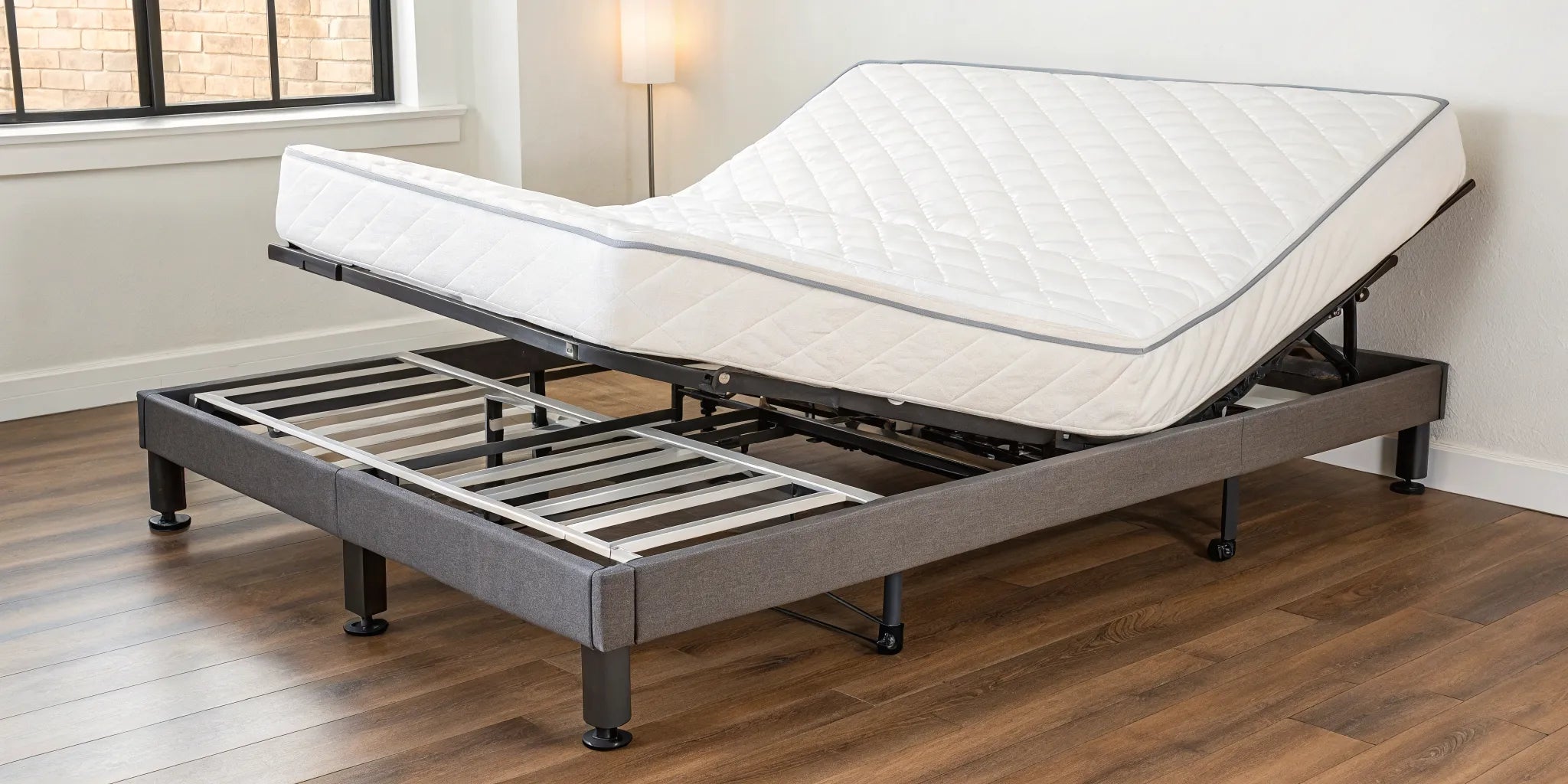
Your mattress needs a strong, stable surface to do its job correctly. Placing a brand-new hybrid on an old, sagging box spring or a weak frame is like putting high-performance tires on a rusty car—it just won't work. A flimsy foundation can cause the mattress to feel softer and less supportive than it actually is, compromising spinal alignment. For the ultimate upgrade, consider pairing your mattress with one of our adjustable bases. They provide rock-solid support while also letting you customize your sleep position to reduce snoring, alleviate back pain, and improve circulation.
Making the Most of Your New Mattress
Once you have your new mattress home, there are a few final steps to ensure it provides years of comfortable sleep. A new mattress is a significant investment in your well-being, and just like any other major purchase, it requires a short adjustment period and some basic care. Taking the time to break it in properly and protect it from wear and tear will help you enjoy its full benefits. These simple habits not only extend the life of your mattress but also guarantee you get the consistent, high-quality rest you deserve every single night.
The Adjustment Period: Give It Time
It’s normal for a new mattress to feel a bit different at first. Your body has grown accustomed to your old sleeping surface, and it needs time to adapt to the new support system. Give yourself at least two to three weeks to adjust before deciding if it’s the right fit. During this period, the materials in the mattress will also soften slightly and conform to your body. If you sleep with a partner, pay attention to how their movements feel over a few nights. A quality hybrid should minimize motion transfer, but it’s still something to be aware of as you both get used to the new bed.
Proper Care and Maintenance
To keep your mattress feeling great for years to come, a little maintenance goes a long way. For most hybrid and foam mattresses, you should rotate it 180 degrees every three to six months to ensure it wears evenly. This prevents body impressions from forming in one spot. More importantly, the single best thing you can do is invest in a quality mattress protector from day one. It shields your bed from spills, dust mites, and allergens, which not only keeps it clean but is often required to keep your warranty valid. It’s a small step that offers huge peace of mind.
Frequently Asked Questions
Is a hybrid mattress good for combination sleepers?
Yes. Hybrids are the most commonly recommended mattress type for combination sleepers because the coil core provides responsive support while the foam or latex comfort layers add pressure relief. They adapt well across side, back, and stomach positions.
What firmness is best if I sleep on my side and back?
Medium to medium-firm (5–6.5 on the firmness scale) works best for side-and-back combination sleepers. This range provides enough cushioning for side sleeping while keeping the spine aligned on your back.
Can an adjustable base help combination sleepers?
An adjustable base can be very helpful. It lets you fine-tune your head and foot position to match whichever sleep position you're in. Combination sleepers who experience acid reflux, snoring, or lower back tension may benefit the most from adjustable positioning.
How do I test a mattress for combination sleeping?
Spend at least 10–15 minutes lying on the mattress in a store. Shift between your side, back, and stomach. Pay attention to how easy it is to change position (responsiveness) and whether any single position feels uncomfortable. Visit our Richmond showroom to test multiple options side by side.
Does a thicker mattress mean it's better?
It's a common assumption that a thicker mattress automatically means better quality or comfort, but that's not always the case. While a certain amount of thickness is needed for support and durability, what's inside the mattress matters far more than its height. For combination sleepers, the key is responsiveness—how quickly the mattress adapts when you shift from your side to your back. A super-thick, all-foam mattress might feel luxurious, but if it's slow to respond, you'll feel stuck. Instead, focus on the construction. A hybrid mattress, for example, combines supportive coils with comfort layers, offering the bounce and adaptability you need to move freely without sacrificing pressure relief. The quality of the materials and the support system are much better indicators of a great mattress than thickness alone.