








 Hybrid
 Individual Pocketed Coil
 Foam
Foam Open Coil
 Latex
Latex




Waking up feeling groggy, stiff, or just plain exhausted—even after a full night's sleep? You're not alone. The reality of poor sleep today is that so many of us are struggling with low-quality rest. This is often caused by common culprits like an unsupportive mattress, bad sleep posture, or waking up too hot or cold. Before you resign yourself to another tired day, let's look at what's really disrupting your sleep and how the right support can change everything.
With more than 70 million Americans suffering from sleep disorders and countless others struggling with restless sleep, night sweats, and back pain, it’s time to address the root cause: your mattress might not be giving you the proper support and comfort you need.
At Mattress on Demand, with locations in Katy, TX, and Richmond, TX, we are committed to helping people improve their sleep with scientifically designed, high-quality mattresses that cater to specific sleep concerns. If you're tired of tossing and turning, let’s dive into what’s causing your sleep struggles—and how we can fix it.
Understanding Why Sleep Matters
We often think of sleep as just "turning off" for the night, but it's an incredibly active and essential process for our minds and bodies. Getting enough quality sleep is just as important as eating a healthy diet or exercising regularly. When we sleep, our bodies work hard to repair muscles, consolidate memories, and regulate hormones. Without it, everything from our mood to our immune system can take a hit. Think of it as the foundation for a productive and healthy day. If that foundation is shaky because of poor sleep, it's hard for anything else to feel right. That's why focusing on your sleep environment, starting with your mattress, is one of the most impactful changes you can make for your overall well-being.
The Different Stages of Sleep
Sleep isn't a single, static state. Instead, your body cycles through different stages throughout the night. According to the Cleveland Clinic, "Your body goes through different sleep stages (light, deeper, deepest, and REM sleep where you dream). Each cycle takes about 90-120 minutes, and most people need 4-5 cycles per night." Each stage plays a unique role, from physical restoration in deep sleep to memory processing during REM sleep. If you're constantly tossing and turning on an uncomfortable mattress, you risk interrupting these crucial cycles. A supportive sleep surface helps you transition smoothly through each stage, ensuring you get the restorative benefits you need to wake up feeling refreshed and ready for the day.
How Much Sleep Do You Really Need?
While the perfect amount of sleep can vary from person to person, there are some solid guidelines. The NHS notes that "most healthy adults need about 7 to 9 hours of sleep each night." However, it's not just about the number of hours you're in bed; it's about the quality of those hours. You could be in bed for eight hours, but if you're waking up frequently or struggling to get comfortable, you're not getting the deep, restorative sleep your body craves. This is where your mattress plays a starring role. The right one provides the comfort and support needed to minimize disruptions, helping you make the most of every hour of rest and truly improve your sleep quality.
Recommended Sleep by Age
Sleep needs change as we go through different life stages, but for most of us, the target remains consistent. The Cleveland Clinic confirms that for adults aged 18 and up, the sweet spot is between 7 to 9 hours per night. Hitting this target consistently is key to maintaining both physical and mental health. It allows your body enough time to complete the necessary sleep cycles for repair and recovery. If you're an adult in the Katy, Richmond, or Rosenberg area and find yourself falling short of this goal, it might be time to assess what's getting in the way of a full night's rest.
The Vital Role of Sleep for Your Health
Sleep is fundamental to how we learn, remember, and process our daily experiences. It’s during sleep that our brains sort through the day's information, strengthening important connections and clearing out waste. In fact, research suggests that sleep is crucial for long-term brain health. As the Cleveland Clinic points out, "Sleep is crucial for learning and memory. There's some evidence that sleep deprivation might play a role in Alzheimer's disease." Prioritizing sleep is an investment in your cognitive function now and in the future. A comfortable and supportive sleep setup, including the right pillows and bedding, creates an environment that encourages the deep sleep your brain needs to thrive.
Sleep Deprivation vs. Insomnia
It's easy to use "insomnia" and "sleep deprivation" interchangeably, but they describe different challenges. Insomnia is a medical condition where you struggle to fall or stay asleep, even when you have the opportunity. On the other hand, sleep deprivation is what happens when external factors or choices prevent you from getting enough sleep. The Cleveland Clinic clarifies, "Insomnia is when you *can't* sleep even when you try. Sleep deprivation is what happens when you don't *allow* yourself enough time to sleep, or your sleep quality is poor." An old, unsupportive mattress can be a major contributor to poor sleep quality, leading to sleep deprivation even if you don't have insomnia.
The Health Risks of Poor Sleep
Skimping on sleep does more than just make you feel tired the next day; it can have serious and lasting effects on your health. When you consistently miss out on quality rest, you're putting your body under significant stress. This can weaken your immune system, making you more susceptible to getting sick, and disrupt the hormones that regulate your appetite and metabolism. Over time, these effects accumulate, increasing your risk for a wide range of chronic health issues. Viewing sleep as a non-negotiable part of your health routine is the first step toward protecting your long-term well-being. It's a daily practice that pays dividends for years to come.
Physical Health Consequences
The physical toll of poor sleep is extensive and well-documented. According to the Cleveland Clinic, "Chronic sleep deprivation increases the risk of Type 2 diabetes, high blood pressure, obesity, sleep apnea, vascular disease, stroke, heart attack, depression, anxiety, and psychosis." This isn't meant to be alarming, but it highlights how critical sleep is for maintaining your body's core functions. Investing in a sleep system that addresses your specific needs, like pairing a quality mattress with an adjustable base to alleviate issues like snoring or acid reflux, is a direct investment in preventing these serious health conditions down the road.
Impact on Mental Well-being
A good night's sleep is one of the best things you can do for your mental and emotional health. It's when your brain recharges, processes emotions, and prepares you for the challenges of the next day. When you're sleep-deprived, you're more likely to feel irritable, anxious, and overwhelmed by everyday stressors. As experts at Yale News explain, "Sleep helps our bodies and minds recover, manage emotions, and remember things." Creating a peaceful and comfortable bedroom environment is essential for protecting your mental resilience. A mattress that feels like a sanctuary can make a world of difference in how you face your day.
Common Symptoms of Sleep Deprivation
Not sure if you're truly sleep-deprived? The signs are often hiding in plain sight. The Cleveland Clinic lists several common symptoms, including "daytime sleepiness, tiredness, irritability, trouble thinking, focusing, and remembering, slow reaction times, [and] headaches." If this list sounds a little too familiar, it's a clear signal that your body isn't getting the rest it needs. These symptoms aren't just minor annoyances; they can impact your performance at work, your relationships, and your overall quality of life. It might be time to consider if your mattress is the culprit and explore options, like a Helix mattress, designed for personalized comfort.
Increased Sensitivity to Pain
If you live with chronic pain, sleep can be a powerful ally—or a significant obstacle. A lack of quality rest can actually lower your pain threshold. The Cleveland Clinic notes, "Not sleeping enough can make you feel pain more easily or more intensely." This creates a frustrating cycle where pain disrupts sleep, and lack of sleep worsens pain. Breaking this cycle often starts with a mattress that provides proper spinal alignment and pressure relief. By cushioning sensitive areas like your hips and shoulders, the right mattress can help you get the deep, restorative sleep needed to better manage pain.
What’s Causing Poor Sleep? The Most Common Sleep Disruptors
Before we find the solution, let’s identify the most common reasons why millions of people are struggling with poor sleep:
1. An Unsupportive or Old Mattress
👉 The Problem: Sleeping on a mattress that’s too old, too soft, or too firm can lead to back pain, stiffness, and restlessness throughout the night. Most mattresses should be replaced every 7-10 years, yet many people hold onto theirs far beyond this timeframe.
✅ The Solution: Upgrade to a supportive mattress tailored to your sleep style. At Mattress on Demand, we carry industry-leading brands like Tempur-Pedic, Helix, WinkBeds, Brooklyn Bedding, and more, all designed for optimal spinal alignment and pressure relief.
2. Sleeping Too Hot
👉 The Problem: Night sweats and overheating are one of the biggest contributors to sleep disturbances. Many traditional mattresses trap heat, making it difficult to stay comfortable.
✅ The Solution: A cooling mattress with gel-infused foams, breathable materials, and phase-change technologycan help regulate body temperature and keep you cool. Top cooling mattress picks include the Brooklyn Bedding Aurora Luxe, TEMPUR-breeze®, and Bear Elite Hybrid.
3. Motion Transfer from Your Partner
👉 The Problem: If you or your partner are constantly waking each other up by moving during the night, it’s likely due to a mattress with poor motion isolation.
✅ The Solution: A mattress with motion-absorbing technology can help! Memory foam and hybrid mattresses with pocketed coils, such as Tempur-Pedic, Helix Luxe, and WinkBeds, are designed to minimize movement disruptions, allowing both partners to sleep peacefully.
4. Back, Hip, or Shoulder Pain
👉 The Problem: Waking up with aches and pains is a sign that your mattress is not providing the right level of support and pressure relief.
✅ The Solution: A mattress with zoned support ensures that different parts of your body get the cushioning or firmness they need. For back pain relief, try the WinkBeds Luxury Firm, Tempur-Pedic ProAdapt, or Bear Elite Hybrid.
5. Lifestyle Habits and Sleep Hygiene
Sometimes, the reason for a restless night has less to do with your mattress and more to do with your daily routine. The choices you make from morning to night can significantly influence your sleep quality. Things like what you eat, how much you move, and when you unwind all play a part in preparing your body for a restorative night's sleep. Let's look at a few key habits that might be getting in the way of your rest.
Diet, Caffeine, and Alcohol
What you consume throughout the day directly impacts how you sleep at night. A large or spicy meal close to bedtime can cause discomfort and heartburn, making it difficult to settle down. While that afternoon coffee might seem necessary, caffeine can linger in your system for hours, disrupting your ability to fall asleep. According to Harvard Health, alcohol can also be deceiving. It might make you feel drowsy initially, but it ultimately fragments your sleep later in the night, preventing you from reaching the deeper, more restorative stages of rest.
Lack of Physical Activity
The connection between exercise and sleep is a powerful one. Engaging in regular physical activity can help you fall asleep faster and enjoy deeper sleep. It doesn't have to be an intense workout; even moderate activity like a brisk walk can make a difference. This creates a positive cycle: when you exercise regularly, you sleep better, and when you sleep better, you have more energy to be active. If you find yourself feeling sluggish, incorporating some movement into your day could be the key to a more restful night.
6. Underlying Medical Conditions
If you’ve tried everything—a new mattress, better sleep habits, a relaxing bedtime routine—and still can't get the rest you need, there might be an underlying medical issue at play. Conditions like sleep apnea, restless legs syndrome, chronic pain, or hormonal imbalances can seriously disrupt sleep. The Cleveland Clinic notes that chronic sleep deprivation is linked to a higher risk of serious health problems, including high blood pressure, diabetes, and heart disease. While a supportive mattress is crucial for comfort, it's not a substitute for medical care. If you suspect a health condition is affecting your sleep, it's important to speak with a healthcare professional.
7. Environmental and Mental Factors
Your surroundings and your state of mind are just as important as your physical comfort when it comes to sleep. A racing mind or an inconsistent schedule can keep you awake just as easily as an uncomfortable bed. Creating an environment that signals to your brain that it's time to rest is a critical step. This involves managing both your internal thoughts and your external world to build a peaceful transition into sleep.
Stress and Irregular Schedules
Stress is a major sleep thief. When your mind is racing with worries, your body stays in a state of high alert, making it nearly impossible to relax and fall asleep. This creates a frustrating cycle: stress causes poor sleep, and a lack of sleep makes you less equipped to handle stress. Similarly, an irregular schedule—going to bed and waking up at different times each day—confuses your body's internal clock, making it harder to maintain a consistent sleep pattern.
Lack of Natural Light
Your body’s internal 24-hour clock, or circadian rhythm, relies on light cues to know when to be awake and when to feel sleepy. Getting some natural sunlight first thing in the morning is one of the best ways to reinforce this cycle. According to experts, a lack of morning light can throw your sleep-wake schedule off balance, making you feel groggy during the day and wide awake at night. Try opening your curtains right after you wake up or taking a short walk outside to help regulate your internal clock.
Actionable Strategies for Better Sleep
Understanding what disrupts your sleep is the first step, but putting a plan into action is what truly makes a difference. Improving your sleep doesn't have to be complicated. By making a few intentional changes to your routine and environment, you can create the ideal conditions for a restful night. These strategies are designed to be simple and effective, helping you build a foundation for consistently great sleep. Let's explore some practical steps you can take starting tonight.
Establish a Consistent Sleep Routine
One of the most effective ways to improve your sleep is to maintain a consistent schedule. This means going to bed and waking up around the same time every day, even on weekends. This practice reinforces your body's sleep-wake cycle, making it easier to fall asleep and wake up naturally. The NHS emphasizes that this consistency is a cornerstone of good sleep hygiene. Create a relaxing pre-sleep ritual, like reading a book, taking a warm bath, or listening to calm music, to signal to your body that it's time to wind down.
Optimize Your Sleep Environment
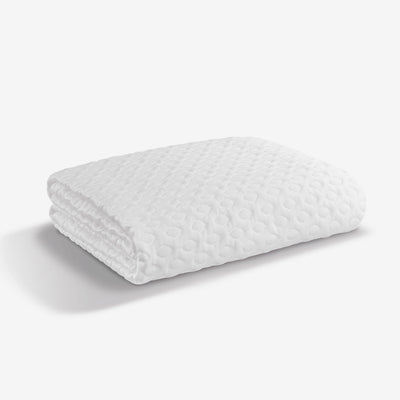
Your bedroom should be a sanctuary for sleep. Start by making sure it's cool, dark, and quiet. Blackout curtains, a white noise machine, or earplugs can help. Your bed itself is the centerpiece of this environment. Ensure your mattress provides the right support for your body and sleeping position. Pairing it with the right pillows will keep your spine aligned. And don't forget a quality mattress protector; it not only safeguards your investment but can also offer cooling and hypoallergenic benefits, contributing to an undisturbed night.
What to Do When You Can't Fall Asleep
Staring at the ceiling while feeling frustrated is counterproductive. If you find yourself wide awake after about 15 minutes in bed, the best thing to do is get up. As sleep experts suggest, move to another room and do a quiet, relaxing activity, like reading a book or listening to soft music, until you start to feel sleepy. Avoid screens, as the blue light can make you feel more awake. The goal is to associate your bed with sleep, not with the anxiety of being unable to sleep. Once you feel drowsy, head back to bed and try again.
When to Seek Professional Help
While lifestyle adjustments and a better sleep environment can solve many sleep issues, sometimes they aren't enough. If poor sleep is consistently affecting your daily life, causing you distress, or if you suspect an underlying condition like sleep apnea, it's time to talk to a professional. The NHS advises consulting your doctor if sleep problems persist. A healthcare provider can help you identify the root cause of your sleep issues and recommend the most appropriate course of action, ensuring you get the help you need.
How to Find the Right Mattress for Better Sleep
The key to solving poor sleep quality is choosing the right mattress based on your sleep style, body type, and comfort preferences. Here’s what to consider:
Best Mattress for Side Sleepers
🔹 Recommended: Soft to medium-firm mattresses that relieve pressure on the shoulders and hips.
✅ Top picks: Helix Midnight Luxe, Brooklyn Bedding Aurora Luxe, TEMPUR-ProAdapt Soft
Best Mattress for Back Sleepers
🔹 Recommended: Medium to firm mattresses that promote spinal alignment and support.
✅ Top picks: WinkBeds Luxury Firm, Bear Elite Hybrid, Tempur-Pedic LuxeAdapt Firm
Best Mattress for Stomach Sleepers
🔹 Recommended: Firmer mattresses that prevent the midsection from sinking.
✅ Top picks: Helix Dawn Luxe, TEMPUR-Adapt Firm, Brooklyn Signature Firm
Best Cooling Mattress for Hot Sleepers
🔹 Recommended: Mattresses with cooling technology, breathable covers, and gel-infused foams.
✅ Top picks: Brooklyn Bedding Aurora Luxe, TEMPUR-breeze®, Bear Elite Hybrid
How to Cope After a Night of Poor Sleep
Even with the perfect sleep setup, life happens. Stress, a late night, or a noisy neighbor can sometimes get in the way of a restful night. While the long-term goal is consistent, quality sleep, knowing how to get through the day after a rough night is a crucial skill. Instead of reaching for a gallon of coffee and hoping for the best, here are some practical steps you can take to function effectively and get back on track for a better night’s sleep tomorrow.
Don't Stress About One Bad Night
First things first: take a deep breath and relax. A single night of tossing and turning won't derail your long-term health. Our bodies are incredibly resilient and designed to recover. The biggest mistake you can make is to worry excessively about it, as that anxiety can make it even harder to fall asleep the next night, creating a frustrating cycle. Acknowledge that you're tired, be kind to yourself, and focus on the day ahead. If you find that one bad night is turning into a regular pattern, it might be a sign to evaluate your sleep environment, starting with your mattress.
Stay Hydrated and Eat Smart
When you’re exhausted, it’s tempting to reach for sugary snacks for a quick energy fix, but that often leads to a crash later. Instead, focus on hydration and balanced meals. Start your morning with a large glass of water, as dehydration can significantly worsen feelings of fatigue. Throughout the day, continue to drink plenty of water and opt for nutrient-rich foods like fruits, vegetables, and lean proteins. Eating smart will provide a steady stream of energy to help you power through the day without the dramatic highs and lows that come from sugar and processed foods.
Use Caffeine Strategically
A morning cup of coffee or tea can be a lifesaver after a sleepless night, helping you feel more alert and focused. However, it's important to use caffeine wisely. Stick to one or two cups in the morning. Drinking more than that won't necessarily make you feel more awake; in fact, it can lead to jitters, anxiety, and an afternoon crash. Most importantly, avoid caffeine in the afternoon and evening, as its effects can linger for hours and interfere with your ability to fall asleep later, setting you up for another rough night.
Get Some Light and Movement
It might be the last thing you feel like doing, but getting your body moving can make a huge difference. If you can, step outside for a short walk, especially in the morning. Exposure to natural sunlight helps to regulate your body's internal clock by signaling that it's time to be awake and alert. Even a brief 15-minute walk can increase blood flow and provide a natural energy lift that lasts longer than another cup of coffee. This simple act helps block sleep-inducing hormones and can improve your mood and focus for the rest of the day.
Take a Short Power Nap
If your schedule allows, a short nap can be an incredibly effective way to recharge. The key is to keep it brief. Aim for a 20 to 30-minute power nap, ideally between 12 p.m. and 2 p.m. This is long enough to improve alertness and performance without leaving you feeling groggy or interfering with your nighttime sleep. Napping for longer than 30 minutes can push you into deeper stages of sleep, making it much harder to wake up. Set an alarm to ensure you don't oversleep and undo the benefits.
Avoid Driving and Big Decisions
When you're sleep-deprived, your judgment, coordination, and reaction time are all impaired. This makes getting behind the wheel of a car particularly dangerous. According to the CDC, drowsy driving can be just as hazardous as drunk driving. If you're feeling exhausted, opt for public transportation, a ride-sharing service, or ask a friend for a ride. Similarly, try to postpone any major decisions. Your cognitive function isn't at its peak, so it's best to wait until you're well-rested to tackle important choices that require clear thinking.
Why Buy from Mattress on Demand in Katy & Richmond, TX?
At Mattress on Demand, we take the guesswork out of mattress shopping by providing:
🛏️ Largest Selection of Top-Rated Mattresses – We carry the best brands for every sleep style, comfort preference, and budget.
💰 Exclusive Local Discounts & Financing – Get 0% interest financing for 6-48 months (minimum purchase required, terms apply).
👨⚕️ Certified Sleep Experts – Our team is trained to help you find the perfect mattress based on your sleep habits, pain points, and temperature needs.
🚚 Same-Day & Next-Day Delivery – No long wait times—get your new mattress delivered fast!
🏡 Locally Owned & Customer-Focused – We are a trusted local business that prioritizes customer satisfaction and quality sleep solutions.
Visit Mattress on Demand in Katy & Richmond, TX Today!
📍 Richmond, TX Showroom: 1531 FM 359 Rd STE 500 Richmond, TX
📍 Katy, TX Showroom: 23233 Kingsland Blvd STE A Katy, TX
📞 Call Us Today: 832-413-1000 Richmond & 832-900-9159 Katy
⏰ Business Hours: Monday-Saturday 10am-6pm
Sunday 12pm-5pm
🔎 Searching for “best mattress for back pain in Katy, TX” or “where to buy a cooling mattress in Richmond, TX”?Mattress on Demand is your go-to destination for expert sleep solutions, premium mattresses, and unbeatable deals.
Don’t let poor sleep quality ruin your health and well-being. Visit us today and experience the life-changing benefits of a high-quality mattress! 💤✨
Frequently Asked Questions
How can I tell if my mattress is the real reason I'm sleeping poorly? If you consistently wake up with stiffness in your back, neck, or hips, that’s a major red flag. Other tell-tale signs include visible sagging or a noticeable dip where you sleep, or simply feeling more rested after sleeping in a different bed, like at a hotel. Your mattress should be a source of comfort and support, so if you find yourself tossing and turning to find a comfortable spot, it's likely no longer doing its job.
With so many options, how do I choose the best mattress for me without feeling overwhelmed? The best way to simplify the process is to focus on your personal sleep habits. Think about your primary sleeping position—side, back, or stomach—and whether you tend to sleep hot. This will narrow down your choices significantly. From there, the most effective step is to talk with a sleep expert who can guide you based on your specific needs and let you test different options in person. This hands-on approach removes the guesswork and ensures you find a mattress that truly fits you.
I sleep with a partner who moves a lot. Will a new mattress actually fix that? Yes, it absolutely can. This is a common issue caused by poor motion isolation in older or lower-quality mattresses. Modern memory foam and hybrid mattresses with pocketed coils are specifically designed to absorb movement. This means that when your partner shifts or gets out of bed, the motion stays on their side, allowing you to sleep undisturbed. It can make a huge difference for light sleepers.
How long should a good mattress last, and are there signs it's time for a replacement? A quality mattress generally lasts between 7 and 10 years. However, that timeline isn't set in stone. The most important indicators are how your mattress looks and how you feel. If you notice permanent body indentations, lumps, or if you're waking up with aches and pains that you didn't have before, it's time to start looking for a replacement, even if it hasn't been a full decade.
What if I've tried everything, including a new mattress, and still can't sleep? A supportive mattress is a critical foundation for good sleep, but it's one piece of a larger puzzle. If you've optimized your sleep environment and are still struggling, it's worth looking at your daily habits, like your caffeine intake or screen time before bed. If persistent sleep problems continue to affect your quality of life, it may be time to speak with a healthcare professional to rule out any underlying conditions.
Key Takeaways
- Treat Your Mattress as a Health Investment: An old or unsupportive mattress is often the direct cause of issues like back pain, overheating, and restless nights. Choosing a mattress that fits your body and sleep style is one of the most impactful changes you can make for your long-term health.
- Build Habits for Better Rest: While the right mattress is crucial, your daily routine plays a huge role in sleep quality. Sticking to a consistent schedule and creating a cool, dark, and quiet bedroom environment work together to help you get the restorative sleep you need.
- Match the Solution to Your Specific Problem: Instead of guessing, identify what's actually disrupting your sleep. Whether you're a hot sleeper, feel every toss and turn from a partner, or wake up sore, there are mattresses with specific features like cooling technology or zoned support designed to solve your exact issue.
Related Articles
- How to Sleep Better: It Starts With Your Mattress – Mattress on Demand
- 5 Best Sleeping Tips for a Better Night's Rest – Mattress on Demand


