


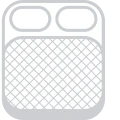
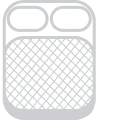
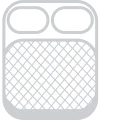
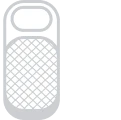
 Hybrid
 Individual Pocketed Coil
 Foam
Foam Open Coil
 Latex
Latex


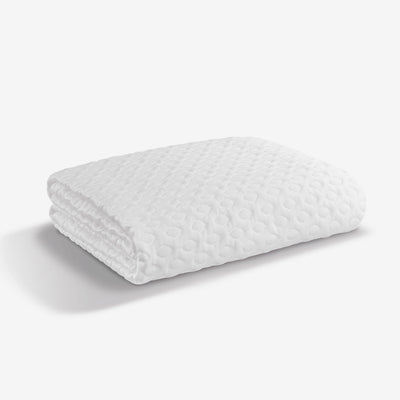


We’ve all had that sinking feeling after a spill. Cleaning a mattress is a nightmare—you can blot and scrub, but you never really get what soaks deep inside. Instead of reacting to messes, why not stop them before they even start? A high-quality plastic mattress protector provides a completely waterproof barrier, ensuring liquids never reach your mattress. This simple tool transforms a potential disaster into a minor inconvenience you can wipe away in seconds. It’s the easiest way to preserve the hygiene and lifespan of your bed, without sacrificing comfort.
Key Takeaways
- Choose Plastic for Total Protection: A plastic protector offers a complete waterproof and allergen-proof barrier, making it the best choice for guarding against spills, pet accidents, and dust mites.
- Prioritize a Perfect Fit: A protector only works if it fits correctly, so measure your mattress depth before you shop. This ensures you get a snug cover that won’t bunch up or be too tight to zip closed.
- Understand the Comfort and Care: While plastic offers superior protection and easy wipe-down cleaning, it can sometimes trap heat or make noise. Consider these factors to decide if it's the right choice for your sleep style.
What Is a Full Size Plastic Mattress Protector?
A full size plastic mattress protector is a simple yet powerful tool for safeguarding your bed. Think of it as a shield for your mattress, designed to block out liquids, allergens, and pests. Whether you're dealing with accidental spills, protecting against bedwetting, or just want to keep your mattress in pristine condition for years to come, a plastic cover is a practical solution. They are especially popular for moving or storing mattresses, since they offer heavy-duty protection against dirt and moisture. Unlike fabric protectors that absorb spills, a plastic one creates an impermeable barrier, making cleanup much easier.
What Goes Into Making One?
Most plastic protectors are made from materials like vinyl or polyethylene. These materials create a completely waterproof surface, which is the main reason they are so effective. The best versions, often made from heavy-duty vinyl, are surprisingly soft and durable, so you don't have to sacrifice comfort for protection. Many feature a zippered design that fully encases your mattress, covering the top, bottom, and all four sides. This provides total protection from food spills, pet accidents, and even pests like bed bugs and dust mites, keeping your sleep environment clean and healthy. You can find a great selection of mattress protectors designed for this exact purpose.
Measuring for the Perfect Fit
Finding the right fit is key to making sure your protector does its job without slipping or bunching up. While this guide focuses on full size, these covers come in all standard bed sizes, from Twin to California King. The most important measurement you need to know, besides the length and width, is the depth of your mattress. Protectors come in different depths, typically ranging from a standard 9 inches to extra-deep options of 16 inches or more. Measuring your mattress height before you buy ensures you get a snug, secure fit that stays put, providing seamless protection night after night.
Why Use a Plastic Protector on Your Full Size Bed?
A full size bed is a fantastic and versatile choice, whether it’s for a guest room, a teen’s first “real” bed, or a cozy primary bedroom. No matter its role, that mattress is a significant investment in your comfort and rest. A plastic protector is one of the simplest and most effective ways to make sure it lasts. Think of it as a quiet, hardworking shield that defends against life’s little messes, invisible allergens, and general wear and tear. It keeps your bed feeling fresh and clean for years, making it a small addition that delivers a huge return by preserving the quality of your sleep space.
Spill-Proof Your Bed for Good
Life happens, and it often happens near a comfy bed. Whether it’s a morning coffee that tips over, a glass of water knocked over in the night, or an accident from a child or pet, liquids are a mattress’s worst enemy. Once moisture seeps into the foam and fabric, it can lead to permanent stains, lingering odors, and even mold. A plastic mattress protector provides a completely waterproof barrier. It reliably guards against spills and stains, so you can simply wipe the surface clean and know your mattress underneath is still pristine and protected from damage.
Prevents Foam Degradation from Liquids
Spills do more than just stain the surface; they can cause real, lasting damage to the foam inside your mattress. When liquids penetrate the core, they begin to break down the foam’s delicate cellular structure. Over time, this moisture can cause the foam to lose its resilience, leading to sagging, soft spots, and a noticeable decrease in support and comfort. A plastic protector creates an impenetrable barrier, stopping liquids dead in their tracks. This is especially important for preserving the advanced materials found in today's beds, like those in a Helix mattress. By keeping the internal components completely dry, you’re not just avoiding a mess—you’re actively extending the life of your mattress and protecting your investment in quality sleep.
Create an Allergy-Free Sleep Zone
What you can’t see can definitely affect your sleep. Over time, mattresses become a gathering place for dust mites, pet dander, and other common allergens that can trigger sniffles, sneezes, and itchy eyes. If you’re prone to allergies, this can seriously disrupt your rest. A zippered plastic protector fully encases your mattress, creating an impenetrable barrier that these tiny intruders can’t cross. This simple step helps maintain a healthier sleeping environment by protecting against not just dust mites but also mold and mildew, letting you breathe easier all night long and wake up feeling refreshed.
A Note on Dust Mites and Allergy Symptoms
It might sound unpleasant, but mattresses are a prime habitat for dust mites, which feed on the dead skin cells we naturally shed while we sleep. For many people, exposure to these microscopic pests and their waste is a major trigger for allergy symptoms, leading to nighttime congestion, sneezing, and itchy eyes that make restful sleep feel impossible. A zippered plastic protector is your best defense, creating a non-porous shield that completely seals off your mattress. This barrier prevents skin cells from reaching the mattress, effectively cutting off the dust mites' food source, while also stopping existing mites and other allergens from getting out. By keeping your mattress free of these common irritants, you can significantly reduce allergy symptoms and create a truly clean and peaceful place to rest.
Spills? Cleanup is Simple
Let’s be honest: cleaning a mattress is a difficult, if not impossible, task. Trying to spot-treat a stain can sometimes make it worse, and you can never truly deep clean the inner layers of foam and fiber. This is where a plastic protector makes life so much easier. Instead of a major cleaning project that involves special solutions and a lot of scrubbing, you have a simple fix. Most messes can be handled in seconds because the protector is so easy to clean; you just wipe it with a damp cloth and you’re done. It’s a low-effort way to maintain a hygienic sleep surface.
Protect Your Mattress Without Breaking the Bank
A quality mattress is one of the most important purchases you’ll make for your home, directly impacting your health and well-being. A plastic protector is like an inexpensive insurance policy for that purchase. For a very small fraction of the cost of a new mattress, you can shield it from the accidents and allergens that shorten its lifespan. This small, upfront cost saves you from the much larger expense of having to replace your mattresses prematurely. It’s a smart, budget-friendly decision that pays for itself over and over by extending the life and comfort of your bed.
Keep Your Mattress Warranty Valid
When you invest in a new mattress, it almost always comes with a warranty that protects you against manufacturing defects. But here’s a detail many people miss: most warranties become void if the mattress is stained, soiled, or shows signs of liquid damage. An accidental spill could mean you’re out of luck if a real issue, like sagging, develops later on. A plastic mattress protector is your best defense. It acts as an impermeable shield, ensuring that no spills or accidents ever reach the mattress surface. This simple, affordable step keeps your bed in pristine condition and, more importantly, keeps your warranty fully intact, giving you peace of mind for years to come.
Helps Manage Scabies and Other Pests
It’s an unsettling thought, but mattresses can become a haven for microscopic pests like dust mites, bed bugs, and even scabies. These unwelcome guests can disrupt sleep and aggravate allergies. A zippered plastic protector offers a powerful solution by completely encasing your mattress. This creates an impenetrable barrier that prevents pests from getting into your bed and traps any that might already be there. For those living in the humid climates of Katy or Rosenberg, this is especially important as it also helps block mold and mildew from developing. By sealing your mattress off from these intruders, you create a more hygienic and healthier sleep environment, allowing you to rest easy.
Plastic vs. Fabric: Which Protector is Best?
When you’re shopping for a mattress protector, you’ll find options made from all sorts of materials. While plastic offers unmatched protection against liquids, it’s helpful to see how it stacks up against popular alternatives like cotton, bamboo, and polyester. Each material has its own set of benefits, so the right choice really comes down to your specific needs, whether that’s breathability, durability, or total spill-proofing. Let’s break down the key differences to help you decide.
Plastic vs. Cotton
The biggest difference between plastic and cotton comes down to one thing: waterproofing. If your main concern is protecting your mattress from spills, sweat, or accidents, a plastic protector is your best bet. It creates an impermeable barrier that liquids simply can’t get through. On the other hand, cotton protectors are prized for being naturally breathable and soft to the touch. While they can absorb small amounts of moisture, a significant spill will likely soak through to the mattress. For ultimate peace of mind against messes, plastic is the clear winner.
Plastic vs. Bamboo and Polyester
Materials like bamboo and polyester often try to offer the best of both worlds. Bamboo protectors are known for being incredibly soft and breathable, while polyester is durable and often blended with other fabrics to create a waterproof layer. Some advanced materials, like TENCEL™, are excellent at moisture-wicking and feel great against the skin. However, while many of these options are water-resistant, they may not provide the 100% waterproof guarantee that a solid plastic or vinyl protector does. If you need absolute certainty that no liquid will reach your mattress, plastic remains the most reliable choice.
Which Material Lasts the Longest?
When it comes to longevity, plastic protectors generally have an edge. Materials like vinyl are incredibly tough and resistant to the rips and tears that can happen over time with washing and daily use. Because they are non-absorbent, they aren’t prone to breaking down from repeated exposure to moisture. Cotton and bamboo, while comfortable, can be less durable. A cotton protector, for instance, can become soaked from a large spill, which can weaken the fibers over time. For a protector that is truly more durable and built to last for years, plastic is often the most practical option.
How to Shop for a Full Size Plastic Protector
Once you’ve decided a plastic protector is right for you, it’s time to pick one out. But with so many options, how do you choose? Finding the right one doesn’t have to be complicated. Paying attention to a few key details will ensure you get a protector that fits well, does its job, and lasts for years. Think of it as a mini-checklist to run through before you buy. From getting the size just right to checking the quality of the seams, these simple steps will help you find the perfect shield for your mattress. Let’s walk through exactly what to look for.
Choosing the Right Fit and Style
A poorly fitting mattress protector is more than just an annoyance; it can also be ineffective. If it’s too loose, it will bunch up under your sheets, creating an uncomfortable sleeping surface. If it’s too tight, it can be a struggle to get on and may even tear. Before you start shopping for mattress protectors, grab a tape measure. First, confirm your mattress size (in this case, a full). Next, measure the depth of your mattress. Protectors come in different depths to accommodate everything from standard mattresses (around 9 inches) to extra-deep pillow tops (up to 16 inches or more). Choosing the correct depth ensures a snug, secure fit that stays in place all night long.
Encasement vs. Fitted-Sheet Style
You’ll also need to decide between two main designs: an encasement or a fitted-sheet style. An encasement protector offers 360-degree coverage, completely sealing your mattress on all six sides with a zipper. This is the ultimate defense against everything from spills to allergens and even bed bugs, as it creates a total barrier. A fitted-sheet style, on the other hand, works just like the sheets you’re used to. It has elastic edges and covers the top and sides of the mattress, leaving the bottom open. While it provides excellent protection against surface spills and is much easier to take off for washing, it doesn’t offer the same complete security as an encasement. Your choice depends on your priorities: if you want maximum protection, go with an encasement; if you value convenience and easy cleaning, a fitted-sheet protector is a great option.
Inspect the Zippers and Seams
The little details often make the biggest difference, and that’s certainly true for mattress protectors. A protector is only as strong as its weakest point, which is often the zipper or the seams. Look for a protector with a sturdy, well-made zipper that won’t snag or break after a few uses. The seams are just as important. High-quality protectors often feature electronically welded seams, which create a perfect seal that liquids can’t penetrate. This type of construction is also excellent for creating a barrier against bed bugs and other allergens, keeping your mattress completely safe and clean.
Look for a "Bugstop Seal" and Rust-Proof Zippers
When you're selecting a full size plastic mattress protector, it’s the small details that often provide the biggest benefits. A key feature to look for is a "Bugstop Seal" on the zipper. This innovative design is crucial for preventing bed bugs, dust mites, and other allergens from finding their way into your mattress, ensuring your sleep environment stays healthy. High-quality protectors often use electronically welded seams, which create a perfect seal that liquids can’t penetrate. This type of construction is also excellent for creating a barrier against bed bugs and other allergens. Additionally, always check for rust-proof zippers. A sturdy, well-made zipper is essential for the protector's longevity and effectiveness, ensuring it won’t snag or break after just a few uses. This attention to detail guarantees your protector is durable and provides the complete safeguard your mattress needs.
Does Thickness Make a Difference?
Not all plastic is created equal. The thickness of the material, often measured in "gauges," will tell you a lot about its durability and feel. For a great balance of strength and comfort, look for a protector made from 6-gauge vinyl. This thickness is substantial enough to be fully waterproof and resist tears, but it’s still soft and flexible enough that you won’t feel like you’re sleeping on a plastic sheet. A thinner, flimsier material might be cheaper, but it’s more likely to rip or develop leaks over time. Investing in a slightly thicker material ensures your protector can handle daily life and last for the long haul.
Choosing a Safe, Non-Toxic Protector
When you’re adding a new layer to your bed, you want to be sure it’s safe for you and your family. Some plastics can release chemicals into the air in a process called off-gassing. To avoid this, look for protectors that are certified to be free from harmful substances like phthalates or formaldehyde. Many reputable brands prioritize safety in their manufacturing process, so this information is usually easy to find on the product packaging or description. Choosing a protector made from high-quality, non-toxic materials gives you peace of mind, ensuring your entire bedding setup contributes to a healthy and restful night’s sleep.
Understanding Chemical Warnings (Proposition 65)
You might occasionally see a label on a product that says it contains chemicals known to the state of California to cause cancer or birth defects. This is part of California's Proposition 65, a law that requires businesses to provide warnings about significant exposures to certain chemicals. For example, some heavy-duty vinyl protectors might have this warning because they can expose you to chemicals like DEHP. While seeing this label can be startling, its purpose is to inform you. It doesn't automatically mean the product is unsafe, but it does give you the power to choose products made from materials you feel more comfortable with, helping you create the healthiest sleep environment possible.
Watch Out for VOCs and Flame Retardants
Beyond warning labels, it’s smart to be aware of a few other things. Some lower-quality plastic protectors, especially those made from PVC or vinyl, can contain chemicals like phthalates, which have been linked to hormone issues. They may also be treated with flame retardants, some of which are associated with serious health concerns. These chemicals can sometimes release Volatile Organic Compounds (VOCs) into the air, which you definitely don’t want in your bedroom. Choosing a protector made from high-quality, certified materials is a simple way to avoid these potential issues and ensure the air you breathe while you sleep is clean and healthy.
Look for Safer Materials like TPU
If you want the waterproofing power of plastic without the potential downsides of vinyl, look for protectors made with TPU. TPU, or thermoplastic polyurethane, is a modern, non-toxic material used for the waterproof layer in many high-quality protectors. It’s a much safer alternative to PVC and provides an excellent waterproof barrier without the risk of off-gassing harmful chemicals. TPU is also known for being soft, quiet, and breathable, so you get top-tier protection without sacrificing comfort. When you're browsing our selection of mattress protectors, keep an eye out for this material—it’s a great indicator of a safe and effective product.
Check for Safety Certifications (OEKO-TEX®)
One of the easiest ways to shop with confidence is to look for third-party safety certifications. The OEKO-TEX® Standard 100 is one of the best and most trusted labels in the textile industry. If a protector has this certification, it means every component has been tested and proven to be free from over 1,000 harmful substances. The highest level, Class I, certifies that the product is safe enough even for babies. This takes the guesswork out of choosing a non-toxic product. Instead of trying to decipher a long list of chemicals, you can simply look for the OEKO-TEX® label and know you’re bringing home a protector that is safe for your entire family.
Are There Any Downsides to Plastic Protectors?
While a plastic mattress protector is a practical shield against spills and stains, it’s not always the perfect solution for every sleeper. Before you commit, it’s worth considering a few potential drawbacks that can affect your comfort and the overall health of your sleep environment. For some, the trade-off for total waterproofing might involve sacrificing a bit of comfort, breathability, and even peace of mind.
The main concerns usually circle back to three things: how it feels and sounds, whether it makes you overheat, and its long-term durability and safety. A protector's job is to keep your mattress in pristine condition, but it shouldn't come at the expense of a good night's sleep. Understanding these potential issues will help you decide if a plastic protector is the right fit for you or if you should explore other materials.
Will It Be Noisy or Uncomfortable?
One of the most common complaints about plastic mattress protectors is the noise. Many of us have experienced that distinct crinkling sound with every toss and turn. While technology has improved, some vinyl or plastic options still create a rustling noise that can be disruptive, especially for light sleepers. Beyond the sound, there’s the feel. A plastic layer, even under a fitted sheet, can feel stiff and less pliable than the soft surface of your mattress. This can detract from the cozy, comfortable feel you want from your bed, making it feel more clinical than restful.
Does It Sleep Hot?
If you’re a hot sleeper, a plastic mattress protector might be your worst enemy. Materials like vinyl and PVC are non-porous, meaning they don’t allow for much airflow. Your body heat gets trapped between you and the protector, creating a warm, humid microclimate under the covers. This lack of breathability can lead to night sweats and general discomfort, forcing you to kick off the blankets. Over time, this trapped moisture can also create an environment where mold and bacteria thrive, which is the opposite of the clean, hygienic space you’re trying to create. Exploring more breathable mattress protectors can offer a cooler, more comfortable alternative.
How Long Will It Really Last?
Plastic protectors are budget-friendly, but they may not offer the best long-term value. With repeated washing and drying, the plastic can become brittle, leading to cracks and tears that compromise its waterproof barrier. You might find yourself replacing it more often than you’d like. Furthermore, some protectors made from PVC or vinyl can release chemicals through a process called off-gassing. These materials can contain substances like phthalates, which you may not want in your sleep environment. A protector is meant to safeguard your new mattress, so choosing one that is both durable and made from safer materials is a wise investment.
Typical Lifespan and Warranty Information
Think about it: your mattress is one of the most important purchases for your home, directly affecting your health. A plastic protector acts as an inexpensive insurance policy for that investment. What many people don't realize is that most mattress warranties become void with just one stain. That means a small spill could end up costing you the full price of a replacement. By using a protector, you're not just shielding your bed from accidents; you're ensuring your warranty on your new mattress remains valid. It’s a simple step that provides major peace of mind.
Common Durability Issues like Seam Splitting
The little details often make the biggest difference, and that’s definitely true when it comes to mattress protectors. A protector is only as strong as its weakest points, which are usually the zipper and the seams. When you're shopping, look for one with a sturdy, well-made zipper that won’t snag or break after a few uses. The seams are just as critical. High-quality protectors often have electronically welded seams, creating a perfect seal that liquids can’t get through. Cheaper, stitched seams can leak or split over time, which completely defeats the purpose of having a protector.
Consider the Environmental Impact
When you’re adding a new layer to your bed, you want to be sure it’s safe for you and your family. Some plastics can release chemicals into the air in a process called off-gassing, which you definitely don't want in your sleep space. To avoid this, look for protectors that are certified to be free from harmful substances like phthalates or formaldehyde. Reputable brands usually make this information easy to find on the product packaging or online description, so you know exactly what you're bringing into your home. Choosing a protector made from high-quality, non-toxic materials gives you peace of mind, ensuring your entire bedding setup contributes to a healthy and restful night’s sleep.
Our Top-Rated Full Size Plastic Protectors
With so many options out there, finding the right plastic protector can feel a little overwhelming. But don't worry, I've done the homework for you. Whether you need something tough enough for daily life with kids and pets or a simple, budget-friendly cover, there’s a perfect fit for your full size bed. We’ve sorted through the choices to bring you our top recommendations based on durability, functionality, and value. Let’s look at some of the best plastic protectors available so you can find the one that meets your needs.
The Mattress on Demand Collection
We believe in providing solutions that work for real families, which is why we’ve carefully selected a range of high-quality mattress protectors. Our collection features options for every need, including waterproof vinyl covers and convenient zippered styles that fully encase your mattress. Whether you're protecting a new bed for your teen or safeguarding the guest room mattress, we have a protector that fits. For our customers in Katy, Richmond, and Rosenberg, we make it simple to find reliable protection that keeps your mattress feeling fresh and new for years.
For Maximum Durability: Heavy-Duty Vinyl
If you’re looking for the ultimate defense, a heavy-duty vinyl protector is your best bet. These aren't the flimsy plastic covers you might remember. We’re talking about thick, 6-gauge vinyl that’s surprisingly soft yet incredibly durable. Most of these come as zippered encasements, which means they cover the top, bottom, and all four sides of your mattress. This creates a complete barrier against food spills, pet accidents, bedwetting, and even pests like bed bugs and dust mites. Many heavy-duty options also come in various depths, so you can get a snug fit on any mattress.
The Best Budget-Friendly Option: Polyethylene
You don't have to spend a lot to get effective protection. Polyethylene plastic covers are a fantastic budget-friendly choice that gets the job done. These protectors offer reliable defense against spills, stains, and moisture, keeping your mattress clean and dry. While they might not be as thick as heavy-duty vinyl, they are still quite durable. Polyethylene covers are also incredibly versatile. They are a popular choice for moving or storing a mattress, ensuring it stays pristine during transit or while it’s tucked away. For a simple, no-fuss solution that’s easy on your wallet, these are an excellent pick.
What's the Price for Quality Protection?
When you're shopping for a mattress protector, it's easy to focus on the price tag. But the real question is about value. You want to find that sweet spot where cost meets quality, ensuring your mattress gets the defense it deserves without breaking the bank. Let's break down what you can expect to pay and why a slightly bigger investment upfront can save you a lot of money and stress down the road. After all, you’ve already invested in a great mattress; it only makes sense to protect it properly.
Budget vs. Premium: What's the Difference?
You can find budget-friendly plastic mattress covers for anywhere from about $21.99 to $34.99. These are typically made from vinyl or polyethylene and do a solid job of shielding your mattress from basic spills, stains, and accidents. Their popularity shows there's a huge demand for simple, effective protection. If you're dealing with bedwetting, pets, or incontinence, the most important feature to look for is a 100% waterproof seal. For moving or storing a mattress, you might want to look for heavy-duty bags with handles, but for everyday use, a good mattress protector is your best bet.
Is a More Expensive Protector Worth It?
While a lower price is tempting, thinking about long-term value can make a big difference. Investing in a quality protector that's labeled as "extremely durable" means it can handle tough use and last for years. It's also crucial to know what you're protecting against. A standard protector won't stop bed bugs; for that, you need a specialized bed bug encasement. Getting the size right is also non-negotiable. An ill-fitting cover leaves gaps, defeating the whole purpose of protection. By choosing the right protector, you're not just buying a plastic sheet; you're safeguarding the investment you made in your mattress.
How to Install and Care for Your Protector
You’ve found the perfect protector, and now it’s time to put it to work. Getting it on your mattress correctly and keeping it clean is simple, and it makes all the difference in how well it protects your bed for years to come. With just a few easy steps, you can ensure your mattress stays fresh, clean, and shielded from life’s little accidents. Follow this guide to get your protector installed and learn the best way to maintain it.
Putting on Your Protector: A Step-by-Step Guide
Before you even add one to your cart, it’s a good idea to measure the depth of your mattress. This ensures you get a snug fit from our collection of mattress protectors that won't shift around while you sleep. If your mattress depth falls between two sizes, always choose the larger one. Most plastic protectors don't stretch, so a little extra room is much better than not being able to zip it up at all. Putting it on is easiest with a helper. Just stand your mattress on its side and slide the protector over it like a big pillowcase. Once it's on, lay the mattress back down and zip it closed.
Simple Care Tips to Make It Last
One of the best things about a plastic mattress protector is how easy it is to clean. For small spills or routine freshening up, all you need to do is wipe the surface with a damp cloth. There’s no need to strip the entire bed and haul it to the laundry room. Just remember, these protectors cannot go in the washing machine. The high heat and tumbling can damage the waterproof material, which defeats the whole purpose of having one. Let it air dry completely before putting your sheets back on to keep everything feeling and smelling fresh. A quick wipe-down is all it takes to maintain a hygienic sleep surface.
How Often Should You Wash Your Protector?
Unlike your sheets and blankets, a plastic mattress protector doesn’t need a regular trip through the laundry—which is one of its best features! For routine upkeep, I recommend giving it a quick wipe-down with a damp cloth every month or two, or right after a small spill occurs. This simple step keeps the surface clean and hygienic without the hassle of stripping the entire bed. Just remember to keep it out of the washing machine and dryer. The high heat and tumbling action can damage the waterproof vinyl, which would make it ineffective. A gentle, on-the-spot clean is all it takes to maintain your protector and ensure all your bedding stays shielded.
Choosing a Protector for Your Lifestyle
Your mattress is the centerpiece of your bedroom, but your lifestyle determines how you need to protect it. The right mattress protector isn't a one-size-fits-all solution; it’s a specific tool that shields your bed from your daily reality. Whether you’re dealing with juice spills from toddlers, muddy paw prints from your furry best friend, or the constant battle against allergens, there’s a protector designed to handle it. Think of it as a custom-fit shield that keeps your sleep sanctuary clean, fresh, and comfortable for years to come.
Choosing the right one means you can stop worrying about life’s little messes and focus on getting great sleep. A waterproof barrier is a non-negotiable for some, while for others, a defense against dust mites is the top priority. We’ll walk through the most common scenarios to help you find the perfect match for your home in Richmond, Katy, or Rosenberg. By understanding what each type of protector does best, you can confidently select one that fits seamlessly into your life and keeps your mattresses in pristine condition.
A Must-Have for Parents
If you have little ones, you know that spills and accidents are just part of the routine. A durable, waterproof plastic mattress protector is your best friend in the fight against stains and moisture. These covers are specifically designed to handle everything from a knocked-over glass of water to nighttime potty-training accidents. The non-porous surface prevents any liquid from seeping into the mattress fibers, stopping stains and odors before they can start. This makes cleanup incredibly simple, you can just wipe the surface clean and you’re done. It’s a simple step that saves you from deep cleaning or replacing a mattress prematurely.
The Go-To Option for Pet Owners
Sharing your bed with a furry companion is one of life’s great joys, but it comes with its own set of challenges like pet hair, dander, and the occasional accident. A heavy-duty, zippered vinyl protector that encases the entire mattress is the ideal solution for pet parents. This full-coverage approach ensures that all six sides of your mattress are shielded from dirt, dander, and moisture. It creates an impenetrable barrier that keeps your bed hygienic and fresh, so you can enjoy all the cuddles without worrying about what’s getting left behind. Investing in the right bedding makes life with pets that much easier.
The Smart Solution for Allergy Sufferers
For anyone who struggles with allergies, the bedroom can feel like a battleground. A high-quality mattress protector is an essential tool for creating a healthier sleep environment. It acts as a physical barrier, blocking common allergens like dust mites, mold, and mildew from settling in your mattress. When shopping, pay close attention to the materials. Some protectors are made with an antimicrobial treatment for an extra layer of defense. This simple addition to your bed can make a huge difference in reducing nighttime sniffling and sneezing, helping you breathe easier and wake up feeling refreshed alongside your hypoallergenic pillows.
Ideal for Institutional Settings
In places like hospitals, dorms, and care facilities, keeping things clean isn't just a preference—it's a necessity. A full-size plastic mattress protector is an essential tool in these environments, offering a robust barrier against spills, stains, and allergens. Because these settings see so much daily use, mattresses are constantly at risk. A plastic cover is built to handle this, providing a durable, waterproof shield that makes cleanup incredibly simple. Instead of dealing with a ruined mattress after an accident, staff can just wipe the surface clean in seconds. This not only maintains a hygienic space but also extends the life of the mattresses, making it a smart, cost-effective choice for any institution.
Related Articles
- 5 Best Queen Size Protective Mattress Covers of 2026 – Mattress on Demand
- 5 Best King Size Mattress Cover Waterproof Picks – Mattress on Demand
- 4 Softest Mattress Protectors for Ultimate Comfort – Mattress on Demand
Frequently Asked Questions
Will a plastic mattress protector make me feel hot or sweaty at night? This is a common concern, and it's a valid one. Because plastic protectors create a waterproof barrier, they don't allow for much airflow. If you tend to sleep hot, you might notice this. However, many modern protectors are made from softer, more flexible vinyl that feels less intrusive than older versions. Pairing it with breathable sheets made from cotton or bamboo can also make a big difference in your overall comfort.
I'm pretty careful, so do I really need a waterproof protector? Think of a protector as an inexpensive insurance policy for one of the most important purchases in your home. Even if you avoid big spills, every mattress is exposed to sweat, body oils, and dust over time. These can degrade the materials and shorten the life of your bed. A protector creates a simple barrier that keeps your mattress in pristine condition, safeguarding your investment and ensuring a more hygienic sleep space for years.
What's the most important thing to check before I buy one? The single most important measurement you need is the depth of your mattress. A protector that's too shallow won't fit, and one that's too deep will bunch up under your sheets. Measure your mattress from the bottom seam to the top seam before you shop. Getting the depth right ensures a snug, secure fit that provides seamless protection and won't shift around while you sleep.
Will I be able to hear or feel the plastic protector under my sheets? While some lower-quality plastic covers can make a crinkling sound, a well-made one should be virtually unnoticeable. Look for protectors made from a thicker material, like 6-gauge vinyl, which is much softer and more flexible. When the protector fits your mattress correctly, it lies flat and smooth, so you shouldn't hear or feel it under a quality fitted sheet.
How do I clean it if it can't go in the washing machine? The easy cleanup is one of its best features. You should never put a plastic protector in a washing machine or dryer, as the heat and agitation can damage the waterproof layer. Instead, you can simply wipe the surface clean with a damp cloth and a mild cleaning solution if needed. Just be sure to let it air dry completely before putting your sheets back on.


