




 Hybrid
 Individual Pocketed Coil
 Foam
Foam Open Coil
 Latex
Latex

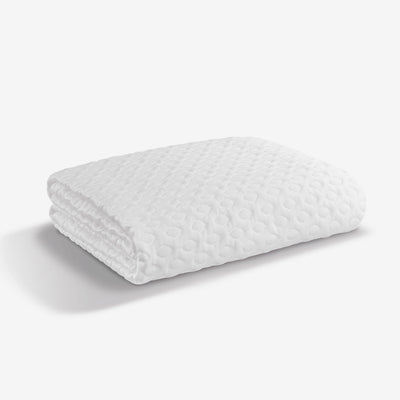


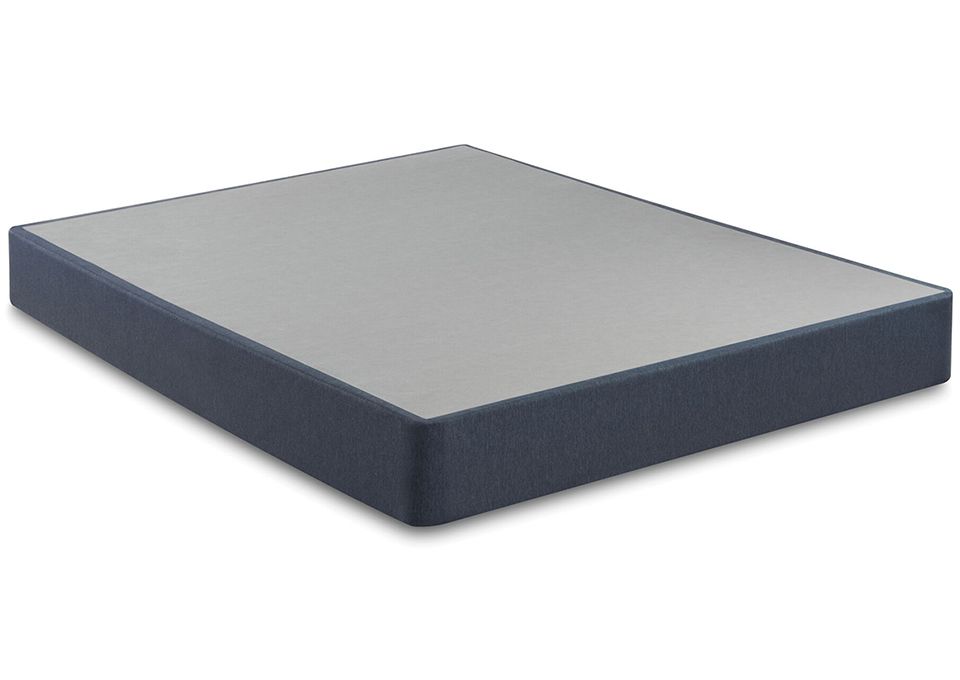
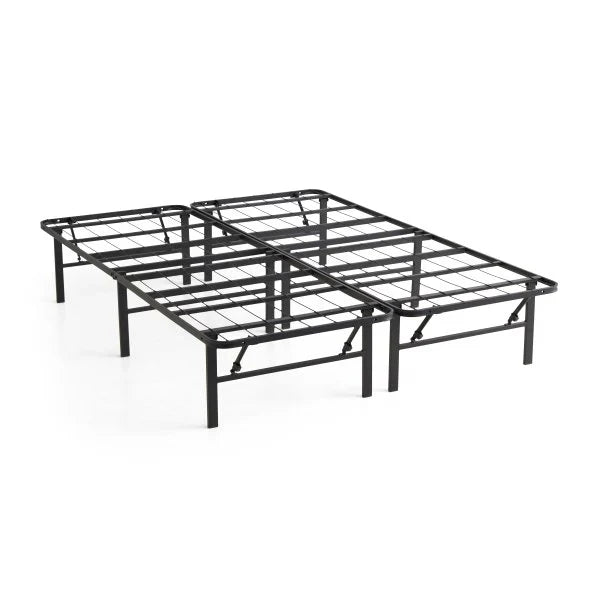
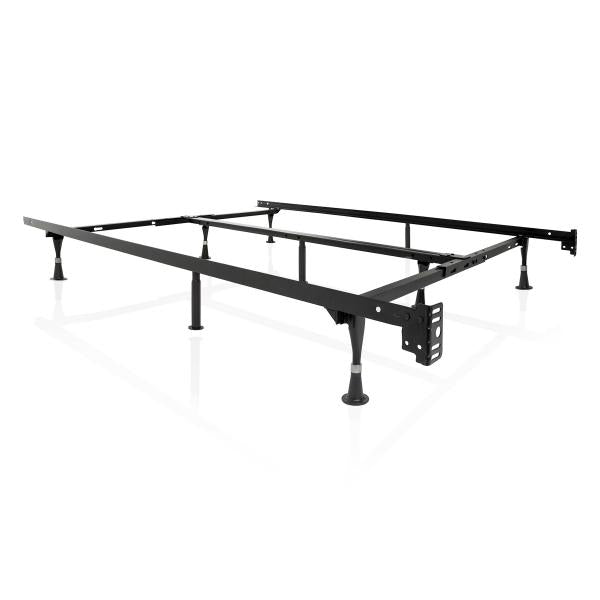

Ever felt like you're sleeping on a trampoline every time your partner moves? The secret to a calm, still surface isn't magic—it's mattress motion isolation. This is the feature that allows a mattress to absorb energy, stopping movement from traveling from one side of the bed to the other. It’s the difference between sleeping soundly through your partner’s tossing and turning and being woken up by their every move. The materials and construction of the bed, from dense memory foam to pocketed coils, play a huge role in how well it performs. Finding the right one is crucial for undisturbed sleep.
Key Takeaways
- Focus on the right materials: Memory foam is excellent at absorbing movement, making it perfect for light sleepers, while hybrid mattresses use independent coils to keep motion from traveling across the bed.
- Shop together and test thoroughly: A mattress needs to work for both of you, so consider factors like firmness, edge support, and cooling. Test options in person and use a home sleep trial to confirm it’s the right fit for your shared needs.
- Give yourselves more space: A larger mattress, like a Queen or King, creates a natural buffer that reduces motion transfer. For a truly disturbance-free setup, a split king with an adjustable base provides two completely independent sleep surfaces.
What Is Mattress Motion Isolation (and Why It Matters)?
Have you ever been jolted awake by your partner rolling over, your child climbing into bed, or your dog repositioning itself at your feet? If so, you’ve experienced poor motion isolation firsthand. Simply put, motion isolation is a mattress’s ability to absorb movement in one spot so it doesn’t ripple across the entire bed. When a
This feature is a total game-changer for anyone who shares a bed. Light sleepers, in particular, find that a mattress with strong motion isolation leads to deeper, more restorative sleep because there are fewer disturbances throughout the night. It’s the key to sleeping peacefully next to a restless partner. Instead of waking up every time they adjust, you can both stay sound asleep.
The secret to great motion isolation often lies in the materials used to construct the mattress. Materials like memory foam are fantastic at absorbing energy and stopping movement in its tracks. Innerspring mattresses, on the other hand, can sometimes create a chain reaction of bounces. Understanding this one feature can make a huge difference in finding a bed that brings harmony back to your bedroom, ensuring everyone wakes up feeling refreshed and ready for the day.
The Science of Undisturbed Sleep
To really get why motion isolation is so important, it helps to understand what’s happening inside your mattress when someone moves. Every toss, turn, or late-night trip to the kitchen creates kinetic energy. A mattress has to do something with that energy. Some designs allow it to travel freely, creating a wave of movement that can easily disturb a sleeping partner. Others are specifically engineered to absorb that energy right where it happens, stopping it from spreading. This isn't just a fancy feature; it's the science behind a truly peaceful and shared sleep experience, ensuring one person's restlessness doesn't ruin the other's night.
How Motion Travels Through a Mattress
So, what does it mean for a mattress to stop movement from spreading? Motion isolation is simply a measure of how well a bed can absorb impact and prevent it from transferring across the sleep surface. Think of it this way: if your partner gets out of bed, a mattress with poor motion isolation will cause your side to dip and bounce. On the other hand, a mattress with excellent motion isolation will keep your side of the bed stable and still. The materials are the key players here. Dense foams and individually wrapped coils are designed to compress only where pressure is applied, effectively creating a buffer against any movement.
Why Less Movement Means Deeper Sleep
The connection between movement and sleep quality is direct. Every time you’re jostled by a restless partner, your body registers a disturbance, even if you don't fully wake up. These micro-awakenings can pull you out of deep, restorative sleep cycles, leaving you feeling tired and groggy in the morning. A mattress with good motion isolation means you won't be woken up by your partner’s movements. The bed won't bounce, and you'll get better, less interrupted sleep. This allows both of you to move through your natural sleep stages without interruption, leading to a more restful night and a happier morning for everyone involved.
Which Mattresses Are Worst for Motion Isolation?
While modern mattress technology has come a long way, some classic designs are still notorious for their lack of motion isolation. If you've ever felt like you were on a boat every time your partner rolled over, chances are you were sleeping on a mattress with a highly connected internal structure. These beds tend to transfer energy across the entire surface rather than absorbing it locally. Recognizing which types of mattresses are prone to this issue is the first step toward finding a solution that will keep your sleep smooth and steady, no matter how much your partner moves.
The Problem with Traditional Innerspring Coils
When it comes to motion isolation, traditional innerspring mattresses are often the worst offenders. The issue lies in their construction; these mattresses use a network of interconnected coils, where each spring is wired to its neighbors. While this design can provide firm support, it also means that when one spring compresses, it pulls on the surrounding ones, sending a ripple of motion across the entire bed. This is why a simple movement on one side can feel like a seismic event on the other. If you're a light sleeper sharing the bed, this constant transfer of movement can be a major source of sleep disruption, unlike modern Helix mattresses that use individually pocketed coils.
The Added Benefit of Noise Reduction
Beyond just feeling the movement, you can often hear it, too. Squeaky springs and creaky frames can be just as disruptive as a bouncing mattress. The good news is that the same materials that excel at motion isolation also tend to be much quieter. Materials like memory foam and the pocketed coils found in modern hybrid mattresses are generally quieter than older innerspring models because they don't have metal-on-metal contact points that create noise. A quiet bed is a crucial component of a peaceful sleep environment. Pairing it with the right bedding can create a true sanctuary for sleep, helping you drift off without any distracting sounds.
Memory Foam or Hybrid: Which Wins for Motion Isolation?
If you share a bed, you know the struggle. Your partner tosses and turns, and suddenly you’re wide awake, feeling every little movement. This is where motion isolation comes in. It’s a mattress’s ability to absorb movement in one area so it doesn’t transfer across the entire bed. When you’re shopping for a new mattress, you’ll likely find yourself comparing two main players: memory foam and hybrid.
Both types are fantastic at minimizing motion transfer, but they achieve it in different ways. Memory foam mattresses are known for their deep, contouring feel that absorbs movement, while hybrid mattresses combine foam layers with individually wrapped coils to localize motion. There isn't a single "best" choice for everyone; it really comes down to your personal sleep preferences. Understanding how each type works will help you and your partner find the perfect mattress for peaceful, undisturbed nights in your Katy home.
How Memory Foam Stops Motion in Its Tracks
Think of memory foam as a sponge for movement. Its dense, viscoelastic structure is engineered to absorb energy and cradle your body. When your partner rolls over or gets out of bed, the foam compresses directly under them without sending a ripple effect to your side. This superior motion dampening makes memory foam an incredible choice for light sleepers who are easily disturbed. If you want to feel completely isolated from your partner’s movements, a memory foam mattress can create that quiet, still surface you’re looking for.
A Note on Responsiveness and "That Sinking Feeling"
While memory foam’s ability to absorb movement is incredible, it can sometimes come with a trade-off: responsiveness. This refers to how quickly the mattress surface bounces back after you move. For some sleepers, the slow-contouring nature of traditional memory foam can create a “sinking feeling,” making it feel like a bit of an effort to change positions. If you want excellent motion control but also prefer a bed with a little more bounce, a hybrid mattress is the perfect compromise. By combining foam layers with individually pocketed coils, hybrids offer the pressure relief and motion isolation of foam along with the responsive support of an innerspring system, so you never feel stuck.
How Hybrids Balance Bounce and Motion Control
Hybrid mattresses offer a different approach to motion isolation. They combine the benefits of foam with an advanced coil system. Unlike traditional innerspring mattresses where the coils are all connected, hybrids use pocketed coils. Each spring is individually wrapped in fabric, allowing it to move independently. So, when your partner moves, only the coils directly beneath them compress. This design keeps movement localized and prevents it from traveling across the bed. A Helix mattress, a popular hybrid option, gives you that motion-stopping power along with a bit more bounce and airflow than an all-foam bed.
What About Latex Mattresses?
So, where does latex fit into the motion isolation picture? It’s another fantastic choice, especially if you’re looking for something a little different from memory foam. Latex mattresses are known for being more responsive and bouncy, but don’t let that fool you—they are still amazing at dampening movement. The natural elasticity of latex absorbs motion effectively, so you’re much less likely to feel your partner shifting during the night. It’s why you’ll often find latex mattresses are highly recommended for stopping movement from transferring across the bed. For sleepers in Richmond who want that perfect balance of motion control with a touch of buoyant support, a latex mattress could be the ideal solution for an undisturbed night.
Motion Isolation Myths We're Busting
Let’s clear up a few things. A common myth is that any mattress with springs will transfer motion, but that’s only true for old-school innerspring beds. Modern hybrids with pocketed coils are a completely different story and are excellent for couples. Another point to consider is that mattresses with exceptional motion isolation, like pure memory foam, tend to be less bouncy. For some, this can make it a little harder to change positions during the night. It’s a small trade-off for undisturbed sleep, but it’s something to keep in mind when you’re testing out options in our Rosenberg or Richmond showrooms.
Our Top Mattress Picks for Zero Motion Transfer
If you’ve ever been woken up by a partner who tosses and turns, you know how frustrating a shared bed can be. The good news is that the right mattress can solve this problem completely. We’ve sorted through our collection to find the best motion-isolating mattresses for our customers in Katy, Richmond, and Rosenberg. These beds are designed to absorb movement, so you can sleep soundly even if your partner is having a restless night. Let’s find the perfect mattress to bring peace back to your bedroom.
Best Overall for Undisturbed Sleep
A motion isolation mattress is specifically engineered to absorb movement and stop it from transferring across the bed. According to the Sleep Foundation, this design is "ideal for couples and restless sleepers." When your partner gets in or out of bed, or simply rolls over, the mattress contains that motion to their side. This means you’re less likely to be disturbed, leading to deeper, more restorative sleep. For anyone who shares a bed with a person, a pet, or even kids who sneak in at night, this feature is a true game-changer for your sleep quality. Explore our full collection of mattresses to see the options.
Our Favorite Memory Foam Mattresses
When it comes to stopping motion in its tracks, memory foam is the undisputed champion. Its unique properties give it what the Sleep Foundation calls “superior motion dampening” because it’s so effective at absorbing energy. Instead of letting movement ripple across the surface, memory foam contours to the body and contains the motion right where it happens. A fantastic choice is the Nectar Luxe Mattress, which Mattress Clarity names a best overall mattress for couples specifically because it's great at stopping motion from spreading. If you’re a light sleeper, a memory foam mattress can make all the difference.
Our Favorite Hybrid Mattresses
You don’t have to give up the responsive feel of an innerspring mattress to get great motion isolation. The key is to choose a hybrid mattress with the right kind of coils. Hybrids with individually wrapped, or pocketed, coils are excellent choices because each spring moves independently, preventing a wave of motion from traveling across the bed. A standout in this category is the Helix Dusk Luxe, a top hybrid choice praised for both its cooling properties and its impressive motion isolation. It offers the perfect blend of supportive coils and cushioning foam, so you and your partner can both sleep comfortably all night long.
How Much Do Mattresses with Motion Isolation Cost?
When you start shopping for a new mattress, it’s easy to think a higher price tag guarantees better quality. While that’s often true for materials and durability, it doesn’t always mean you’ll get the best motion isolation. The good news is that you can find a fantastic mattress that lets you and your partner sleep soundly, no matter your budget. It’s all about knowing what to look for at each price point.
The key is to find the right balance between cost and features. A mattress is an investment in your well-being, so it’s worth finding one that truly meets your needs. Whether you’re looking for an affordable starter mattress or a luxurious sleep system, we have options for every couple in Katy, Richmond, and Rosenberg. Let’s walk through what you can expect to find at different budget levels so you can make a choice you feel great about.
Best on a Budget: Under $1,000
It is absolutely possible to find a comfortable and supportive mattress for under $1,000. However, if motion isolation is your top priority, you’ll need to shop carefully in this price range. Some budget-friendly hybrid models, like the Brooklyn Bedding Signature Hybrid, offer great features like cooling but may fall short on motion isolation. This means you’re more likely to feel your partner’s every toss and turn. For couples on a tight budget, all-foam mattresses often provide better motion absorption than their hybrid counterparts at this price point. Just be sure to read the fine print and reviews to ensure it delivers the peaceful sleep you’re looking for.
The Sweet Spot for Value: $1,000–$2,000
This price range is often the sweet spot for couples. Here, you’ll find high-quality mattresses that masterfully balance comfort, support, and motion isolation without requiring a huge investment. Mattresses in this category typically use more advanced foams and sophisticated coil systems designed to minimize motion transfer. For example, the Helix Mattress line, particularly models like the Dusk Luxe, excels in this area. It offers fantastic motion isolation along with premium features like zoned lumbar support and excellent edge support, ensuring both partners sleep undisturbed. You get durable construction and thoughtful design that directly addresses the needs of couples.
The Luxury Investment: Over $2,000
When you invest over $2,000 in a mattress, you’re paying for premium materials, cutting-edge technology, and a truly luxurious feel. However, a higher price doesn’t automatically equal zero motion transfer. Some luxury mattresses, like the Saatva Classic, are intentionally designed with more bounce, which can be a drawback for light sleepers. In contrast, other high-end models like the Nolah Evolution are built to feel like a five-star hotel bed, excelling at both comfort and motion isolation. If you’re investing in a luxury mattress, consider pairing it with one of our adjustable bases to create a personalized sleep sanctuary for you and your partner.
Beyond Motion Isolation: What Else to Consider
Finding a mattress with great motion isolation is a huge win for couples, but it’s only one piece of the puzzle. To truly get restful, uninterrupted sleep, you’ll also want to consider a few other key features. The right balance of firmness, edge support, and cooling technology will ensure your new bed is comfortable and supportive for both of you, night after night. Think of it like this: motion isolation stops you from waking each other up, but these other elements are what keep you comfortable while you’re asleep. When you and your partner have different sleep styles or preferences, these details become even more critical. A mattress that keeps you both cool, supported from edge to edge, and comfortable in any position is the ultimate goal. Let’s look at what else makes a mattress perfect for sharing.
Does Mattress Firmness Affect Motion Transfer?
The firmness of a mattress directly impacts how it handles movement. While softer memory foam is fantastic at absorbing motion, it can sometimes feel less bouncy. For some, this can make it a bit harder to change positions during the night. It’s all about finding a happy medium. You want a mattress that’s plush enough to prevent you from feeling every toss and turn, but also responsive enough to move around on easily. Think about your personal sleep styles and preferences to find the right balance of comfort and support for your shared bed. Our collection of mattresses offers a wide range of firmness levels to suit any couple.
Why Edge Support and Durability Also Matter
Have you ever felt like you were about to roll off the side of the bed? That’s a sign of poor edge support. For couples, strong edges are non-negotiable. Good edge support means the entire surface of the mattress is usable, giving you both more room to spread out comfortably. If one of you tends to sleep near the edge, a reinforced perimeter prevents sagging and ensures you feel secure all night long. This feature also speaks to the mattress’s overall durability, helping it maintain its shape and support for years to come. A quality Helix Mattress, for example, is built with reinforced edges for lasting stability.
Responsiveness: The Key to Easy Movement
While a mattress that completely absorbs motion sounds ideal, there can be a slight trade-off. Some ultra-plush memory foams, while amazing at stopping motion transfer, can make you feel a bit "stuck." This is where responsiveness comes in. It refers to how quickly a mattress adapts to your movements. You want a bed that’s plush enough to isolate your partner’s tossing and turning but also bouncy enough to let you change positions without a struggle. Finding this happy medium is crucial, especially for combination sleepers. The perfect mattress for couples allows for easy movement while still providing that peaceful, undisturbed sleep you both deserve.
Zoned Support for Partners with Different Needs
What if you and your partner have completely different ideas of comfort? This is where zoned support technology becomes a relationship-saver. Some of the best mattresses are engineered to be firmer in certain areas (like under the lower back and hips) and softer in others (like the shoulder area). This design is particularly beneficial for couples, as it can accommodate different body types and sleep preferences on the same surface. A Helix mattress, for example, uses this technology to provide targeted pressure relief and support right where each of you needs it most, promoting better spinal alignment for both back and side sleepers.
Finding a Mattress That Also Keeps You Cool
Sharing a bed means sharing body heat, which can quickly lead to an uncomfortably warm sleep environment. Two people naturally generate more heat than one, making temperature regulation a top priority. Look for mattresses with built-in cooling features designed to dissipate heat and promote airflow. Hybrid models with breathable coil systems are a great option, as are memory foams infused with cooling gel or copper. The right mattress will help you both stay cool and comfortable. You can also enhance your setup with cooling pillows and breathable mattress protectors for an even better sleep experience.
How Can You Test a Mattress for Motion Isolation?
You’ve probably been there. You’re sound asleep when your partner rolls over, and suddenly your side of the bed feels like it’s riding a wave. That jolt of movement is exactly what motion isolation is designed to prevent. In simple terms, motion isolation is a mattress’s ability to absorb movement on one side so it doesn’t transfer to the other. It’s one of the most important features for couples who share a bed, especially if one of you is a light sleeper or tends to toss and turn. A mattress with great motion isolation means you can sleep peacefully, even if your partner has a completely different sleep schedule or is a restless sleeper.
But how can you tell if a mattress will actually deliver on its promise of undisturbed sleep? Reading reviews is a great start, but the only way to know for sure is to test it yourself. This process has two key parts: a quick test in the showroom to narrow down your options and a longer trial period at home to confirm you’ve made the right choice. Thinking through how you'll test a mattress ahead of time can make your shopping experience much more effective. Putting a mattress through its paces is the best way to ensure you and your partner will get the peaceful, deep sleep you both deserve.
How We Evaluate Mattresses at Mattress on Demand
Here at Mattress on Demand, we know that finding the right mattress is about more than just comfort—it’s about getting uninterrupted sleep. That’s why our evaluation process for motion isolation is so thorough. We start by looking at the core of what makes a mattress great at stopping movement: its materials. The secret to great motion isolation often lies in the materials used, so we carefully assess how different types, like memory foam and hybrids, are constructed. We compare how memory foam’s dense structure absorbs energy versus how a hybrid’s pocketed coils work to localize movement. Our goal is to understand exactly how each mattress will perform in a real-world bedroom, ensuring our customers in Richmond, Katy, and Rosenberg get the deeper, more restorative sleep they deserve.
Our Expert Testing and Rating System
We believe the only way to truly know if a mattress has good motion isolation is to test it. Our expert rating system is built on a hands-on approach. We assess each mattress’s ability to absorb movement so it doesn’t ripple across the bed. During our evaluation, we simulate real-life scenarios, like a partner getting in and out of bed, to see how much motion is transferred from one side to the other. We pay close attention to the construction, noting whether the bed uses high-density memory foam or independently moving pocketed coils, like those found in a Helix mattress. This practical testing allows us to confidently recommend options that will help you and your partner sleep peacefully through the night.
Easy Ways to Test for Motion in the Showroom
When you visit our showrooms in Katy, Richmond, or Rosenberg, bring your partner along, because testing for motion isolation is a team sport. Once you find a mattress that feels comfortable, it’s time to put it to the test. Have one person lie down on their back and close their eyes. The other person should then move around on their side of the bed. Try rolling over, shifting from your back to your side, and even getting on and off the mattress.
Then, switch roles. The goal is to see how much of that movement you can feel. A mattress with good motion isolation will absorb most of the motion, so you barely notice your partner moving. Our team can guide you toward different types of mattresses, like memory foam or hybrids with pocketed coils, which are known for performing well in this area.
Try the Water Glass Test
For a fun and visual demonstration, try the classic water glass test. Just place a glass of water on one side of the mattress while your partner gets on and off the bed or rolls around on the other side. If the water stays calm, you’ve found a winner. This simple experiment shows how well a mattress can absorb movement, which is key for couples. After all, “a mattress with good motion isolation will absorb most of the motion, so you barely notice your partner moving.” This is where different materials prove their worth. Memory foam mattresses are known for their deep, contouring feel that absorbs energy, while the individually wrapped coils in a hybrid mattress work to localize it, both helping you achieve that undisturbed rest.
Getting the Most Out of Your Sleep Trial
A five-minute test in a showroom is a great way to get a first impression, but it can’t fully replicate a real night’s sleep. That’s where a sleep trial comes in. A sleep trial gives you the chance to try out a mattress in your own home for an extended period. This is your opportunity to see how the mattress performs night after night, through restless evenings and peaceful ones.
Does your partner’s 2 a.m. bathroom break still wake you up? Can you finally sleep through their tossing and turning? A sleep trial removes the guesswork and gives you confidence in your investment, ensuring the mattress you choose is the perfect fit for your shared space.
Your Sleep Trial: What to Watch For
Once your new mattress is home, pay close attention to how it feels over the first few weeks. Are you still feeling your partner’s every move, or are you sleeping more soundly through the night? Beyond that, consider the trade-offs. Mattresses that excel at isolating motion, like many memory foam models, can sometimes feel less bouncy. This can make it a little more difficult to change positions if you tend to move around a lot in your sleep.
This reduced bounce can also affect how responsive the mattress feels during intimate moments, which is an important consideration for many couples. The goal is to find the right balance for your needs. You want a mattress that minimizes disturbances without making you feel stuck. It’s all about finding what works for your sleep, your comfort, and your life together.
Does Mattress Size Affect Motion Isolation?
Yes, the size of your mattress plays a significant role in how well it isolates motion. While the materials and construction are the stars of the show, size is the stage they perform on. A bigger stage gives movement more room to spread out and fade away before it reaches your side of the bed.
Think of it this way: the closer you are to your partner, the more likely you are to feel them toss and turn. A larger mattress simply puts more distance between you. For many couples, a Full-size bed can feel cramped, meaning every little adjustment is easily felt. Upgrading to a Queen provides a noticeable improvement, giving each person more personal space to sleep soundly.
A Queen is often the go-to for couples, but if one of you is a particularly light or restless sleeper, a King-size mattress can be a true relationship saver. That extra 16 inches of width compared to a Queen creates a significant buffer zone. This means your partner’s 2 a.m. repositioning is far less likely to disrupt your sleep cycle. The best mattresses for motion isolation become even more effective when you have more surface area to work with.
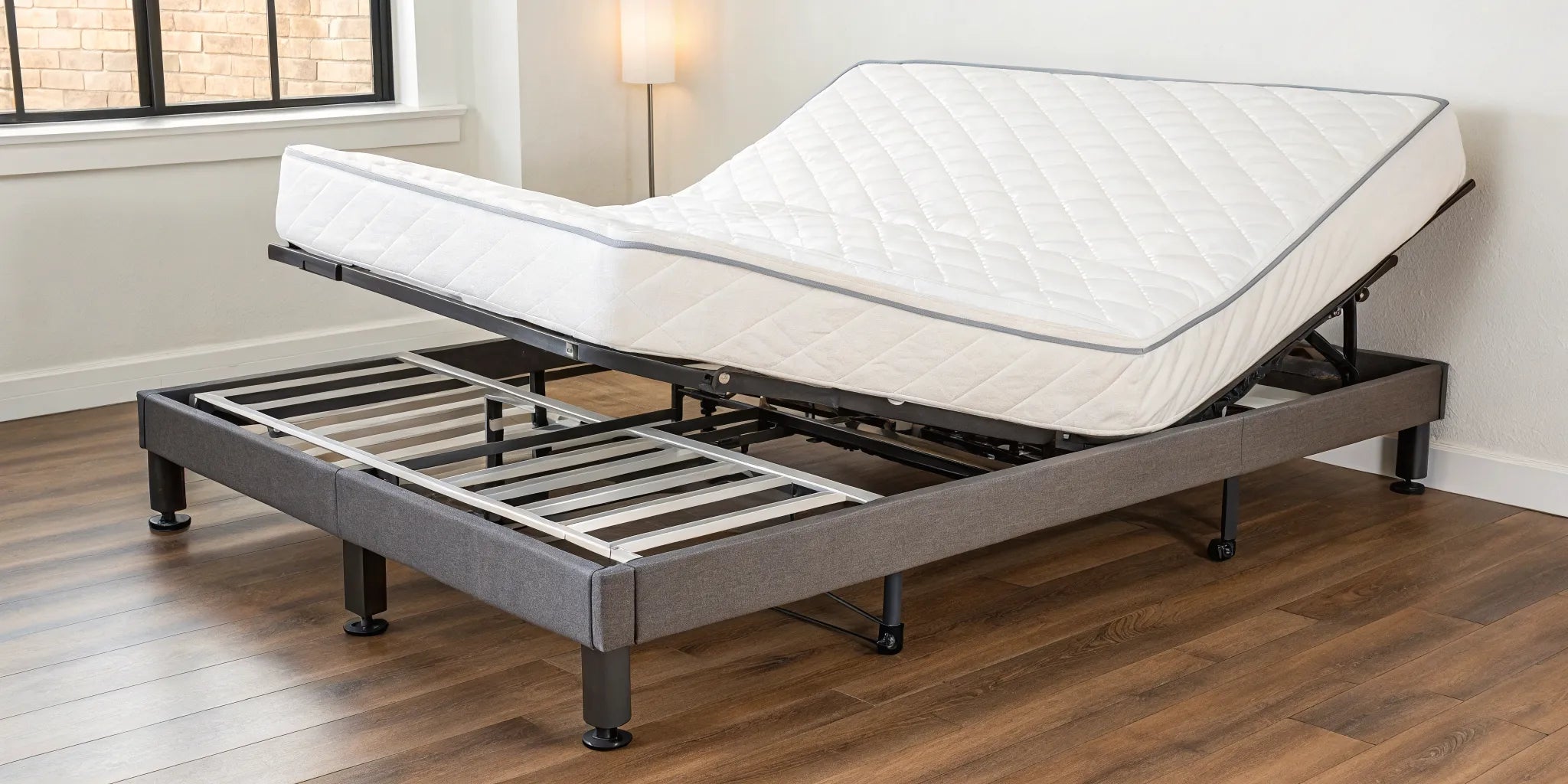
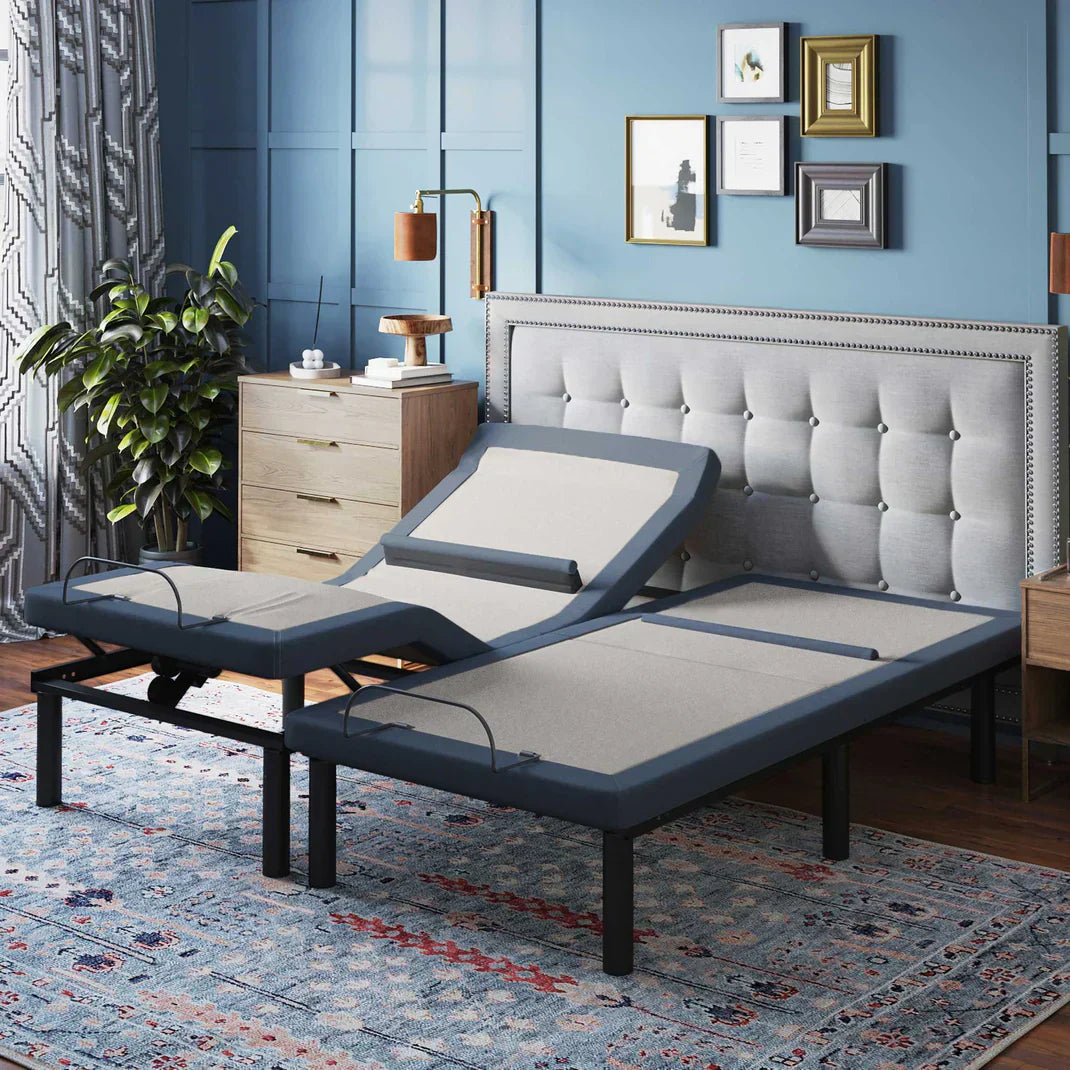
For the ultimate in motion isolation, you can pair two Twin XL mattresses on a split King adjustable base. This setup creates two completely independent sleep surfaces, so you won’t feel any of your partner’s movements. It’s a fantastic solution for couples with very different sleep schedules or sensitivities. Ultimately, choosing a larger size gives the motion-absorbing materials in your mattress the best possible chance to do their job, ensuring you both get a peaceful night's rest.
How Much Space You Get Per Person
It’s one thing to talk about mattress sizes, but it’s another to visualize what that space actually means for you and your partner. Breaking down the dimensions into personal space per person can be a real eye-opener. When you see the numbers, it becomes clear why upgrading from a Full to a Queen, or a Queen to a King, can dramatically improve your sleep quality. More space doesn't just mean more room to stretch out; it creates a natural buffer that helps isolate motion. Let's look at exactly how much room you get with each of the most common mattress sizes for couples.
Full Size: ~27 inches per person
When you share a Full-size mattress, each person gets about 27 inches of personal space. To put that into perspective, a standard baby crib mattress is also 27 inches wide. While that’s plenty of room for an infant, it’s an incredibly tight squeeze for two grown adults. With so little space between you, it’s nearly impossible not to feel every single toss, turn, and adjustment your partner makes throughout the night. This is why a Full bed is often a better choice for a single sleeper who wants a bit more room than a Twin, rather than for a couple hoping for restful, undisturbed sleep.
Queen Size: ~30 inches per person
Upgrading to a Queen gives each person about 30 inches of space. Those extra three inches per person might not sound like a lot, but they make a world of difference in comfort and motion isolation. That little bit of extra breathing room is often enough to stop you from feeling your partner’s smaller movements, which is why the Queen is the most popular mattress size for couples. It’s a fantastic choice that fits well in most bedrooms in the Katy area. For many, it’s the perfect middle ground, offering a significant improvement in sleep quality over a Full without taking up as much space as a King.
King Size: ~38 inches per person
A King-size mattress is the ultimate solution for couples who prioritize personal space. With a King, each person gets a luxurious 38 inches of width—the exact same amount of space you’d have if you were sleeping alone on a Twin XL mattress. This generous buffer zone is a true game-changer for motion isolation. The sheer distance between you and your partner means their movements are far less likely to disturb you. For the ultimate in personalized comfort, you can even create a split King using two Twin XL mattresses on separate adjustable bases, creating two completely independent sleep zones.
Can an Adjustable Base Help with Motion Isolation?
Yes, an adjustable base can be a game-changer for motion isolation, especially when paired with the right mattress. While a quality motion-isolating mattress does a lot of the heavy lifting, an adjustable base takes it to the next level. The ultimate solution for couples is combining an adjustable base with a split king mattress, which is essentially two separate Twin XL mattresses side-by-side. This setup creates two completely independent sleep surfaces, stopping motion transfer in its tracks.
With a split king, your partner’s movements are contained entirely on their side of the bed. This means you can sleep soundly even if they toss and turn or get up in the middle of the night. The best part is the personalized comfort. You and your partner gain independent control over your own sleep positions. If you want to elevate your head to read while your partner sleeps flat, you can do so without disturbing them at all.
Beyond just minimizing the feeling of movement, an adjustable base can help with other common sleep disruptions. For instance, slightly elevating the head can help open airways, which may reduce snoring for some people. This small adjustment can lead to a much quieter and more restful night for both of you. It’s about creating a sleep environment that’s tailored to each person’s individual needs.
If you’re looking to build a truly customized and disturbance-free sleep setup, exploring our range of adjustable bases is a great next step. Stop by one of our stores in Katy, Richmond, or Rosenberg, and we can walk you through how different combinations work to provide unparalleled comfort and motion isolation for you and your partner.
Related Articles
- What Is Motion Isolation in a Mattress Explained
- 5 Mattresses with Good Motion Isolation for Couples
- Hybrid vs. Memory Foam Mattress: 7 Key Differences
Frequently Asked Questions
If I'm a very light sleeper, should I choose memory foam or a hybrid mattress? If you wake up at the slightest movement, memory foam is likely your best bet. Its dense structure is unmatched when it comes to absorbing energy and stopping motion completely. However, a high-quality hybrid mattress with individually pocketed coils does an excellent job, too. Hybrids also offer a bit more bounce and airflow, which some people prefer. The best choice really comes down to whether you want to feel absolutely nothing or prefer a bed with a more responsive feel.
Does a firmer mattress mean better motion isolation? Not necessarily. The ability to isolate motion has more to do with a mattress's materials and construction than its firmness level. For example, a soft memory foam mattress will almost always absorb movement better than a very firm, traditional innerspring mattress. The key is to look for materials like foam or features like pocketed coils, which are specifically designed to prevent motion from traveling across the bed.
Is motion isolation the only feature couples should look for? While it's a huge factor for sleeping peacefully, it's not the only one. You should also pay close attention to edge support and temperature regulation. Strong edge support gives you both more usable surface area so you don't feel like you're rolling off the side. And since two people generate more body heat, a mattress with cooling features will help you both stay comfortable all night long.
Will a bigger mattress like a King really make a difference? Yes, it absolutely will. While the mattress materials do the work of absorbing motion, a larger surface area creates more physical distance between you and your partner. That extra space acts as a natural buffer, making it much less likely that you'll feel movement from the other side. Upgrading from a Queen to a King can be a true game-changer for light sleepers.
Can an adjustable base solve motion transfer problems on its own? An adjustable base is a fantastic tool, but it works best as part of a system. It won't fix a mattress that has poor motion isolation. However, it can create the ultimate solution when you pair it with a split king mattress. This setup gives you two separate Twin XL mattresses on one frame, creating completely independent sleep zones. This means motion on your partner's side physically cannot transfer to yours.
Optimizing Your Entire Sleep Setup
A great mattress is the foundation of a good night's sleep, but it's not the only thing that matters. To create a truly peaceful sleep environment for you and your partner, you need to look at the entire setup. The base your mattress rests on, the size of your bed, and even your choice of bedding all play a role in how well you sleep together. A mattress with great motion isolation means you can sleep peacefully, even if your partner has a completely different sleep schedule or is a restless sleeper. By optimizing each component, you can build a sleep sanctuary that minimizes disturbances and maximizes comfort for both of you.
The Importance of a Supportive Bed Base
Your mattress can’t do its job without a solid foundation. A supportive bed base is essential for helping your mattress perform at its best, especially when it comes to motion isolation. A weak or mismatched base can cause the mattress to sag, which can actually make motion transfer worse. On the other hand, a high-quality base provides a stable surface that allows the mattress’s foam or coils to absorb movement effectively. For an even better experience, consider an adjustable base. It not only provides excellent support but also allows for customized positions that can reduce snoring and other sleep disruptions, leading to a quieter night for everyone.
For Maximum Isolation: The Split King Setup
If you or your partner are extremely light sleepers, a split king setup is the ultimate solution for motion isolation. This configuration involves placing two Twin XL mattresses side-by-side on a split King adjustable base. This creates two completely separate and independent sleep surfaces. When your partner moves, their motion is entirely contained on their side of the bed—it physically cannot transfer to yours. This setup is a game-changer for couples with different sleep schedules, preferences, or sensitivities. You both get the freedom to adjust your position without disturbing the other, ensuring a truly uninterrupted night's sleep.
Consider Separate Bedding
Once you’ve sorted out your mattress and base, turn your attention to the top layers. Sharing a bed means sharing body heat, and two people generate more warmth than one. While a mattress with cooling features is a great start, you can also improve temperature regulation by using separate blankets. This simple change eliminates the nightly tug-of-war and allows each person to choose a blanket weight that’s comfortable for them. You can also enhance your setup with cooling pillows and a breathable mattress protector to ensure you both stay comfortable all night long.
A Holistic Approach to Sleeping Better Together
Finding the right mattress is a technical decision, but it’s also a personal one that affects your relationship. A bed that works for both of you can reduce nighttime friction and lead to happier mornings. It’s about more than just finding a mattress that stops motion; it’s about creating a shared space where both partners feel rested and cared for. This requires not only the right products but also open communication and a willingness to find a solution that meets both of your needs. When you approach mattress shopping as a team, you’re investing in better sleep and a more harmonious partnership.
How a Better Mattress Can Help a Restless Partner
If you sleep next to a restless partner, you know the struggle. But have you ever considered that their mattress might be part of the problem? A bed that lacks proper support or causes them to overheat can contribute to tossing and turning. For light sleepers, a mattress with strong motion isolation leads to deeper, more restorative sleep because there are fewer disturbances throughout the night. By providing a comfortable and supportive surface that also absorbs movement, you’re not just solving your problem—you might be helping them sleep more soundly, too. It’s a win-win that leads to more peaceful nights for both of you.
The Importance of Communicating Your Sleep Needs
Before you even step into one of our showrooms in Katy, Richmond, or Rosenberg, the most important step is to talk to each other. Discuss what you both need to sleep well. Does one of you sleep hot? Does the other need extra firm support for their back? Being open about your preferences is key. The ultimate goal is to find a mattress that keeps you both cool, supported from edge to edge, and comfortable in any position. Shopping for a Helix mattress or any other bed together is a team effort, and clear communication will make the process smoother and ensure you both end up happy with your choice.