


 Hybrid
 Individual Pocketed Coil
 Foam
Foam Open Coil
 Latex
Latex


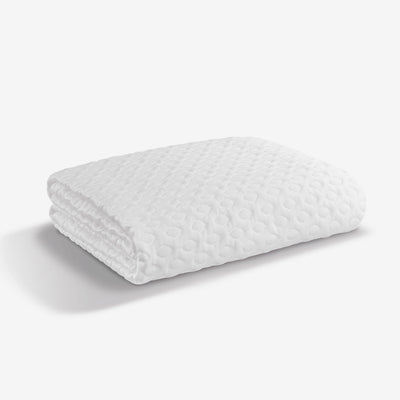


Think of your favorite cozy sweater. You love how it feels, but sometimes it just gets too warm. Your mattress can be the same way—perfectly comfortable, but a little too good at trapping heat. A cooling mattress pad acts like a breathable base layer you’d wear underneath that sweater. It lets you keep the comfort and support of the mattress you already own while adding a crucial layer of temperature-regulating technology. It’s a simple upgrade that works with your bed, not against it, to help you finally stop overheating and get the deep sleep you deserve.
You don’t always need to buy a brand-new mattress to get a better night’s sleep. If you love your current bed but find it sleeps a little too warm, a cooling pad is the perfect upgrade. Unlike a simple mattress protector that only guards against spills, a cooling pad adds a layer of advanced comfort designed to manage temperature. It works with your existing mattress to create a cooler, more breathable surface. For many people, finding the best cooling mattress topper is the most cost-effective way to solve overheating issues, giving an older mattress a new lease on life and making a new one feel even more luxurious.
Key Takeaways
- Prioritize cooling technology over marketing hype: A pad's effectiveness comes from its materials, not just its name. Look for proven technologies like gel-infused foam, breathable latex, or graphite infusions that actively draw heat away from your body for all-night comfort.
- Select a pad that supports your sleep position: Your comfort is personal, so choose a pad that matches how you sleep. Side sleepers need a softer, thicker pad to cushion pressure points, while back and stomach sleepers require a firmer surface to keep their spine properly aligned.
- Look for practical features that ensure longevity: A secure fit is non-negotiable, so find a pad with deep pockets or strong anchor bands to prevent shifting. Following simple care instructions will also help maintain its cooling power and extend its life.
Do Cooling Mattress Pads Really Work?
If you’ve ever kicked off the covers in the middle of a Texas night, you’ve probably asked yourself this exact question. It’s easy to be skeptical of products that promise to solve the age-old problem of sleeping hot. But for many people, a high-quality cooling pad is one of the best investments they can make for their sleep. The short answer is yes, they are absolutely worth it if you consistently find yourself overheating.
So, how do they actually work? It’s not magic, it’s just smart materials. Cooling pads are specifically designed with technologies that draw heat away from the sleeper. Materials like gel-infused memory foam, graphite, or natural latex are excellent at absorbing and dispersing your body heat, preventing it from getting trapped around you. This process helps regulate your body temperature and provides significant relief for anyone who struggles with night sweats.
The real goal is to improve your sleep quality. When your body isn't fighting to cool itself down, you’re less likely to toss and turn or wake up during the night. A cooling pad can be a game-changer if your current mattress sleeps a bit too warm, or if you naturally run hot. While upgrading your mattresses is always an option, adding a cooling layer is a fantastic way to enhance the comfort you already have.
Think of a cooling pad as one essential part of creating your ideal sleep environment. Experts often suggest keeping your bedroom between 63 and 67 degrees, but that’s not always practical or budget-friendly. A cooling pad works with your body to create a comfortable microclimate, helping you stay cool even if the room is a little warmer. Paired with breathable bedding, it can make a world of difference in getting a full, uninterrupted night’s rest.
Our Top-Rated Cooling Pads for Hot Sleepers
Waking up in the middle of the night feeling overheated is one of the most common sleep disruptions. If you’re tired of kicking off the covers, a cooling mattress pad might be the perfect fix. These pads are designed to go right on top of your existing mattress, adding a layer of comfort specifically engineered to regulate temperature and prevent heat from building up around your body. Unlike a simple mattress protector, which primarily guards against spills and allergens, a cooling pad uses advanced materials to actively draw heat away, helping you stay comfortable all night long.
Finding the right one can feel overwhelming with so many options out there. But it really comes down to your personal preferences and sleep style. Whether you love the feel of memory foam, prefer natural materials, or want the latest in cooling technology, there’s a pad that can transform your sleep experience. Think of it as an upgrade for the mattress you already own, giving you a cooler, more restful night without a huge investment. For residents in Katy, Richmond, and Rosenberg, finding a solution to the Texas heat is key, and a cooling pad can make a world of difference in your sleep quality, especially during those warm nights.
Our Favorite Pad for a Cooler Night's Sleep
To help you find your perfect match, we’ve broken down our favorite types of cooling pads based on what you might be looking for. From the contouring comfort of gel-infused foam to the natural breathability of latex, each option offers a unique way to beat the heat. Instead of getting lost in technical jargon, we're focusing on what matters: how each type feels and who it's best for. We’ll walk through the benefits of each so you can confidently choose the right one for your bed. Let’s find the pad that will give you the cool, deep sleep you deserve.
Love Memory Foam? Try a Gel-Infused Pad
If you love the body-hugging feel of memory foam but find that it traps too much heat, a gel-infused pad is your answer. Traditional memory foam is known for retaining body heat, but these pads solve that problem by mixing in cooling gel beads or swirls. These materials are specifically engineered to resist heat buildup and pull warmth away from your body. This way, you get all the pressure-relieving benefits and contouring support you love from foam without the stuffy, hot feeling. It’s the ideal compromise for a comfortable and cool night’s sleep.
The Best Eco-Friendly Pick: Natural Latex Pads
For those who prefer a more natural approach, latex pads are a fantastic choice. Made from the sap of rubber trees, latex is naturally breathable thanks to its open-cell structure, which allows air to circulate freely. This prevents heat from getting trapped around you while you sleep. Many cooling pads are also made from other materials that draw heat away, like wool or cotton, which are excellent at wicking away moisture. These options are not only effective at keeping you cool but are also durable and often hypoallergenic, making them a great investment for your health and the planet.
For Balanced Comfort: Hybrid Cooling Pads
Hybrid pads combine the best features of different materials to create the ultimate cooling experience. These often feature multiple layers, such as a supportive foam base topped with a high-tech cooling cover. For example, some of the most effective pads use special fabrics with phase-change materials that absorb and release body heat to maintain a perfect temperature. Brands like Helix have perfected this technology, creating pads that feel instantly cool to the touch. A hybrid approach gives you a balanced solution that tackles overheating from every angle, ensuring you stay comfortable from the moment you lie down.
What Makes a Great Cooling Mattress Pad?
Shopping for a cooling mattress pad can feel a bit overwhelming with all the options out there. But once you know what to look for, finding the right one becomes much easier. It’s not just about finding something that claims to be "cooling." The real magic is in the details: the materials it’s made from, how thick it is, the type of cover it has, and how well it fits your bed.
Think of it as an upgrade to your current sleep setup. A great cooling pad works with your mattress to create the perfect environment for deep, uninterrupted rest, especially during those warm Texas nights. Paying attention to these key features will help you choose a pad that actually delivers on its promise to keep you comfortable, so you can stop kicking off the covers and start getting the sleep you deserve. Let's walk through exactly what you should keep an eye on.
Look for Breathable, Cooling Fabrics
The first thing to check is what the pad is made of. The materials are the heart of its cooling power. You’ll find pads made from gel-infused memory foam, natural latex, or even wool, all of which are designed to pull heat away from your body. Unlike traditional foam that can trap heat, these materials are engineered for airflow. They help regulate your temperature throughout the night by wicking away moisture and dissipating warmth. This breathability is what prevents you from waking up feeling hot and sticky, making it one of the most important features for a comfortable night's sleep.
Choose a Thickness That Adds Comfort, Not Heat
Next up is thickness. While it might seem like thicker is always better, that’s not necessarily the case. You’re looking for the sweet spot that provides both comfort and support without making you feel like you’re sinking into your bed. For most people, a pad that is between two and four inches thick offers the best of both worlds. This range adds a noticeable layer of cushioning and pressure relief while still working in harmony with your existing mattress. It’s enough to transform the feel of your bed without compromising the support you need.
Insist on a Cover That Feels Cool to the Touch
Don’t overlook the cover. Some of the best cooling pads feature specialized fabrics that are literally cool to the touch. Technologies like GlacioTex create an instant cooling sensation the moment you lie down, providing immediate relief for hot sleepers. This feature can be a game-changer, especially if you struggle with feeling overheated as you’re trying to drift off. While the core materials work to keep you cool all night, a cooling cover provides that initial burst of comfort that helps you relax and fall asleep faster. It’s a small detail that makes a huge difference in the overall experience.
Find a Pad That Stays in Place All Night
Finally, make sure the pad will fit your mattress securely. There’s nothing more frustrating than a pad that shifts, bunches, or slides off the corners of your bed every time you move. A proper fit is essential for consistent comfort and support. Look for pads with deep pockets or sturdy elastic straps that anchor it firmly in place. A snug fit ensures the cooling technology stays where it’s supposed to, so you can enjoy an uninterrupted night of sleep. This is especially important if you have an adjustable base, as the pad needs to move with your mattress without coming loose.
Checking for Deep Pockets and Secure Fit
There’s nothing more frustrating than a mattress pad that bunches up or slides off the corners of your bed in the middle of the night. A secure fit is non-negotiable for uninterrupted comfort. When you're shopping, look for pads with deep pockets or a strong, full-perimeter elastic skirt that can grip your mattress tightly. This ensures the pad stays flat and smooth, keeping the cooling technology exactly where it needs to be. It's especially crucial if you own an adjustable base, as the pad must flex with the mattress without popping loose. A pad that stays put means you can toss and turn freely without having to remake your bed at 3 a.m.
Prioritize Safety and Health Certifications
Since you’ll be spending hours sleeping on your new cooling pad, it’s important to know it’s made from safe, non-toxic materials. This is where health certifications come in. They provide peace of mind by verifying that a product is free from harmful chemicals and substances. When you see a certification, it means an independent organization has tested the product against strict global standards. This is especially important for bedding, as these materials are in direct contact with your skin all night. Looking for these labels is a simple way to ensure the product you bring into your home is safe for you and your family.
Understanding OEKO-TEX® STANDARD 100
One of the most common and trusted labels you'll see is the OEKO-TEX® STANDARD 100 certification. If a product has this label, it means every single component—from the fabric to the thread and buttons—has been tested and proven to be free from a long list of substances that could be harmful to your health. It’s a global benchmark for safety and transparency, so you can rest assured that your cooling pad is a healthy choice for your sleep environment.
Look for Risk-Free Trial Periods and Clear Return Policies
Comfort is subjective, and what works for one person might not work for another. That’s why a risk-free trial period is such a valuable feature. Many top brands offer a trial, typically around 30 nights, allowing you to test the cooling pad in your own home. This gives you the chance to see if it truly improves your sleep quality and feels comfortable with your mattress. If you decide it’s not the right fit, a clear return policy ensures you can send it back for a full refund. This takes the guesswork out of buying and shows that the company stands behind its product’s quality and performance.
Consider Added Benefits Like Waterproofing
A great cooling pad doesn't just regulate temperature; it can also protect your mattress. Many modern pads come with a waterproof layer that guards against spills, sweat, and accidents without sacrificing breathability. Unlike the noisy, plastic-like covers of the past, today’s waterproof materials are quiet and comfortable, so you won’t even know they’re there. This added benefit is a smart way to protect your investment. By shielding your mattress from moisture, a waterproof pad helps prevent stains and the growth of mold or mildew, extending the life of both your pad and your mattress. It’s a practical feature that combines cooling comfort with the reliable defense of a mattress protector.
Understanding Cooling Pad Materials
The secret to a cooling pad’s success lies in its materials. Unlike standard pads that can trap body heat, cooling pads are specifically engineered with innovative materials that either pull heat away from you or improve airflow so you never feel stuffy. From gel-infused foams to high-tech fabrics, understanding what’s inside your pad will help you choose the perfect one for your bed in Katy, Richmond, or Rosenberg. Let’s look at the most common cooling technologies and how they work.
Gel-Infused Foam: How It Keeps You Cool
If you love the contouring feel of memory foam but hate the heat it can trap, gel-infused foam is your solution. Traditional memory foam is dense, which can restrict airflow and cause you to warm up overnight. To fix this, manufacturers infuse the foam with tiny gel beads or swirls. These gel particles are excellent at absorbing and dispersing your body heat, pulling it away from the surface you’re sleeping on. This process helps keep the pad’s surface feeling cooler for much longer. It’s a simple but effective upgrade that allows you to enjoy the pressure relief of foam without the stuffy side effects.
Natural Latex: A Breathable, Cool Option
For those who prefer a more natural and responsive feel, latex is a fantastic cooling material. Unlike synthetic foams, latex has an open-cell structure that naturally promotes airflow. Think of it like a sponge with millions of tiny air pockets that prevent heat from getting trapped. Many latex pads also feature pinholes or ventilation channels, further enhancing their breathability. This construction allows heat and moisture to escape, keeping you dry and comfortable all night. Plus, latex is incredibly durable and hypoallergenic, making it a great long-term investment for a healthier, cooler sleep environment.
Why Graphite Infusions Matter
Graphite is another powerful addition you’ll find in premium cooling pads. You might know graphite from pencils, but it’s also a natural mineral with amazing heat-conducting properties. When tiny graphite particles are infused into foam, they create a network that actively pulls heat away from your body. This heat is then channeled out and away from the pad, preventing it from building up around you. It’s a step up from basic gel foam, offering more efficient and consistent temperature regulation. If you tend to sleep very hot, a graphite-infused pad can make a significant difference in your comfort.
PCM: The Smart Fabric That Adapts to You
Phase-Change Materials, or PCMs, represent the cutting edge of sleep technology. These materials are designed to absorb, store, and release heat to maintain a perfectly balanced temperature. They often feel cool to the touch and work proactively to manage your sleep climate. Here’s how it works: as your body warms up, the PCM absorbs that excess heat. If you start to cool down, it releases the stored heat back to you. This constant adjustment keeps you in your ideal temperature zone throughout the night. You’ll often find this technology in the covers of advanced mattresses and cooling pads.
Proactive Heat Management and Proven Effectiveness
The best cooling pads do more than just feel cool when you first lie down; they actively manage your temperature all night long. Think of it as creating a personal microclimate for your sleep. Instead of just letting heat build up, these pads use advanced materials to proactively pull warmth away from your body, preventing you from overheating in the first place. The result is deeper, more restorative sleep because your body isn't constantly fighting to cool itself down, which means less tossing and turning. Technologies like the Phase-Change Materials found in premium pads, such as those from Helix, are designed to absorb and release heat as needed, ensuring you stay in that perfect comfort zone from dusk till dawn. This isn't just marketing—it's proven science working to improve your sleep quality.
Modern Cooling Fabrics: TENCEL™ and Mica Nylon Blends
Beyond the core materials like foam or latex, the fabric on the outside of a cooling pad plays a huge role in how it performs. Some of the most advanced pads use modern fabrics like TENCEL™ and mica nylon blends to create an instantly cool and comfortable surface. TENCEL™ is a brand of fiber made from sustainably sourced wood pulp, and it's known for being incredibly breathable and great at wicking away moisture. This helps regulate your body temperature all night long. Similarly, mica nylon blends are engineered to enhance cooling. Mica, a mineral known for its heat-reflective properties, is blended with durable, moisture-wicking nylon to create a fabric that feels cool to the touch. Investing in bedding with these advanced materials can significantly improve sleep, especially for those of us who tend to sleep hot.
Passive vs. Active Cooling Systems
When you start looking for a cooling pad, you’ll find they fall into two main categories: passive and active. Passive pads use special materials to absorb and move heat away from your body without using any electricity. Active systems, on the other hand, use power—either water or air—to mechanically cool your bed. Both can be incredibly effective, but they offer very different experiences. Understanding the distinction is the first step in figuring out which type is the right fit for your sleep needs and your budget.
Understanding Passive Cooling Pads
Passive cooling pads are the most common and straightforward option. These pads are specifically engineered with innovative materials that either pull heat away from you or improve airflow so you never feel stuffy. They don't need to be plugged in or filled with water; their cooling power comes entirely from the materials they're made of. Think of them as a silent, low-maintenance solution for managing nighttime heat. They integrate seamlessly with your existing mattress, working quietly in the background to help regulate your temperature while you sleep, making them a popular choice for people in warm climates like Katy and Richmond.
How they work by absorbing and wicking heat
The magic of passive pads is all in the science of their materials. Materials like gel-infused memory foam, graphite, or natural latex are excellent at absorbing and dispersing your body heat, preventing it from getting trapped around you. Instead of letting warmth build up, these pads act like a heat sink, pulling warmth away from your body and spreading it out so it can dissipate into the air. This constant, gentle process of heat transfer is what helps you maintain a more stable and comfortable body temperature throughout the night, leading to deeper, more restorative sleep.
Exploring Active Cooling Technology
If you need more intense cooling power, it’s time to look at active systems. Active cooling systems use water or air to cool your bed, providing more powerful and precise temperature control than their passive counterparts. These high-tech solutions require a power source and consist of a control unit connected to the pad on your bed. They are designed for people who struggle with severe overheating or who want to dial in their exact sleep temperature. While they are a bigger investment, the level of customization they offer can be a complete game-changer for your sleep quality.
Active Water-Cooling Systems
Active water-cooling systems are the heavy hitters of temperature regulation. These systems use water flowing through a network of tiny tubes within the mattress pad to cool or even heat your bed. A control unit, which sits beside your bed, cools or warms the water to your desired temperature before circulating it. This method offers the most powerful and precise temperature control available, allowing you to set your sleep surface to a specific degree. For anyone who has tried everything else to combat night sweats, a water-based system can provide consistent, powerful relief all night long.
Active Air-Cooling Systems
Another option in the active category is an air-cooling system. These systems work by blowing temperature-controlled air directly into your bed, usually from a unit placed at the foot of your bed that connects to special bedding designed to distribute the air. They are particularly good for drying sweat and improving ventilation under the covers, which can create a feeling of freshness. However, they might not make the bed feel truly cold, especially if your bedroom is already very hot. They are a great choice if your main issue is humidity and stuffiness rather than intense body heat.
Key Features of Active Systems
Active cooling systems go beyond simple temperature regulation, often packing in a suite of advanced features. One of the most sought-after is dual-zone temperature control, which allows you and your partner to set different temperatures for each side of the bed. This feature alone can solve the classic "one person is hot, the other is cold" dilemma. These systems are all about personalization, giving you the tools to create a sleep environment that is perfectly tailored to your unique needs, which is especially helpful when sharing a bed, much like a split adjustable base can be.
Dual-Zone Temperature Control for Couples
Dual-zone temperature control is a true relationship saver. If one person sleeps hot and the other sleeps cold, this feature allows the pad to adjust to each person's individual needs. You can finally stop the nightly battle over the thermostat or the number of blankets on the bed. Each side can be set to its own ideal temperature, ensuring both you and your partner are perfectly comfortable. This level of customization means no one has to compromise on their sleep quality, making it an invaluable feature for couples with different temperature preferences.
Smart Features and Potential Subscriptions
Many modern active systems come with smart features that connect to an app on your phone. This allows you to schedule temperature changes throughout the night or even let the system automatically adjust based on your sleep patterns. Some of the most advanced systems can track your sleep stages and modify the temperature to help you get more deep sleep. When you combine this technology with other comfort essentials, like supportive pillows, you're creating a truly personalized sleep ecosystem. It’s important to be aware, however, that some of these advanced functionalities may require a subscription for full access.
Noise Levels and Maintenance Requirements
Practicality is also a key consideration with active systems. Because they have a motor and a fan, these systems do make some noise, which can be a concern for light sleepers. The sound is often described as a low hum, similar to a white noise machine, but it’s something to be aware of. Additionally, they require a bit more maintenance than a passive pad. For water-based systems, this might mean periodically refilling the reservoir with distilled water and cleaning the unit. Just as you'd use a mattress protector to safeguard your bed, regular maintenance safeguards your investment in an active cooling system.
How Much Should You Spend on a Cooling Pad?
Deciding on a budget for a cooling pad can feel tricky, but the good news is that there are fantastic options at every price point. The amount you should spend really depends on your specific needs, how hot you sleep, and the features you value most. While it’s true that a higher price tag often comes with more advanced cooling technology and premium materials, you don’t have to empty your wallet to find relief. Think of it as an investment in your sleep quality. A great cooling pad can transform an older mattress or enhance a new one, working alongside your other bedding to create the perfect sleep environment. Let's walk through the different price ranges so you can find the perfect fit for your bed and your budget.
The Best Cooling Pads Under $200
If you're looking for an affordable way to cool down your bed, you can absolutely find a great solution for under $200. Don't mistake a lower price for lower quality. Many budget-friendly cooling pads are incredibly effective, offering a soft, comfortable layer that works wonders on a firm mattress. These options often come with practical features like deep pockets and adjustable straps to ensure a secure fit, so you won't have to worry about it shifting around during the night. For many people in Katy and Rosenberg, a simple, well-designed pad is all it takes to go from tossing and turning to sleeping soundly.
Best Value: What $200-$400 Can Get You
For most sleepers, the $200 to $400 range is the sweet spot where performance and price find their perfect balance. In this category, you’ll find cooling pads made with more advanced materials and thoughtful construction. This could mean thicker layers of gel-infused foam, more intricate ventilation designs, or higher-quality fabrics that feel cool to the touch. If you’re serious about ending night sweats and want a durable product that will last, this is an excellent price range to explore. Pairing a pad from this category with one of our quality mattresses is a surefire way to build a sleep setup that keeps you comfortable all night long.
Premium Cooling: Pads Priced at $400+
If you’re ready to invest in the ultimate cooling experience, the luxury market has some incredible options. Pads in the $400+ range often feature premium, sustainable materials like organic cotton or natural latex, which are exceptionally breathable and provide excellent pressure relief. You'll also find cutting-edge cooling technologies that actively regulate your temperature throughout the night. These high-end pads are perfect for those who want the best of the best or have specific needs, like wanting an organic product. For residents in Richmond looking for top-tier comfort, a luxury cooling pad can be a truly transformative addition to your bed.
How to Get the Most Bang for Your Buck
No matter your budget, you want to know you’re making a smart purchase. To get the best value, pay close attention to the materials. Look for pads made with proven cooling components like gel-infused memory foam, graphite, natural latex, or breathable cotton. These materials are known for their ability to pull heat away from the body. Also, keep an eye out for seasonal sales around major holidays, as you can often find a high-quality pad at a significant discount. A great cooling pad is a key part of a complete sleep system, just like supportive pillows or a sturdy base.
Choosing a Cooling Pad for Your Sleep Style
The way you sleep is one of the biggest factors in finding a cooling pad that feels amazing. It’s not just about finding something that feels cool to the touch; it’s about finding a pad that supports your body’s natural alignment all night long. Think of it as a partnership: your pad should work with your sleep style, not against it. A side sleeper needs something very different from a back sleeper to feel comfortable and wake up without aches and pains. The right pad can make a good mattress feel great, while the wrong one can undermine even the best support system.
Getting this choice right can completely change your sleep quality, helping you stay cool while preventing morning stiffness. Whether you curl up on your side, stretch out on your back, or share the bed with a partner, there’s a cooling pad designed to give you a better night’s rest. Let’s break down what works best for each sleeping position so you can make a choice that feels custom-made for you. We’ll look at the ideal firmness and materials to help you find the perfect match for your bed and your body.
What Side Sleepers Need for Cool Comfort
If you’re a side sleeper, you know all about pressure points. Your shoulders and hips bear most of your weight, and the wrong surface can leave you feeling sore in the morning. You’ll want a cooling pad with a softer, more plush feel. This allows your body to sink in just enough to cushion those key areas, relieving pressure and promoting proper spinal alignment. A pad that’s too firm won’t give you the contouring you need. Look for materials like gel-infused memory foam that offer a gentle cradle while still wicking away heat for a comfortable, cool night.
Finding a Firm, Cooling Pad for Back & Stomach Sleepers
For those who sleep on their back or stomach, the main priority is keeping your spine in a neutral position. A pad that’s too soft will cause your hips to sink, creating an uncomfortable arch in your lower back. To avoid this, you need a firmer cooling pad that provides consistent support. This ensures your body stays level all night long. A supportive pad not only prevents aches and pains but also works with your mattress to create a stable foundation for restorative sleep. Look for options made from latex or high-density foams that offer support without trapping heat.
How Couples Can Find the Perfect Cooling Pad
Sharing a bed can be tricky, especially when you and your partner have different sleeping styles and temperature preferences. The key is to find a cooling pad that strikes a happy medium. Look for one with excellent motion isolation, which means you won’t feel every toss and turn from the other side of the bed. A medium-firm pad is often the perfect compromise, offering enough support for a back sleeper and enough cushion for a side sleeper. This balance ensures both of you get the comfort you need without sacrificing a cool sleep environment. For ultimate customization, you might also explore adjustable bases that let each person find their perfect position.
Cooling Pad Problems and How to Solve Them
A cooling pad sounds like a dream come true for hot sleepers, but sometimes the reality doesn't quite match the promise. Finding the right one can feel like a challenge when you run into issues like a pad that sleeps warm or one that slides all over your bed. It’s frustrating to invest in better sleep only to find yourself facing new problems.
The good news is that most of these issues are completely avoidable if you know what to look for. It’s not about finding a magical product; it’s about understanding the common pitfalls and making an informed choice. Whether you’re shopping in Katy, Richmond, or Rosenberg, a little bit of knowledge can help you find a cooling pad that truly enhances your sleep. Let’s walk through the most frequent complaints and how you can sidestep them to get the cool, comfortable rest you deserve.
What to Do When Your Cooling Pad Isn't Cool
One of the biggest letdowns is buying a cooling pad that doesn't actually keep you cool all night. Some products feel cool to the touch at first but quickly absorb your body heat and become warm themselves. A truly effective cooling pad is made with materials specifically engineered to pull heat away from your body and disperse it, rather than just trapping it.
To avoid this, look past the marketing and focus on the materials. Fabrics like natural latex and foams infused with graphite or copper are excellent at heat conduction. If your pad still isn't doing the trick, your mattress might be the real culprit. Older foam mattresses are notorious for trapping heat, and a cooling pad can only do so much.
Keep Your Pad in Place: Tips for a Secure Fit
There’s nothing more disruptive than a cooling pad that bunches up or slides off the corner of the bed in the middle of the night. This constant readjustment is the last thing you need when you’re trying to get comfortable. Shifting usually happens when a pad is the wrong size or doesn't have a good way to attach to the mattress.
The solution is to find a pad with a secure fit. Look for designs with thick elastic anchor bands on each corner or a fully elasticized skirt, similar to a fitted sheet. These features will hold the pad firmly in place. It also helps to use a quality mattress protector underneath, as its texture can provide extra grip and prevent the pad from moving around.
How to See Through the Hype and Marketing Claims
The market is full of products that make big promises. You’ll see terms like "ice-cold" or "arctic chill," but these are often just marketing buzzwords. For example, some gel-infused memory foam pads provide an initial cooling sensation that helps you drift off, but they may not maintain that temperature throughout the night. This can leave you waking up feeling just as hot as before.
To see through the hype, read customer reviews and look for specifics on how the cooling technology works. A reputable brand will explain its materials and technology clearly. Instead of being swayed by flashy claims, focus on finding quality bedding from trusted sources that prioritize performance over promises. A little research goes a long way in finding a product that delivers real results.
How to Find Your Perfect Fit and Feel
Choosing the right cooling pad isn't just about the material; size and thickness are just as important for getting that perfect feel. A pad that’s too thin might not offer enough cooling or comfort, while one that’s too thick could make your bed feel completely different. And of course, a pad that doesn't fit your mattress correctly will just be a nuisance, bunching up and sliding around. Let's walk through how to find the perfect dimensions for your bed so you can get the cool, comfortable sleep you deserve.
Match Your Pad to Your Room's Climate
Your room's climate plays a big role in how well your cooling pad works. For the best sleep, experts suggest keeping your bedroom between 63 and 67 degrees Fahrenheit. If your room tends to be warmer than that, you might want a thicker pad with more powerful cooling technology to help bridge the gap. A good cooling pad can help your body maintain a comfortable temperature all night, even if the air around you is a little warm. It works by pulling excess heat away from you, creating a more stable and restful sleep environment.
How Hot Do You Sleep? Match the Pad to Your Body
Are you someone who always kicks the covers off, or do you just get a little warm sometimes? Your personal body temperature is a key factor. Cooling pads use various materials, like gel memory foam or latex, that have different cooling properties to draw heat away from your body. If you're a very hot sleeper, look for a thicker pad (around three to four inches) made from a highly effective cooling material. If you just need a little help staying comfortable, a thinner pad of one or two inches might be all you need to feel a difference.
Check Your Mattress Dimensions and Depth
A cooling pad should fit your mattress like a glove. Before you buy, measure your mattress dimensions (length and width) to ensure you get the right size, whether it's a Twin XL, Queen, or California King. A pad that’s too small won't cover the whole surface, and one that’s too big will hang over the edges. You also need to consider the depth. Look for pads with deep pockets or strong elastic straps that can accommodate your mattress thickness and keep it securely in place. A snug fit ensures the cooling technology works effectively across the entire surface and prevents annoying shifting during the night.
Complementary Solutions for a Cooler Sleep
A great cooling pad is a powerful tool in your fight against sleeping hot, but it’s only one part of the equation. To truly create a cool and comfortable sleep sanctuary, you need to think about your entire sleep system. The wrong sheets or blanket can trap heat and completely undo all the hard work your cooling pad is doing. It’s like running the AC with the windows wide open. The goal is to create an environment where every layer works together to promote airflow and regulate temperature, from your mattress all the way to your top blanket.
Think of it this way: your cooling pad pulls heat away from your body, but that heat needs somewhere to go. If it gets trapped by non-breathable bedding, you’ll still end up feeling warm. By pairing your pad with the right accessories, you create a pathway for heat to escape, ensuring you stay cool and comfortable all night long. Building this complete system is the key to unlocking your best rest, especially during those warm Texas nights. We offer a curated selection of bedding designed to work in harmony with our cooling products, helping you get the deep, uninterrupted sleep you deserve.
The Role of Breathable Bedding
Breathable bedding is essential because it allows air to circulate freely and wicks moisture away from your skin. When you use sheets and blankets made from breathable materials, you’re giving the heat and humidity your body produces an escape route. This is especially important when using a cooling pad. The pad works to draw warmth away from you, and breathable bedding ensures that warmth doesn't get stuck. As we've noted before, a cooling pad works with your body to create a comfortable microclimate, and pairing it with breathable bedding can make a world of difference in getting a full night's rest.
Choosing the Right Sheets: Cotton, Bamboo, and TENCEL™
The type of sheets you choose can have a massive impact on your sleep temperature. Many people find that switching their sheets makes an even bigger difference than adding a cooling pad. Materials like cotton and bamboo are highly recommended because they are naturally breathable. Cotton is a classic choice, known for its crisp, cool feel, while bamboo offers a silky-smooth texture that’s great at wicking away moisture. TENCEL™ is another excellent option, praised for its sustainable production and incredible temperature-regulating properties. The one material to avoid is polyester, as it’s known for trapping heat and can make you feel sticky.
Optimizing Airflow with Loosely Knit Blankets
Your blanket is the final piece of the puzzle. You can have the best cooling pad and the most breathable sheets, but if you throw a heavy, dense comforter on top, you’ll trap all the heat right back in. To keep your sleep system working efficiently, choose a blanket that allows for airflow. As some sleepers have found, a blanket with a loose weave or small holes can help tremendously because it lets air circulate. Look for options like cellular blankets, lightweight quilts, or open-knit throws. This ensures that the heat your body and cooling pad are working to get rid of has a clear path to escape, keeping you perfectly comfortable all night.
Keep Your Cooling Pad Fresh and Clean
You’ve found the perfect cooling pad, and your nights are finally sweat-free. Now, how do you keep it that way? Taking care of your cooling pad is pretty straightforward, but a little regular maintenance goes a long way in preserving its cooling power and comfort. Just like your favorite sheets or pillows, your pad needs some attention to stay fresh and effective. A clean pad not only feels better but also contributes to a healthier sleep environment by keeping dust and allergens at bay. Neglecting it can lead to odors, stains, and a breakdown of the materials that make it work so well.
The good news is that you don't need any special equipment or complicated routines. Most of the care involves simple cleaning habits and being mindful of how you use it. By following a few easy steps, you can extend the life of your investment and ensure many more cool, comfortable nights ahead. Think of it as protecting the key to your best sleep. A well-maintained pad also acts as a barrier for your mattress, shielding it from spills and wear. This simple care routine ensures both your pad and your mattress serve you well for years to come. Let's get into the simple ways you can keep your cooling pad in top-notch condition.
Your Step-by-Step Cleaning Guide
Spills happen, but they don’t have to ruin your cooling pad. The key is to act fast. As soon as a spill occurs, blot the area with a clean, dry cloth to absorb as much liquid as possible. Then, spot-clean it using a damp cloth with a bit of mild detergent mixed in water. Gently dab the stain instead of rubbing it. For an extra layer of defense, using a mattress protector over your pad is a great idea. For general freshness, check if your pad has a removable cover. If it does, you can usually machine wash it on a gentle cycle. Always let the pad or its cover air dry completely before putting it back on the bed to prevent mildew.
Protect Your Investment: Make Your Pad Last
To get the most out of your cooling pad, a few simple habits can make a huge difference. First and foremost, always check the manufacturer’s care label for specific instructions, as different materials require different handling. Beyond that, try to vacuum your pad with an upholstery attachment every month or so. This quick task removes dust, dead skin cells, and other allergens that can build up over time. Just like you would with a mattress, rotate your pad 180 degrees every few months. This helps distribute the wear and tear evenly, preventing one area from becoming compressed or worn out faster than the rest. These small steps are part of a healthy bedding routine.
Signs It's Time to Replace Your Cooling Pad
Even with the best care, cooling pads don’t last forever. If you start noticing that your sleep isn't as comfortable as it used to be, it might be time for a replacement. Look for visible signs of wear, like lumps, sagging, or permanent body indentations that don’t bounce back. These can disrupt your sleep and even cause aches and pains. Another clear sign is a loss of its cooling properties. If you’re waking up hot again, the technology in the pad may have degraded. Finally, if there’s a persistent odor that cleaning just can’t get rid of, it’s time to say goodbye and invest in a new one to protect your mattresses.
Related Articles
- What Is the Best Mattress for Hot Sleepers and Night Sweats
- Best Cooling Mattress for Hot Sleepers Online
- 7 Best Cooling Mattresses for Hot Sleepers
Frequently Asked Questions
What’s the difference between a cooling pad and a mattress protector? Think of it this way: a mattress protector is like a security guard for your mattress, focused on defending it from spills, dust, and allergens. A cooling pad, on the other hand, is all about improving your comfort. It uses special materials to actively manage your temperature by drawing heat away from your body, which is something a standard protector isn't designed to do.
Will a cooling pad change the feel of my mattress? Yes, it will, and that’s often part of the benefit. The thickness and material you choose will determine how much the feel changes. A plush, three-inch gel foam pad can add a significant layer of softness and pressure relief to a firm mattress, while a thinner latex pad might add a bit of responsive bounce without dramatically altering the support.
How long can I expect my cooling pad to last? A good quality cooling pad should last you about three to five years with proper care. You'll know it's time for a replacement when you notice it's not keeping you as cool as it used to, or if it develops permanent indentations, lumps, or sagging. Consistent care, like regular cleaning and rotation, can help you get the most out of it.
Can I use a cooling pad with an adjustable base? Absolutely. Most cooling pads work very well with adjustable bases, but you need to make sure you get one with a secure fit. Look for a pad that has strong, deep elastic pockets or sturdy corner straps. This will ensure it stays in place and moves smoothly with your mattress as you adjust the position.
Do I still need to use breathable sheets with a cooling pad? Yes, it’s a great idea. A cooling pad works best when it’s part of a complete system. Using lightweight, breathable sheets made from materials like cotton, bamboo, or Tencel allows air to circulate properly. This helps the cooling technology in your pad do its job effectively, ensuring heat and moisture can escape instead of getting trapped by heavy fabrics.


