
-
Mattresses
Bed Size
Brands
Feel
Types of Mattress
Find the best mattress for your needs with our quick mattress finder quiz.
Mattress AI Quiz
- Adjustable Bases
- Bedding
- Bed Frames
- Sale
- Locations



 Hybrid
 Individual Pocketed Coil
 Foam
Foam Open Coil




If you live in Katy, Richmond, or Rosenberg, you know how important it is to find local experts you can trust. When it comes to something as personal as finding relief from shoulder and hip pain, that trust is everything. Searching online for the best mattress for side sleepers with shoulder and hip pain consumer reports recommend can give you endless options, but it doesn’t tell you what will work for you. We're here to be your local guide. This article breaks down everything you need to know, from pressure relief to spinal alignment, so you can make an informed choice right here in our community.
Key Takeaways
- Focus on pressure relief and spinal alignment: Your mattress should be soft enough to cushion your shoulders and hips but supportive enough to keep your spine straight. For most side sleepers, a medium to medium-firm feel provides this ideal balance.
- Choose a mattress type that suits your preference: Hybrid mattresses offer a blend of responsive support and cushioning, while memory foam provides a deep, body-hugging feel for maximum pressure relief. Consider which sensation you prefer for personalized comfort.
- Complete your sleep system with the right accessories: A supportive pillow is crucial for keeping your neck properly aligned. An adjustable base can also be a powerful tool, allowing you to find positions that take pressure off your hips and back.
Our Guide to the Best Mattresses for Side Sleepers with Shoulder and Hip Pain
Waking up with aching shoulders or hips is a sure sign that your mattress isn’t doing its job. For side sleepers, this is a common problem. When you sleep on your side, your body’s weight concentrates on those key pressure points. If your mattress is too firm, it pushes against them, causing pain. If it’s too soft, your spine can fall out of alignment, leading to discomfort. The right mattress finds that perfect middle ground, cushioning your body while keeping your spine straight.
Finding that ideal fit can feel overwhelming, but we’re here to help. We’ve put together a guide to the best types of mattresses that provide relief and support right where you need it. From plush memory foam that hugs your curves to responsive hybrids that offer balanced support, there's a solution out there for you. We'll walk through our top recommendations to help you understand what to look for. Whether you’re in Katy, Richmond, or Rosenberg, we can help you find the perfect match for a pain-free night’s sleep.
Our Top Pick: The Helix Midnight Luxe
If you’re looking for a mattress specifically engineered for side sleepers, the Helix Midnight Luxe is a fantastic choice. It features a plush pillow top that immediately cushions your shoulder and hip, providing instant pressure relief the moment you lie down. What makes it stand out is its zoned lumbar support. This means the mattress is firmer under your lower back to keep your spine aligned, and softer under your shoulders to allow for gentle sinking. It’s a thoughtful design that directly addresses the biggest challenges for side sleepers, making it one of the best Helix mattresses for targeted comfort.
For a Classic Hybrid Feel
Hybrid mattresses offer the best of both worlds, which is why they are so popular with side sleepers. They combine the supportive bounce of innerspring coils with the contouring comfort of foam layers. The coil system provides a sturdy foundation that prevents your hips from sinking too low, which is essential for proper spinal alignment. On top, layers of foam cradle your pressure points, relieving strain on your shoulders and hips. This balanced construction gives you that classic mattress feel with modern, pain-relieving benefits.
For Deep, Contouring Pressure Relief
If you love the feeling of being hugged by your bed, a memory foam mattress might be your perfect match. Memory foam is known for its ability to mold to your body’s unique shape. For side sleepers, this means the foam will contour around your shoulders and hips, distributing your weight evenly and melting away pressure. This deep contouring provides exceptional relief for sore joints. Modern memory foam mattresses are also often infused with cooling gels or other technologies, so you can enjoy the cozy comfort without overheating.
For a Cooler Night's Sleep
Waking up hot and sweaty can ruin a good night’s rest and make pain feel even worse. If you tend to sleep hot, look for a mattress with cooling features. Many modern hybrids and foam beds are designed with temperature regulation in mind. They use materials like copper-infused foam, gel layers, and breathable covers to pull heat away from your body. A mattress like the Bear Elite Hybrid is a great example, using special fibers and cooling foam to help you stay comfortable all night long, leading to deeper, more restorative sleep.
For Responsive, Body-Hugging Support
The best mattress for a side sleeper is one that adapts to you. It needs to be responsive enough to cushion your pressure points while still supporting the rest of your body to keep your spine straight. This body-hugging support means the mattress fills in the gaps around your waist and legs, preventing your spine from curving unnaturally. A responsive surface also makes it easier to change positions during the night without feeling stuck in the mattress, ensuring you stay comfortable no matter how you move.
For a Softer, Cloud-Like Feel
For some side sleepers, especially those with particularly sharp pressure points, a softer, cloud-like mattress provides the ultimate comfort. A softer mattress allows your shoulders and hips to sink in more deeply, which can provide significant relief from pain. It’s important to choose a high-quality soft mattress, like the Tempur-Pedic Tempur-Cloud, that has a supportive core. This ensures that while the surface feels plush and gentle, the layers underneath are still working to keep your spine properly aligned for a healthy, comfortable sleep posture.
For a Balance of Comfort and Support
If you’re not sure where to start, a medium to medium-firm mattress is often the sweet spot for side sleepers. This firmness level, typically rated between a 5 and 6.5 out of 10, offers a perfect balance. It’s soft enough to cushion your shoulders and hips, preventing pressure buildup, but firm enough to support your torso and keep your spine in a neutral position. This "just right" feel accommodates the natural curves of a side sleeper’s body, providing consistent comfort and support throughout the night.
For a Touch of Luxury
Sometimes, the solution to better sleep lies in premium materials and thoughtful construction. A luxury mattress, like the Saatva Classic, often incorporates high-end features that make a real difference in pain relief. These can include things like a plush Euro top for extra cushioning, dual-coil systems for targeted support, and reinforced edges for stability. These details not only create a more comfortable and durable mattress but also provide the exceptional pressure relief and support that people with hip and shoulder pain need to sleep soundly.
For Those Who Prefer a Firmer Feel
While most side sleepers lean toward a softer feel, some simply prefer the sturdy support of a firmer mattress. A medium-firm mattress, around a 6.5 to 7 on the firmness scale, can be an excellent choice, especially for those with back pain or heavier body types. The key is to find a firm mattress that still has a substantial comfort layer on top. This top layer will provide the necessary cushioning for your shoulders and hips, while the firm core delivers the robust support you need to keep your spine perfectly aligned.
What to Look for in a Mattress for Side Sleepers
Finding the right mattress when you're a side sleeper can feel like a puzzle. You need something that's soft enough to cradle your curves but firm enough to support your spine. It’s all about finding that perfect balance to wake up refreshed instead of sore. When you start shopping, focusing on a few key features will make the process much easier. Here’s exactly what to look for to get the pain-free sleep you deserve.
Cushions Your Hips and Shoulders
When you sleep on your side, most of your body weight presses down on your shoulders and hips. If your mattress is too firm, it pushes back against these points, leading to aches and stiffness. A great mattress for side sleepers will have enough give to cushion these areas, allowing them to sink in slightly. This pressure relief is crucial for preventing joint pain and ensuring you don't spend your night tossing and turning. Think of it as a gentle cradle that supports you without creating pressure.
Keeps Your Spine Straight
Proper spinal alignment is non-negotiable for a good night's sleep, especially for side sleepers. The ideal mattress will support the natural line of your spine, keeping it straight from your neck down to your hips. If a mattress is too soft, your hips will sink too low, causing your spine to curve downward. If it's too firm, your shoulders and hips won't sink in at all, forcing your spine into an unnatural upward curve. Both scenarios can lead to significant back and neck pain. The goal is to find a surface that fills the gaps and supports your waist, maintaining a perfectly level spine all night long.
A Medium-Firm Feel is Often Best
For most side sleepers, the sweet spot for comfort and support is a medium to medium-firm mattress. This feel, often rated between a 5 and 6.5 out of 10 on the firmness scale, offers the best of both worlds. It’s soft enough to allow your hips and shoulders to sink in just the right amount, relieving pressure where you need it most. At the same time, it’s firm enough to keep your spine from curving out of alignment. This balanced feel prevents that "sinking" sensation while still providing the plush comfort that makes side sleeping so cozy.
Contours to Your Body
A mattress that contours to your body's unique shape is a game-changer for side sleepers. Materials like memory foam and specialized hybrid foams are excellent at this. They adapt to your curves, filling in the space around your waist and providing personalized support. This molding action is what takes the pressure off your hips and shoulders so effectively. For example, a Helix mattress is designed to provide this body-hugging support, ensuring every part of you is properly cushioned. This close contouring helps distribute your weight evenly across the surface, which is key to preventing pain.
Provides Strong Edge Support
Edge support might not be the first thing you think of, but it’s incredibly important. It refers to the sturdiness of the mattress perimeter. A mattress with strong edge support means you can sleep or sit on the edge without feeling like you’re going to slide off. This expands the usable sleeping surface, which is great if you share your bed. It also makes getting in and out of bed much easier and safer. A reinforced edge is a sign of a well-constructed, durable mattress that will maintain its shape and support for years to come.
What's the Best Mattress Type for Pain Relief?
When you’re dealing with hip and shoulder pain, the materials inside your mattress matter just as much as its firmness level. Different types of mattresses offer unique benefits for pressure relief and support, which are the two key ingredients for a comfortable night's sleep. Understanding the core differences between memory foam, hybrid, latex, and traditional innerspring beds will help you pinpoint the perfect match for your body. For side sleepers, the goal is to find a material that contours to your curves while keeping your spine in a straight line. Let’s look at how each type stacks up when it comes to soothing sore joints.
Memory Foam: For a Deep, Contouring Hug
If you love the feeling of being cradled by your bed, memory foam might be your perfect fit. This material is famous for its deep, contouring hug that adapts to your body shape, relieving pressure on your shoulders and hips. As noted by experts at Consumer Reports, this body-hugging quality is excellent for pressure relief. Memory foam also excels at absorbing movement, so if you share your bed with a partner, you’re less likely to be disturbed by their tossing and turning. For side sleepers, this means your joints get a much-needed break, allowing you to sink in just enough for comfort without sacrificing support.
Hybrid: For Balanced Comfort and Support
Can’t decide between the bounce of a traditional mattress and the contouring of foam? A hybrid mattress gives you the best of both. These mattresses combine a supportive core of innerspring coils with top layers of foam for comfort. The coils provide a sturdy foundation that keeps your spine properly aligned, while the foam layers cushion your hips and shoulders to prevent pressure buildup. This balanced approach makes hybrids an excellent choice for side sleepers who need both robust support and targeted relief. Brands like Helix have perfected this design, creating a feel that’s both responsive and incredibly comfortable.
Latex: For Buoyant, Natural Support
Latex mattresses offer a unique feel that’s often described as buoyant and responsive. Similar to memory foam, latex contours to your body to relieve pressure, but it has a bit more bounce and doesn't create that deep "sinking" sensation. This makes it easier to change positions during the night. Latex is also naturally breathable, making it a fantastic option if you tend to sleep hot. While it can be a more premium investment, its durability and natural cooling properties make it a popular choice for those seeking long-lasting, comfortable support without feeling stuck in their mattress.
Why a Traditional Innerspring Might Not Be Enough
A traditional innerspring mattress is built with an interconnected coil system. While these beds are known for being supportive and affordable, they often fall short for side sleepers with hip and shoulder pain. The main issue is that they don’t relieve pressure very well unless they have a substantial comfort layer on top. The interconnected coils tend to move as a single unit, which means they don't contour closely to your body's curves. This can create pressure points and lead to discomfort. They also transfer motion easily, so you’ll feel every move your partner makes. Modern hybrid mattresses are a much better alternative, offering superior pressure relief and motion isolation.
How to Choose the Right Firmness Level
Finding the right mattress firmness can feel like a Goldilocks situation. Too soft, and you sink uncomfortably. Too hard, and you feel pressure on your joints. For side sleepers with hip and shoulder pain, getting it just right is essential for a restful night. Firmness isn't just about personal preference; it's about finding the level of support that keeps your body aligned and comfortable.
The ideal firmness depends on a few key factors that are unique to you. Your body weight, where you feel pain, and your specific sleeping habits all play a role in determining which mattress will give you the best support. Understanding these elements will help you move past the simple "soft, medium, or firm" labels and find a mattress that truly fits your body's needs. Let's walk through how to pinpoint the perfect firmness for you.
Consider Your Body Weight
Your weight directly impacts how a mattress feels and performs. A mattress that feels perfectly firm for a lighter person might feel too soft for someone heavier. Heavier individuals often need a firmer mattress to get adequate support and prevent sinking too deeply, which can throw the spine out of alignment. On the other hand, lighter people may find that a firm mattress doesn't compress enough to cushion their joints, so a softer option often provides better pressure relief and contouring. The goal is to find a balance where the mattress supports your weight evenly without creating new pressure points.
Assess Your Pain Points
When you're dealing with hip and shoulder pain, your mattress should be a source of relief, not another stressor. A good mattress for side sleepers must relieve pressure in these sensitive areas to prevent joint pain and keep your spine straight. Think about where you feel the most discomfort. The best mattresses for hip pain are excellent at relieving pressure while also supporting your lower back. You want a surface that gently cradles your hips and shoulders, allowing them to sink in just enough to maintain a natural alignment without bottoming out.
Think About Your Sleeping Style
As a side sleeper, a lot of your body weight presses down on your hips and shoulders throughout the night. If your mattress is too firm, it can create painful pressure points in these areas. If it's too soft, your spine can sag, leading to back pain. That's why side sleepers usually find their sweet spot with a medium to medium-firm mattress. This firmness level typically offers the perfect blend of contouring comfort and essential support, helping to cushion your body's curves while keeping your spine properly aligned. A brand like Helix even designs specific models to cater to side sleepers' needs.
Understanding Sleep Trials and Warranties
Buying a new mattress is a significant investment in your well-being, especially when you’re trying to solve issues like hip and shoulder pain. Think of sleep trials and warranties as your safety net. They provide peace of mind and ensure you’re truly happy with your choice. A good company stands behind its products with clear, fair policies that protect you. Before you commit, take a moment to understand these key details. It’s the best way to feel confident that you’re bringing home the right mattress for a comfortable, pain-free night’s sleep.
Know the Sleep Trial Details
A sleep trial gives you a set period, usually between 90 and 365 nights, to test your new mattress in the comfort of your own home. This is far more effective than lying on a bed for a few minutes in a showroom. It can take several weeks for your body to fully adjust to a new sleep surface, especially when it’s designed to correct your alignment and relieve pressure points. This trial period is your chance to make sure the mattress is truly easing your hip and shoulder pain. If it’s not the right fit, a good policy allows for easy returns, so you can find one of the many other mattresses that will work for you.
Check the Warranty Coverage
While a sleep trial covers your initial satisfaction, a warranty protects your purchase for the long term, typically covering manufacturing defects like significant sagging or faulty coils. A strong warranty, often lasting 10 years or more, is a sign that the manufacturer is confident in the mattress’s durability. Be sure to read the fine print to understand what is and isn’t covered. For example, most warranties require the mattress to be free of stains and used on a proper foundation. Using a quality mattress protector is a simple way to safeguard your investment and keep your warranty valid for years to come.
Ask About Delivery and Setup
Getting your new mattress into your bedroom is the final step, and you have options. Many modern mattresses arrive compressed in a box, which is convenient but requires you to do the unboxing and setup yourself. If you’re dealing with pain or prefer not to handle a heavy item, look for a company that offers white-glove delivery. With this service, a delivery team will bring the mattress to your room, set it up for you, and often haul away your old one. This hassle-free option can make the transition to your new Helix mattress or other brand completely seamless.
How to Complete Your Sleep Setup
Finding the right mattress is the most important step, but it’s not the only one. The right accessories can make a huge difference in your comfort, especially when you’re dealing with hip and shoulder pain. Think of your mattress as the foundation and these additions as the finishing touches that create a truly restorative sleep environment. From your pillow to your bed frame, every piece plays a role in helping you wake up feeling refreshed and pain-free. Let’s look at a few key items that will complete your setup and give you the support you need.
Find the Right Pillow for Your Neck
Your pillow’s job is to keep your head and neck aligned with the rest of your spine. If it’s too flat or too fluffy, your neck can bend at an awkward angle, leading to stiffness and pain. For side sleepers, this is especially important. As a rule, side sleepers need a thicker, firmer pillow that fills the space between their ear and the mattress to keep their neck aligned. This prevents your head from dropping down and straining your neck and shoulder muscles. Look for supportive materials like memory foam or latex that hold their shape throughout the night. The right pillows will support your head properly, allowing your shoulder to relax into the mattress.
Use a Knee Pillow to Align Your Hips
This is one of the simplest and most effective changes a side sleeper can make. Placing a small pillow between your knees might seem minor, but it has a big impact on your alignment. Using a pillow between your knees helps keep your hips and spine in a straight line while you sleep on your side. When you don’t use one, your top leg can slide forward and down, twisting your lower back and putting pressure on your hips. This simple addition keeps your hips stacked vertically, which can significantly reduce strain on your lower back and sacroiliac (SI) joints. You can use a dedicated knee pillow or just a spare one from your closet.
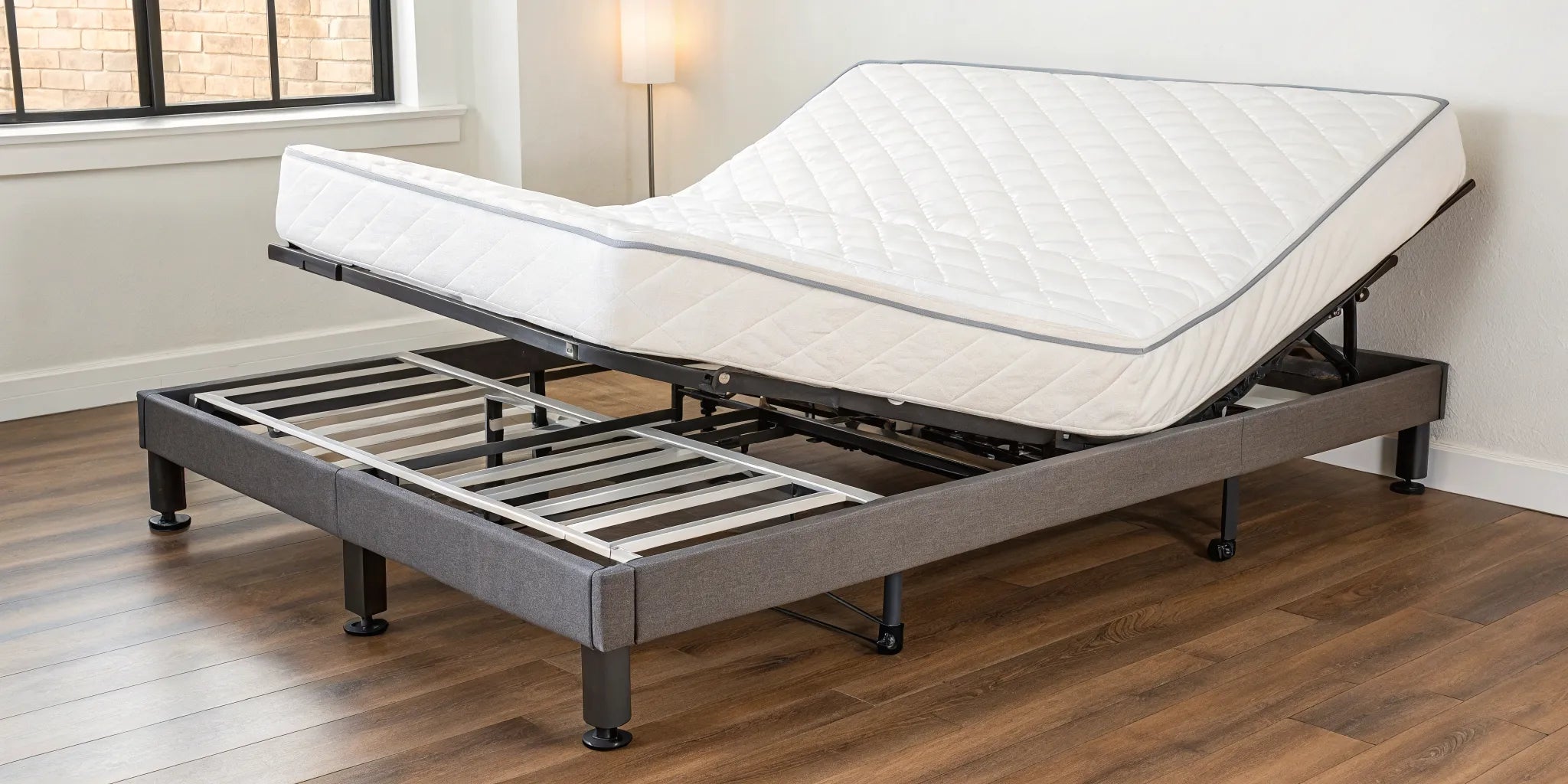
Pair Your Mattress with an Adjustable Base
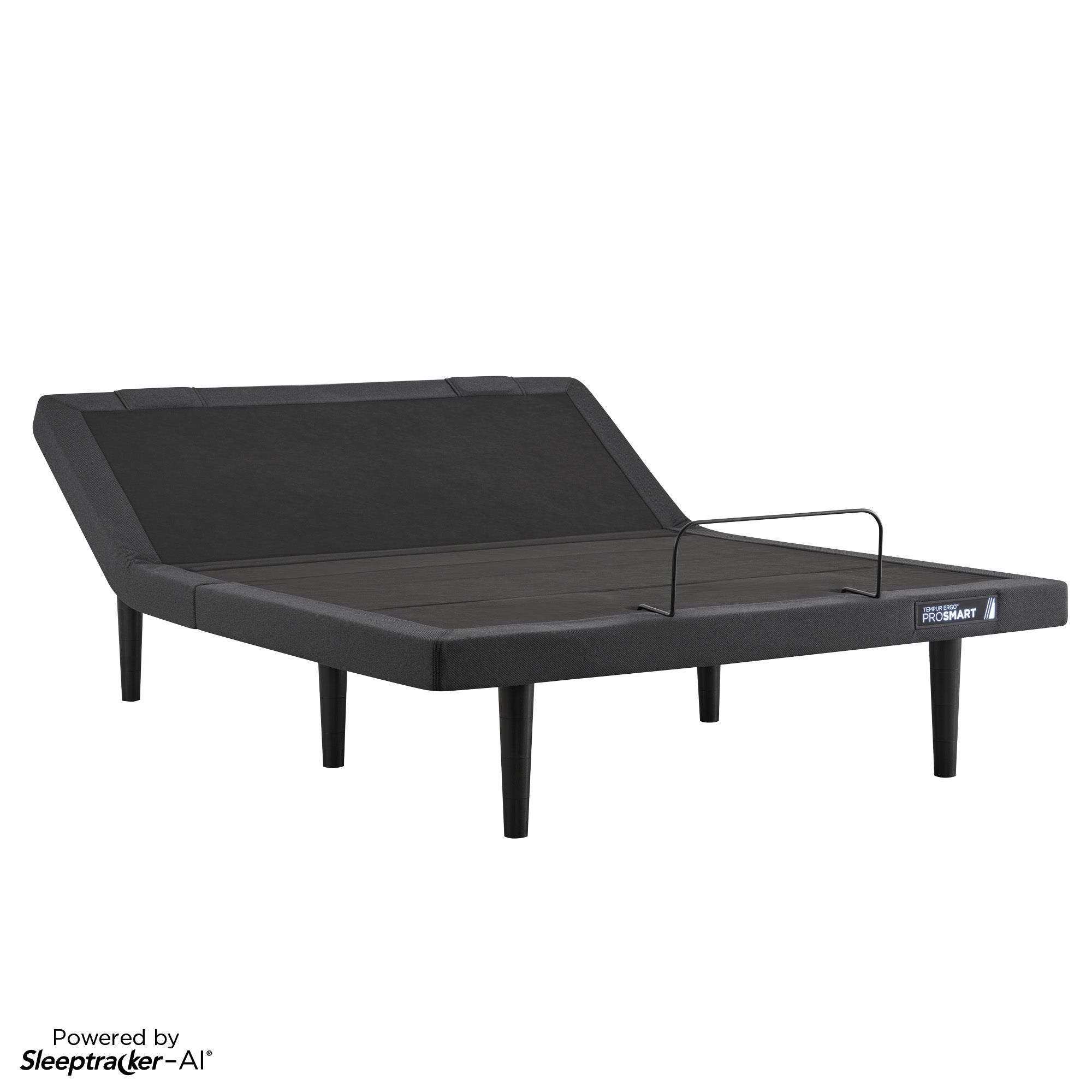
An adjustable base isn't just for watching TV in bed; it’s a powerful tool for pain relief. For side sleepers with hip pain, the ability to slightly change your sleeping position can be a game-changer. An adjustable base allows you to elevate your head or feet with the touch of a button, which can take pressure off your hips and lower back. Even a small adjustment can redistribute your weight enough to relieve sensitive pressure points. It also makes getting in and out of bed easier, which is a bonus if you’re feeling stiff in the morning.
Prioritize Cooling Features
If you tend to wake up hot, it could be making your pain worse. Overheating can disrupt your sleep cycle and contribute to inflammation. If your hip pain is due to inflammation, a mattress that stays cool can help soothe your joints. Many modern mattresses are designed with cooling technology, like gel-infused memory foam, breathable covers, or latex layers that don’t trap heat. You can also enhance this effect with the right bedding. A cooling mattress protector can add another layer of temperature regulation, helping you stay comfortable all night long and get the deep, restorative sleep you need.
What to Expect When Breaking in Your New Mattress
Bringing home a new mattress is exciting, but don't be surprised if it doesn't feel like a perfect match on the very first night. Just like a new pair of shoes, a mattress has a break-in period. The materials need time to soften and conform to your body, and your body needs time to get used to a new, more supportive surface. This is especially true if your old mattress was worn out. Getting used to proper alignment can take a little while, but it’s worth the wait.
Give it a Few Weeks to Adjust
Patience is key during the first few weeks. While a new, supportive mattress can provide immediate relief for some, it's completely normal for your body to need some time to adjust. We recommend sleeping on your new mattress for at least 30 nights to give it a fair chance. During this time, the foams will soften, the fibers will settle, and your body will learn to relax into a new, healthier sleeping posture. Try to sleep on different parts of the bed to help break it in evenly. Think of this as the introductory period where you and your new mattress get acquainted.
Notice How Your Body Feels
As you adjust, pay close attention to how you feel each morning. A good mattress for a side sleeper will cushion your hips and shoulders, relieving pressure from these key areas. Spinal alignment is also crucial; the mattress should keep your spine straight, not curved, when you lie on your side. Are you waking up with less stiffness? Do you feel supported without uncomfortable pressure points? Answering these questions will help you gauge how well the mattress is working for you. The right collection of mattresses will offer options designed specifically to provide this kind of targeted relief and alignment.
Know When to Make a Change
If after a few weeks you're still experiencing discomfort, it might be time to assess your complete sleep setup. Sometimes, a small tweak can make a big difference. For instance, if you have hip pain that makes getting out of bed difficult, pairing your mattress with an adjustable base could be a game-changer by allowing you to find a more comfortable resting position. Your pillow also plays a huge role in neck and shoulder alignment. If the mattress feels right but something is still off, consider whether a different pillow might complete your comfort puzzle.
How Extra Features Can Help with Pain
When you start looking at new mattresses, you’ll come across a lot of terms for special features. It’s easy to think of them as just marketing buzzwords, but many of these innovations are specifically designed to help you get more comfortable and reduce pain. Think of them as upgrades that target common sleep problems. For side sleepers dealing with hip and shoulder pain, the right features can make a significant difference in your sleep quality. Instead of just providing a surface to sleep on, a modern mattress can actively work to soothe pressure points, keep you cool, and ensure you stay asleep longer. Let's look at a few key features that can directly contribute to pain relief.
Less Motion Transfer for Better Sleep
If you share your bed with a partner, pet, or even a restless child, you know how a little movement can ripple across the mattress and wake you up. When you’re finally settled into a comfortable, pain-free position, the last thing you want is to be jostled out of it. Mattresses with low motion transfer, especially those with foam or hybrid designs, absorb movement right where it happens. This means you’re far less likely to feel your partner shifting during the night. This leads to more uninterrupted sleep, giving your body the consistent rest it needs to recover.
Cooling Tech for Deeper Rest
Waking up hot and sweaty isn't just uncomfortable; it can disrupt your sleep cycle and make your pain feel worse. Tossing and turning to find a cool spot puts unnecessary strain on your shoulders and hips. Many modern mattresses use advanced materials like cooling gel or copper-infused foams to pull heat away from your body. Hybrid models also promote better airflow through their coil layers, helping you maintain a comfortable temperature all night. Staying cool helps you achieve deeper, more restorative sleep, which is crucial for muscle repair and pain relief.
Zoned Support for Targeted Relief
Zoned support is a game-changer for side sleepers. Instead of having one uniform firmness level from head to toe, these mattresses are engineered with different support zones. They are typically firmer through the center third to properly support your heavier hips and keep your spine from sagging. At the same time, they’re softer at the shoulder area, allowing your body to sink in just enough to relieve pressure. This targeted approach, found in mattresses like the Helix collection, provides relief exactly where you need it, promoting proper spinal alignment and easing strain on your joints.
Related Articles
- What Is the Best Mattress for Side Sleepers With Hip Pain
- 4 Best Mattresses for Shoulder Pain Relief
Frequently Asked Questions
What's the most important thing to look for in a mattress if I have shoulder pain? The most critical feature is pressure relief. When you sleep on your side, your shoulder takes on a lot of your body weight. You need a mattress with a top comfort layer that is soft enough to gently cushion that joint, allowing it to sink in just a bit. This is why materials like memory foam or the plush tops on hybrid mattresses are so effective. They contour to your body's shape, which prevents the mattress from pushing back against your shoulder and causing pain.
I'm a side sleeper, but I really prefer a firm mattress. Is that a bad choice for me? Not at all, as long as it's the right kind of firm. While many side sleepers do best with a medium feel, you can absolutely find a firmer mattress that works. The key is to look for a firm model that still has a generous comfort layer on top. This gives you the solid, supportive base you prefer, while the top layers provide the necessary cushioning to prevent pressure points on your hips and shoulders.
How much does my body weight matter when choosing a mattress for side sleeping? Your body weight plays a big role in how a mattress will feel and support you. If you are a lighter individual, you may need a slightly softer mattress to experience its contouring benefits, as you won't sink into a firm mattress enough to get pressure relief. On the other hand, if you are a heavier person, you will likely need a firmer, more supportive mattress to prevent your hips from sinking too low, which is essential for keeping your spine properly aligned.
My partner is also a side sleeper. Do we need a special kind of mattress? When two people share a bed, the best thing to look for is a mattress with excellent motion isolation. This means that when one person moves or gets out of bed, the other person doesn't feel it. Hybrid and memory foam mattresses are fantastic at this because their materials absorb movement. A medium-firm feel is also often a great compromise that provides the balanced support and cushioning that works well for most side sleepers.
Besides buying a new mattress, what's the quickest thing I can do to help my hip pain? One of the easiest and most effective adjustments you can make is to sleep with a pillow between your knees. This simple trick helps keep your top leg from pulling forward, which in turn keeps your hips stacked and your spine in a more neutral alignment. It reduces the strain on your lower back and hip joints almost immediately. You can use a dedicated knee pillow or simply grab a spare one from your closet.