




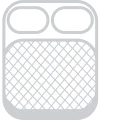



 Hybrid
 Individual Pocketed Coil
 Foam
Foam Open Coil
 Latex
Latex




We’ve been taught that a soft, plush mattress is the peak of luxury. But if you’re a stomach sleeper, that cloud-like feeling is often the direct cause of morning back pain. When you sleep on your front, your midsection needs solid support to keep your spine aligned. A mattress that’s too soft lets your hips sink, creating an unnatural curve that strains your lower back all night. Real luxury is waking up feeling refreshed and pain-free. We’re here to show you how to find the best mattress for stomach sleepers under $500 that delivers the firm support your body craves.
Key Takeaways
- Prioritize a firm mattress for spinal alignment: As a stomach sleeper, your main goal is to keep your spine in a neutral position. A medium-firm to firm mattress prevents your hips from sinking lower than your shoulders, which is the primary cause of lower back pain.
- Select a material built for support: Look for materials that provide consistent, sturdy support across the entire surface. Hybrid mattresses, high-density foams, and traditional innersprings are all excellent choices because they offer the pushback needed to keep your body level.
- Pair your mattress with the right accessories: A thin, low-profile pillow is essential for preventing neck strain, so look for one specifically designed for stomach sleepers. Also, always use a mattress protector to safeguard your investment and keep your warranty valid.
The Reality of Stomach Sleeping
If you’re a stomach sleeper, you’ve probably heard the advice to switch positions. But for many, it’s the only way to drift off. While it might feel comfortable in the moment, this position is often the culprit behind nagging aches and pains that greet you in the morning. The main issue is gravity. When you lie on your stomach, your midsection tends to sink into the mattress, pulling your spine out of its natural alignment. This creates a U-shaped curve that puts significant pressure on your lower back and neck, leading to discomfort that can last all day.
Beyond the obvious back pain, stomach sleeping forces you to turn your head to one side for hours, which can strain your neck and shoulders. Over time, this can lead to chronic pain and stiffness. The good news is you don't necessarily have to train yourself to sleep in a new position. By understanding the challenges of stomach sleeping, you can make informed choices about your sleep setup. Selecting the right mattress and accessories can counteract these negative effects, allowing you to get the restorative sleep you need without sacrificing the position you find most comfortable.
How Common is Stomach Sleeping?
If you prefer sleeping on your stomach, you’re in the minority. Research shows that only about 10% of adults are stomach sleepers, while the vast majority sleep on their side or back. Because it’s the least common sleep position, many mattresses and pillows are not designed with your specific needs in mind. This is why so many stomach sleepers struggle with finding the right products and often settle for a sleep setup that contributes to their pain. Understanding that you're part of a smaller group empowers you to be more deliberate in your search for a mattress that provides the firm, even support your body requires to stay properly aligned through the night.
The Health Risks Beyond Back Pain
While lower back pain is the most common complaint, it’s not the only health concern associated with stomach sleeping. This position is often not recommended because it can put a significant strain on both your lower back and neck. Over time, this can lead to chronic pain and even exacerbate issues like arthritis. But the effects don't stop there. Stomach sleeping can also impact your breathing by compressing your diaphragm and rib cage. Plus, pressing your face into a pillow all night can contribute to the formation of "sleep wrinkles," which are creases that can become permanent over time. These risks highlight why it's so important to create a supportive sleep environment.
Neck Strain and Alignment Issues
When you sleep on your stomach, you have to turn your head to the side to breathe. Holding this position for hours puts a tremendous amount of torque on your cervical spine, leading to neck strain and stiffness. At the same time, your midsection is likely sinking into the mattress, causing your spine to curve unnaturally. A good mattress is your first line of defense against this. If your hips sink too low, it creates a chain reaction of misalignment that results in back and neck pain. A firm surface provides the necessary pushback to keep your spine level from your head to your heels, reducing strain and promoting a healthier posture while you sleep.
Restricted Breathing and Wrinkles
Two lesser-known consequences of stomach sleeping are restricted breathing and premature wrinkles. Lying on your stomach can put pressure on your chest and diaphragm, making it harder to take deep, restorative breaths throughout the night. This can lead to restless sleep and leave you feeling tired in the morning. Additionally, spending hours with your face pressed against a pillow can cause friction and compression that contribute to sleep wrinkles. While a silky pillowcase can help, the best way to support your head and neck is with a thin, low-profile pillow designed specifically for stomach sleepers, which helps keep your head in a more neutral position.
What Should a Stomach Sleeper Look for in a Mattress?
If you’re a stomach sleeper, you already know it’s one of the coziest ways to drift off. But that comfort can come at a cost if your mattress isn’t up to the task. Waking up with a sore back is a common complaint, and it usually points straight to a mattress that’s too soft. For stomach sleepers, the right mattress isn’t just about comfort; it’s about providing the specific support your body needs to stay aligned all night long.
Finding the perfect fit means focusing on a few key factors that directly impact your sleep quality. We’ll walk through exactly what you should look for, from the ideal firmness level to how your own body weight plays a role in the decision. This will help you find a mattress that lets you enjoy your favorite sleeping position without any of the morning-after aches and pains.
Why Firmness Is Crucial for Your Spine
For stomach sleepers, firmness is the most important factor in a mattress. When you lie on your stomach, your midsection is the heaviest part of your body. On a soft mattress, your hips and belly will sink too far down, creating a U-shape in your spine. This misalignment puts a ton of strain on your lower back and can lead to chronic pain.
A firmer surface prevents this by keeping your hips lifted and level with your shoulders. The goal is to maintain a neutral spine, which is just a straight line from your head to your heels. A firm mattress provides the even, consistent support needed to hold this position, so your muscles can fully relax and you can wake up feeling refreshed instead of stiff.
Understanding the 1-10 Firmness Scale
To make things easier, the mattress industry uses a 1-10 scale to rate firmness, where 1 is the softest and 10 is the firmest. For stomach sleepers, the sweet spot is typically between a 6 and a 7, or medium-firm to firm. This level of firmness is strong enough to support your hips and keep your spine aligned, but it still has enough give to be comfortable. Anything softer, and you risk that dreaded U-shape curve in your back. Anything much firmer might feel like you’re sleeping on the floor, creating pressure points on your ribs and knees. Aiming for that 6-7 range is a great starting point when you begin comparing different mattresses.
Stated vs. Real-Feel Firmness
Here’s where things get a bit personal. A mattress labeled as a "7" by one brand might not feel the same as another's. This is because the "real-feel" firmness depends on your unique body weight and shape. For instance, a heavier person will naturally sink more, making a mattress feel softer, while a lighter person will experience that same mattress as firmer. This is where tools like our Mattress Finder can be a huge help in narrowing down your options. Regardless, the goal is always to keep your hips level with your shoulders for a neutral spine. Remember, a quality mattress shouldn't need a long "break-in" period. If you're still sore after a few weeks, it’s a sign that it might not be the right fit.
Which Mattress Type Gives You the Best Support?
So, what does "firm" actually feel like? For most stomach sleepers, a medium-firm to firm mattress is the sweet spot. This level of support is strong enough to keep your spine properly aligned without feeling like you’re sleeping on the floor. It provides the necessary foundation for your body while still offering a touch of cushioning for comfort.
You can find this ideal firmness across several different types of mattresses, including hybrid, foam, and innerspring models. The right type for you will depend on your personal preferences for things like cooling and pressure relief, but starting your search in the medium-firm to firm range is the best first step toward getting the support you need.
The Importance of Zoned Support
Some mattresses take support a step further with a feature called zoned support. Think of it as intelligent design: the mattress is firmer in the middle third to provide extra reinforcement under your hips, and slightly softer at the head and feet for your shoulders and legs. This targeted approach is a game-changer for stomach sleepers. As the NCOA points out, the main goal is to keep your spine straight and in its natural curve. Zoned support helps achieve this perfectly by preventing your midsection from dipping while still cushioning your upper body. It’s a sophisticated feature that delivers precisely the right support where you need it most, helping you maintain perfect alignment all night.
Evaluating Sinkage and Bounce
When you lie down, how much you sink into the mattress is a critical factor. As we've mentioned, your midsection is the heaviest part of your body. On a mattress that’s too soft, "your hips and belly will sink too far down, creating a U-shape in your spine." This is the primary cause of that all-too-familiar lower back pain. A firmer surface is the solution, as it "prevents this by keeping your hips lifted and level with your shoulders." While you want to avoid excessive sinkage, a little bit of bounce, or responsiveness, can be a good thing. It makes it easier to move and change positions without feeling trapped. This is why many stomach sleepers prefer hybrid mattresses, which offer the perfect combination of supportive lift and responsive bounce.
How Your Weight Influences Your Mattress Choice
Your body weight is another piece of the puzzle when choosing a mattress. How a mattress feels is relative, and your weight determines how much pressure you put on it. For example, a mattress that feels firm to someone who weighs 130 pounds might feel too soft for someone who weighs 230 pounds.
If you’re a heavier individual, you’ll need a mattress with durable, high-quality support layers to prevent sagging over time. A firmer option will ensure your hips don’t sink and your spine stays aligned. Lighter sleepers may find they can get enough support from a medium-firm mattress. Considering your weight helps you find a mattress that will provide consistent, long-lasting support for years to come.
My Top Mattress Picks for Stomach Sleepers (Under $500)
Finding the right mattress is a big deal, but it doesn’t have to come with a huge price tag. If you're a stomach sleeper, you know the struggle of waking up with an aching back because your mattress was too soft. You need firm support to keep your spine aligned, and thankfully, there are some incredible options that won't break the bank. We’ve sorted through the choices to find the best of the best for under $500.
Whether you're in Katy, Richmond, or Rosenberg, getting a supportive and comfortable bed is within reach. These picks are all about delivering that non-negotiable firmness stomach sleepers need, but they also bring other great features to the table, like cooling technology and durable construction. From classic innersprings to modern hybrids, here are five mattresses that will help you get a great night's sleep without sinking in or emptying your wallet.
Top Overall Value: The Mattress on Demand Firm
For stomach sleepers, the most important thing is preventing your hips from sinking lower than your shoulders. When that happens, your spine is thrown out of alignment, leading to morning back pain. The Mattress on Demand Value Firm Collection is designed specifically to prevent this. It provides a consistently firm and supportive surface that keeps your body on a level plane all night long. Experts at Mattress Nerd agree that this level of firmness is exactly what stomach sleepers need for proper support. It’s a straightforward, effective solution that delivers the essential foundation you need for a restful, pain-free sleep.
Best Budget Hybrid Option
If you want the best of both worlds, a hybrid mattress is a fantastic choice. The Allswell mattress combines the contouring comfort of foam with the sturdy support of innerspring coils, creating a balanced feel that’s perfect for stomach sleepers. Its firm surface is especially well-suited for those who weigh between 130 and 230 pounds, providing enough pushback to keep the hips elevated. The team at Sleep Doctor highlights it as a top budget-friendly pick because it delivers the supportive structure of a hybrid without the premium price, making it an excellent value for quality sleep.
Best Cooling Gel Foam
Sleeping hot is a common complaint, especially with all-foam mattresses that can sometimes trap heat. The Dreamfoam Essential tackles this problem head-on by infusing its foam with cooling gel. This technology helps pull heat away from your body, allowing you to sleep more comfortably through the night. While it offers the pressure relief of foam, it maintains a supportive surface that prevents stomach sleepers from sinking in too deeply. It’s a great option if you love the feel of foam but need that extra help staying cool and properly supported.
Best Classic Innerspring
Sometimes, you just can't beat a classic. The Sleepy's Rest Mattress is a traditional innerspring bed that offers the firm, responsive feel many stomach sleepers need. The interconnected coil system provides robust support across the entire mattress, which is key for maintaining proper spinal alignment. As noted by reviewers at Wirecutter, its sturdy construction gives it a bit of bounce while ensuring your midsection doesn’t dip. If you prefer a no-frills, reliably firm mattress that promotes healthy sleep posture, this is an excellent and affordable choice.
Best All-Foam for Maximum Support
Finding an all-foam mattress that’s firm enough for stomach sleeping can be tricky, but the Novilla Bliss Memory Foam Mattress gets it right. It strikes an impressive balance between gentle cushioning and solid support. The foam layers are designed to contour to your body's shape for comfort, but the base layer is dense and firm enough to keep your hips from sinking. This ensures your spine stays in a neutral position throughout the night. It’s an ideal pick if you want the body-hugging feel of memory foam without sacrificing the essential support your sleep style requires.
Which Mattress Material Is Really Best for Stomach Sleepers?
When you’re shopping for a new mattress, the sheer number of material options can feel overwhelming. From memory foam to hybrid to innerspring, each type has its own unique feel and benefits. For stomach sleepers, the choice is especially important. You need a material that offers enough pushback to keep your hips from sinking too low, which can cause your spine to curve unnaturally. Let’s break down the most common materials to help you find the perfect match for your sleep style and keep your back happy.
Memory Foam: Balancing Comfort and Support
Memory foam is famous for its body-hugging feel, which can be incredibly comfortable. For stomach sleepers, this contouring ability helps distribute your weight evenly and can support proper spinal alignment. However, the key is finding the right kind of memory foam. A foam that’s too soft will let your midsection sink, leading to back pain. You’ll want to look for a firmer, high-density foam that provides substantial support without sacrificing pressure relief. A quality foam mattress will prevent sagging and give you the durable foundation you need for years of comfortable sleep.
Hybrid: A Top Contender for Support
Hybrid mattresses offer a fantastic middle ground by combining supportive innerspring coils with layers of comfortable foam. This design is often a top pick for stomach sleepers because it delivers the best of both worlds. The coil system provides the firm, responsive support needed to keep your spine straight, while the foam layers on top offer a comfortable surface that cushions your body. This combination ensures you get the necessary lift to prevent your hips from dipping, making it easier to maintain a healthy sleep posture all night long.
Innerspring: Classic Firmness and Great Airflow
If you prefer a classic, bouncy feel, an innerspring mattress is an excellent choice. These mattresses are known for their traditional firmness, which is exactly what most stomach sleepers need to prevent their spine from curving. The interconnected coil system provides consistent, sturdy support across the entire surface. Another major benefit is airflow. The open structure of the coils allows air to circulate freely, which helps dissipate body heat and keeps you cool throughout the night. Paired with the right pillows, an innerspring mattress can create a cool and supportive sleep environment.
Why Pocketed Coils Make a Difference
Not all coils are created equal. While traditional innerspring mattresses use interconnected coils, many modern hybrids feature pocketed coils. Each coil is individually wrapped in fabric, allowing it to move independently from the others. This is a game-changer for support. Instead of the entire mattress surface responding when you move, pocketed coils offer more targeted pressure relief and support right where you need it. For stomach sleepers, this means the coils under your hips can provide firm lift while the coils under your shoulders give just enough to be comfortable. This design also significantly reduces motion transfer, so if you share your bed, you won't feel every toss and turn from your partner.
Latex: A Responsive and Cooling Option
If you don't love the slow-sinking feeling of memory foam but still want excellent support, latex is a fantastic alternative. Unlike memory foam that contours by absorbing your weight, latex has a natural buoyancy that provides an uplifting, responsive feel. For stomach sleepers, this is a huge plus because it actively works to keep your hips elevated and your spine aligned. Latex is also one of the most breathable mattress materials available. Its open-cell structure allows air to circulate freely, preventing heat from getting trapped and helping you maintain a comfortable temperature all night long.
Other Material Considerations
Once you’ve decided between foam, hybrid, or latex, there are a few other material details to consider. The core of the mattress is vital, but the materials used in the cover and for safety purposes can also have a big impact on your overall sleep experience and health. Paying attention to these components ensures you’re getting a high-quality product that is not only supportive but also safe and comfortable. From breathable covers that help regulate temperature to the type of fire retardant used, these details are worth a closer look before you make your final decision.
The Benefit of Breathable Wool Covers
The material on the very top of your mattress matters more than you might think, and wool is an excellent choice for a mattress cover. Wool is a natural wonder when it comes to temperature regulation. It’s incredibly breathable and has moisture-wicking properties that draw sweat away from your body, helping you stay cool and dry on warm nights. In cooler weather, it acts as a natural insulator to keep you cozy. Beyond comfort, wool is also naturally flame-resistant and hypoallergenic, making it a safe and healthy option for your sleep environment. It adds a touch of durable, functional luxury to any bedding setup.
Why to Look for Fiberglass-Free Mattresses
To meet federal flammability standards, some manufacturers, especially in the budget market, use fiberglass as a cheap internal fire retardant. While it’s sealed inside the mattress cover, if the cover gets damaged or removed, tiny glass fibers can escape and contaminate your room, leading to skin irritation and respiratory issues. For peace of mind, it’s always best to look for a fiberglass-free mattress. Reputable brands like Helix use safer alternatives like hydrated silica or wool to meet safety standards. Checking for this detail ensures your new bed is a safe and healthy addition to your home.
How Do the Mattress Types Compare?
Finding a mattress under $500 that works for you as a stomach sleeper is a huge win. But it’s smart to go into your search with a clear picture of what to expect. When you're shopping in this price range, you'll find some trade-offs compared to premium models. This doesn't mean you can't get a fantastic night's sleep; it just means you need to know what to prioritize. The biggest factors to consider are support, how long the mattress will last, and any extra features like cooling technology. By understanding the pros and cons in these areas, you can make a choice you'll be happy with for years to come. Let's break down what you can realistically expect from a budget-friendly mattress.
A Head-to-Head on Support
For stomach sleepers, support isn't just a preference, it's a necessity. The main goal is to keep your spine in a neutral position all night long. If a mattress is too soft, your hips will sink lower than your shoulders, creating an unnatural curve in your back that can lead to aches and pains. That's why most stomach sleepers need a medium-firm to firm mattress. The good news is that you can find plenty of supportive mattresses under $500. The key is to look for high-density base foams or sturdy coil systems that prevent sagging and provide that essential lift for your midsection.
How Long Will Your New Mattress Actually Last?
One of the most common questions about budget-friendly mattresses is, "How long will it actually last?" It's a fair point. Generally, a mattress in this price range may have a lifespan of about three to seven years, while more expensive models might last seven to ten. This is often because they use foams that are a bit less dense or have simpler coil designs. For many people, especially those in a temporary living situation or furnishing a guest room, this is a perfectly acceptable trade-off. You can also help your investment last longer by using a quality mattress protector to shield it from spills and wear.
Which Materials Help You Sleep Cool?
If you tend to overheat at night, finding a mattress that breathes well is a top priority. Some all-foam mattresses, especially older memory foam models, have a reputation for trapping body heat. However, many newer budget-friendly options have come a long way. Look for mattresses that incorporate cooling features, like the gel-infused memory foam found in a Helix Mattress, or open-cell foam structures designed for better airflow. Hybrid and innerspring models are also great choices for hot sleepers because the space between the coils allows air to circulate freely, helping to dissipate heat and keep you comfortable all night.
Don't Ignore the Fine Print: Trials & Warranties
Finding a great mattress at an affordable price feels like a huge win, but the purchase doesn't end when you click "buy." The policies that come with your mattress are just as important as its firmness level or material. Think of the sleep trial and warranty as the company's promise to you. They show how confident a brand is in its product and how much it values your satisfaction. A generous trial period gives you the time to truly know if a mattress works for your body, while a solid warranty protects your investment for years to come.
Especially when you're shopping for a budget-friendly mattress, these details matter. A good policy provides peace of mind, ensuring you won't be stuck with a mattress that causes you back pain or starts sagging prematurely. Before you commit, taking a few extra minutes to understand the return policy, trial length, and warranty coverage can save you a lot of hassle and money down the road. It’s the final step in making a smart, informed decision for your sleep health.
How to Make the Most of Your Sleep Trial
A sleep trial is your chance to test drive a mattress in the comfort of your own home. It can take your body a few weeks to adjust to a new sleep surface, especially when switching to a firmer, more supportive mattress for stomach sleeping. That’s why you should always look for a trial period of at least 90 days. This gives you plenty of time to decide if it’s the right fit.
To get the most out of your trial, sleep on the new mattress every single night. Pay close attention to how your back, neck, and hips feel when you wake up. Are you feeling supported and pain-free? Brands like the Helix Mattress collection offer generous trial periods because they know it takes time to find the perfect match.
Understanding the Mattress Adjustment Period
It’s tempting to expect your new mattress to feel perfect from the very first night, but that’s rarely how it works. Your body has spent years adapting to your old mattress, even if it was unsupportive and causing you pain. Because of this, you'll likely need some time to adjust to a new sleep surface, especially when switching to a firmer bed that’s better for your alignment. Think of it like breaking in a new pair of running shoes; there's an adjustment period. Give yourself at least 30 nights before deciding if it's the one. During this time, monitor how you feel each morning. You should notice any initial stiffness giving way to a feeling of being more rested and pain-free as your body gets used to proper support.
What to Look for in a Warranty
A warranty is your protection against manufacturing defects, like significant sagging or coils breaking. For a mattress under $500, you should aim for a warranty of 10 years or more. This is a strong signal from the manufacturer that they’ve built a durable product designed to last. Read the details carefully to understand what is and isn't covered.
Most warranties have conditions. For instance, a stain can void your warranty instantly, which is why using a mattress protector is non-negotiable. It’s a small investment that safeguards your mattress from spills and accidents, ensuring your warranty remains valid. Also, make sure your bed frame provides adequate support, as using the wrong foundation can also void coverage.
Searching for Lifetime Warranties
You might see the term "lifetime warranty" and wonder if that’s something you should look for. While it sounds amazing, a true lifetime warranty is extremely rare in the mattress world, especially for models under $500. Often, "lifetime" refers to the expected product lifespan, not your own. Instead of getting caught up searching for a lifetime promise, focus on finding a solid, realistic warranty. A 10-year warranty is the gold standard in this price range and a powerful indicator of a durable, well-made product. It shows the company is confident that its mattresses will stand up to years of use. This kind of warranty is the real promise that protects your investment and ensures you get the long-term support you need.
Return Policy Red Flags to Avoid
When you’re hunting for a deal, it’s easy to get distracted by a low price tag. But a confusing or restrictive return policy can turn a great deal sour. Be cautious of constant "final sale" events or discounts that seem too good to be true, as they might lock you into a purchase you can't return.
Always check for hidden fees. Some companies charge for shipping, and if you decide to return the mattress, you might be on the hook for return shipping or a "restocking" fee. A transparent company will have a clear, easy-to-understand return process. If the policy is buried in fine print or full of complicated steps, consider it a red flag. Your experience should be simple and stress-free from start to finish.
Delivery and Manufacturing Details
The Convenience of White-Glove Delivery
Getting a new mattress delivered is exciting, but the thought of lugging a heavy, bulky box up the stairs and setting it up can be daunting. This is where white-glove delivery comes in. It’s a premium service that handles all the heavy lifting for you. Instead of just leaving the box at your doorstep, the delivery team will bring your new mattress into the room of your choice, unpack it, place it on your bed frame or adjustable base, and even haul away all the packaging materials. As experts at Sleep Foundation point out, this service can be a total game-changer for anyone who wants a completely hassle-free setup. It turns the entire delivery day from a chore into a seamless, convenient experience.
The Value of "Made in the USA"
When you see a "Made in the USA" label on a mattress, it often means more than just supporting the local economy. Domestically produced mattresses typically have to follow stricter manufacturing and safety standards. According to the Better Sleep Council, these regulations can result in a healthier and more durable product for your home. This is a huge plus for anyone conscious about the materials they bring into their bedroom. Many of the brands we trust, including the popular Helix Mattress collection, are proudly made in the USA. Choosing one of these options gives you extra confidence that you’re investing in a quality mattress built to provide safe, comfortable sleep for years to come.
Why a Firmer Mattress Is Non-Negotiable for Stomach Sleepers
If you’re a stomach sleeper, you’ve probably woken up with a stiff neck or an aching lower back more times than you can count. It’s a common complaint, but it’s not something you have to live with. The culprit is often a mattress that’s too soft. While a plush, cloud-like bed might seem inviting, it can be the worst choice for your sleep posture. For stomach sleepers, the right mattress isn’t just about comfort; it’s a crucial tool for maintaining spinal health.
A firm surface is essential to keep your body properly aligned throughout the night. When your midsection sinks into a soft mattress, it forces your spine into an unnatural curve, putting significant strain on your back and neck. This is why finding a supportive mattress is so important. It’s about creating a flat, even plane for your body that prevents that dreaded morning ache. Let’s get into why a firmer feel is the best foundation for a great night’s sleep.
The Dangers of a Mattress That's Too Soft
Imagine your spine as a straight line. When you lie on your stomach on a mattress that’s too soft, your hips and belly, which are the heaviest parts of your body, sink deeper than your shoulders and legs. This creates a U-shaped curve in your spine, pulling it out of alignment. This position puts a huge amount of pressure on your lower back, which can lead to persistent pain and discomfort.
Over time, this nightly misalignment can cause chronic issues. You might find yourself waking up feeling unrested, stiff, and sore. As one sleep expert puts it, stomach sleepers need a firmer mattress to prevent their hips from sinking too much. A soft mattress simply can’t provide the stable support your body needs to rest and recover properly, making it a poor choice for anyone who prefers sleeping on their front.
How the Right Mattress Prevents Back Pain
The solution to back pain caused by stomach sleeping is a mattress that offers the right level of support. A medium-firm to firm mattress provides a solid, stable surface that keeps your hips and shoulders level. This prevents your midsection from sinking and helps maintain your spine’s natural alignment. When your spine is straight, your muscles can fully relax, and pressure is taken off your joints and ligaments.
Think of it as giving your body a neutral, supported posture, even while you sleep. This is why most sleep professionals agree that back and stomach sleepers generally need a firmer surface to keep their spine straight. By choosing a supportive mattress, like one of the firm options from the Helix Mattress collection, you’re not just buying a new bed. You’re investing in better posture, deeper rest, and pain-free mornings.
Finding the Sweet Spot Between Firm and Comfortable
When you hear "firm mattress," you might picture sleeping on a hard floor, but that’s not the goal. The ideal mattress for a stomach sleeper is one that finds the perfect balance between firm support and comfortable cushioning. You need a surface that’s solid enough to keep your spine aligned but has just enough give to cushion pressure points like your ribs and knees. This is where modern mattress technology really shines.
Many hybrid and foam mattresses are designed to provide this exact combination. To find your perfect fit, it’s a good idea to test out different options. For our customers in Katy, Richmond, and Rosenberg, we always recommend taking advantage of sleep trials. A good sleep trial gives you several weeks to see how your body adjusts to a new mattress in the comfort of your own home. This ensures you find that sweet spot where support meets comfort for your best sleep ever.
Beyond Firmness: What Else Should You Consider?
Once you’ve settled on the right firmness level and material, you’re almost there. But a few other key features can turn a good mattress into the perfect one for your needs. Think of these as the finishing touches that refine your sleep experience. For stomach sleepers, details like how sturdy the edges are, whether the bed stays cool, and how well it handles movement can make a significant difference in getting a truly restful night.
Paying attention to these elements ensures your new mattress supports your entire lifestyle, not just your sleeping position. Whether you share your bed with a partner, tend to overheat at night, or simply use the edge of your bed to get ready in the morning, these features are worth a closer look. Let’s break down what you need to know.
Why You Need Strong Edge Support
Edge support refers to how sturdy the perimeter of the mattress is. If you’ve ever felt like you might roll off the side of a bed, it likely had poor edge support. This feature is important if you often sit on the edge to put on your shoes or need a little help getting in and out of bed. For stomach sleepers, who may find themselves sleeping closer to the edge, a reinforced perimeter provides a stable, consistent surface from one side to the other. This means you can use the entire surface of your mattress without feeling like the support has disappeared.
Cooling Features for a Sweat-Free Night
Nothing disrupts sleep faster than waking up hot and sweaty. If you tend to overheat, you should look for mattresses with cooling features. Stomach sleepers can be especially prone to this, as more of your body is in direct contact with the mattress surface, trapping heat. Hybrid and innerspring models naturally allow for more airflow, which helps dissipate heat. Many modern foam mattresses also include cooling technology, like gel-infused memory foam or open-cell construction, to keep your sleep environment comfortable all night long. A breathable mattress protector can also make a big difference.
Sharing a Bed? Why Motion Isolation Matters
If you share your bed with a partner, a pet, or a child, motion isolation is a must-have. This feature describes how well a mattress absorbs movement on one side of the bed so it doesn’t transfer to the other. Memory foam mattresses are fantastic at this because they hug your body and stop motion transfer in its tracks. This is incredibly helpful if you share a bed with a restless partner. When their tossing and turning doesn’t jolt you awake, you both get a better night’s sleep. For the ultimate in personalized comfort, you can also explore adjustable bases, which allow each person to find their ideal position.
Dual-Sided Mattresses for Partners with Different Needs
What happens when you’re a stomach sleeper who needs a firm surface, but your partner loves a softer, plusher feel? This is a classic bedroom dilemma, but you don’t have to compromise on a good night's sleep. The solution is a dual-sided mattress, which is designed with two different firmness levels on each side of the bed. Brands like Helix offer a 'Dual Comfort' option, allowing each person to get the exact support they need. This means you can have the firm, responsive surface required to keep your spine aligned, while your partner enjoys a softer feel on their side. It’s the perfect way to ensure both of you wake up feeling refreshed and pain-free, without any resentment.
What About Your Pillow and Other Bedding?
Once you've found the perfect firm mattress, your work isn't quite done. The right accessories are just as important for getting a great night's sleep, especially when you sleep on your stomach. Your pillow and other bedding play a huge role in keeping your body comfortable and your spine aligned. Think of them as the essential supporting cast for your new mattress. Let's walk through how to choose the best companions for your bed.
How to Find the Right Pillow
For stomach sleepers, the goal with a pillow is to keep your head as flat and level with the mattress as possible. A thick, fluffy pillow will crane your neck upwards, creating an uncomfortable angle that leads to morning stiffness and pain. Instead, look for a thin, low-loft pillow. Some stomach sleepers even find they are most comfortable with no pillow at all. If you prefer some cushioning, materials like soft down, down alternatives, or a thin slice of memory foam work well because they compress easily. When you're browsing our selection of pillows, look for options described as "low-profile" or specifically designed for stomach sleeping to ensure you get that crucial spinal alignment.
Why a Thin Pillow—Or No Pillow—Is Often Recommended
It might sound strange, but for stomach sleepers, less is more when it comes to pillows. The main reason a thin pillow—or even no pillow at all—is recommended is to prevent neck strain. When you lie on your stomach, a thick, high-loft pillow forces your head and neck to bend upward at an unnatural angle. This position puts a lot of stress on your spine and is a direct cause of that stiff, sore neck you might feel in the morning. The goal is to keep your head as level with the mattress as possible, maintaining a straight line all the way down your spine. A very thin pillow can provide a bit of cushioning while keeping your alignment in check, but many stomach sleepers find that going pillow-free is the key to waking up pain-free.
Why You Should Use a Mattress Protector
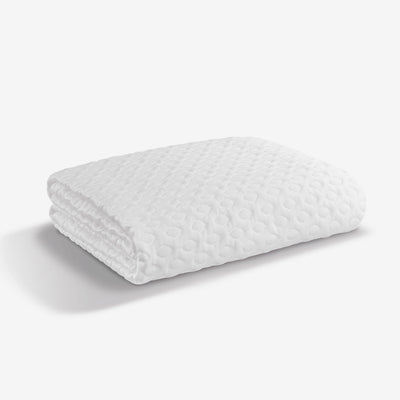
You just invested in a new mattress, so the next logical step is to protect it. A mattress protector is a non-negotiable layer that shields your bed from life's little accidents, like spills and stains. More importantly, it creates a barrier against sweat, body oils, and allergens like dust mites that can build up over time. This is especially key for stomach sleepers, who breathe directly into their mattress surface all night. A good mattress protector keeps your sleep environment clean and hygienic while extending the life of your mattress, ensuring your investment pays off for years to come.
Related Articles
- 5 Best Mattresses for Stomach Sleepers
- 5 Best Mattresses for Stomach & Side Sleepers (2025)
- 4 Best Affordable Mattresses for Stomach Sleepers
Frequently Asked Questions
How do I know if my current mattress is too soft for stomach sleeping? The most telling sign is waking up with a sore or stiff lower back. If you lie down and feel your hips and stomach sinking deeper into the mattress than the rest of your body, it’s a clear indicator that you lack proper support. The goal is to maintain a straight line from your head to your heels, and a mattress that’s too soft will force your spine into an unhealthy curve.
Is a hybrid mattress always the best choice for stomach sleepers? Hybrids are a fantastic choice because they offer the firm support of coils and the cushioning comfort of foam, but they aren't the only option. A high-density all-foam mattress can also provide the necessary support to prevent your hips from sinking. Similarly, a traditional innerspring mattress offers a reliably firm surface with the added benefit of great airflow. The best material ultimately depends on your personal preferences for feel and temperature.
My partner and I have different sleep positions. How do we choose one mattress? This is a very common situation, and the solution is to find a mattress with excellent motion isolation. This feature ensures that when one person moves, the other person doesn't feel it. Both hybrid and memory foam mattresses are great at this. A medium-firm feel is often the perfect compromise, as it provides the essential support for a stomach sleeper without feeling uncomfortably hard for a side or back sleeper.
Besides firmness, what's the most important feature to look for in a new mattress? After you've confirmed the mattress is firm enough, look for strong edge support. This gives you a sturdy and consistent surface across the entire bed, which is helpful if you sit on the edge or sleep close to it. If you tend to get warm at night, you should also prioritize cooling features, like gel-infused foam or the breathable coil system found in a hybrid, to help you stay comfortable.
Why is my pillow choice so important if I sleep on my stomach? Your pillow's main job is to keep your head and neck aligned with your spine. When you sleep on your stomach, a thick or fluffy pillow will push your head upwards at an awkward angle, which is a primary cause of neck pain. To avoid this, you need a very thin, low-profile pillow that keeps your head almost flat against the mattress. In fact, many stomach sleepers find that using no pillow at all is the most comfortable option.


