



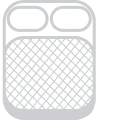
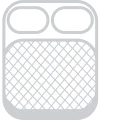


 Hybrid
 Individual Pocketed Coil
 Foam
Foam Open Coil
 Latex
Latex




Dealing with sciatica is tough enough during the day. At night, it can make getting restful sleep feel impossible. Here in the Richmond, Katy, and Rosenberg area, we help people solve this exact problem. Finding the right mattress is a huge step, but where do you even start? We've put our expertise into this guide to show you what truly provides relief, from the importance of proper spinal alignment to the game-changing support of an adjustable base. Let's find you the best mattress for sciatica and get you back to waking up feeling great.
Book an Appointment
Key Takeaways
- Aim for a Medium-Firm Feel: This firmness level is often the sweet spot for sciatica relief, providing enough support to keep your spine properly aligned while still cushioning sensitive areas like your hips and shoulders.
- Choose a Mattress Based on Your Sleep Style: Your primary sleeping position determines your support needs. Side sleepers usually benefit from a slightly softer mattress for pressure relief, whereas back and stomach sleepers need a firmer surface to prevent their hips from sinking.
- Use Accessories to Enhance Support: A great mattress is the foundation, but pillows and adjustable bases can perfect your setup. Placing a pillow between or under your knees maintains spinal alignment, and an adjustable base allows you to find a precise position that takes pressure off your lower back.
Understanding Sciatica and Its Impact on Sleep
If you’ve ever felt that sharp, shooting pain that starts in your lower back and travels down your leg, you know how disruptive sciatica can be. This pain comes from the sciatic nerve, the longest nerve in your body. When it gets compressed or irritated, it can make simple things like sitting, standing, and especially sleeping, feel incredibly difficult. Finding a comfortable position can seem impossible, leading to nights of tossing and turning. This lack of restorative sleep doesn’t just leave you feeling tired; it can also make your pain feel worse, creating a frustrating cycle. The right sleep environment is crucial for managing sciatica, and it all starts with the surface you sleep on. A supportive mattress can make a world of difference by promoting proper spinal alignment and relieving pressure on the sciatic nerve, helping you finally get the rest you need.
How Common Is Sciatica?
You’re definitely not alone if you're dealing with this kind of discomfort. Sciatica is surprisingly common, particularly as we get older. According to research from AARP, about one in four adults aged 65 and over experience this specific type of nerve pain. It’s a persistent issue that sends many people searching for relief. The pain can range from a mild ache to a sharp, burning sensation, and it can significantly impact your quality of life. Understanding that so many others face the same challenge can be reassuring, and it highlights the importance of finding effective ways to manage the pain, especially when it comes to getting a good night's sleep.
Can a New Mattress Really Help?
It might sound too good to be true, but a new mattress can be a game-changer for sciatica pain. In fact, a survey found that a new mattress helped relieve sciatica pain for all respondents, with 63% feeling "a lot" better. The reason is simple: an old, unsupportive mattress can force your spine into an unnatural position, putting more pressure on the sciatic nerve. A quality new mattress, on the other hand, provides the right balance of cushioning and support. It contours to your body's natural curves while keeping your spine properly aligned, which can significantly reduce nerve compression and give your body a chance to heal while you sleep.
Before You Shop: Essential First Steps
Before you start browsing for a new mattress, it’s a good idea to do a little prep work. While we’re experts in sleep, we always recommend starting with your health. Sciatica isn't just a simple backache; it's nerve pain that can stem from various underlying issues. Getting a clear picture of what’s causing your discomfort is the most important first step. This knowledge will empower you to make a much more informed decision when you’re ready to shop. Think of it as creating a roadmap; once you know the source of the problem, you can choose a path—and a mattress—that leads directly to relief. Taking these initial steps ensures you’re not just guessing but investing wisely in your long-term comfort and well-being.
Talk to Your Doctor or Chiropractor
Your first stop should be a conversation with a healthcare professional you trust. While a new mattress can certainly help, it's important to remember that it's not a guaranteed fix for sciatica pain. A doctor or chiropractor can properly diagnose the cause of your sciatica and recommend a comprehensive treatment plan. This might include physical therapy, stretching exercises, or other medical interventions. Your mattress should be a part of that overall strategy, not your only solution. Sharing your doctor’s recommendations with a sleep expert can also help us guide you to a mattress that complements your treatment and provides the best possible support for your specific needs.
Know the Cause of Your Pain
Sciatica isn't a one-size-fits-all condition. The pain can come from different issues, like a herniated disc, spinal stenosis, or arthritis. Knowing the specific cause of your pain is incredibly helpful because it can influence the type of support you need from a mattress. For example, someone with a herniated disc might need a firmer surface to prevent their hips from sinking and further irritating the nerve. Understanding your diagnosis allows you to shop with purpose. You can look for mattresses with features that directly address your condition, ensuring you choose a bed that provides targeted relief rather than just general comfort.
Is It Time for a New Mattress?
Sometimes the source of our sleep problems is right underneath us. We get used to our old mattress, not realizing it’s no longer giving us the support we need. If you’re waking up with more aches and pains than you went to bed with, it might be time for an upgrade. An old, worn-out mattress can contribute to poor spinal alignment, which is especially problematic when you’re dealing with sciatica. It’s easy to overlook, but evaluating your current sleep surface is a critical step in your journey toward pain-free nights. Taking a moment to honestly assess your mattress could reveal that a simple change is all you need to dramatically improve your sleep quality and reduce your daily pain.
The Average Mattress Lifespan
Most mattresses are designed to last about eight to ten years. However, that’s just a general guideline. According to experts at Consumer Reports, you should consider replacing your mattress sooner if it's causing you pain or if your body has changed significantly. Things like weight fluctuations, injuries, or developing conditions like sciatica mean that the mattress that was perfect for you years ago might not be right for you today. Don’t feel like you have to stick with a mattress for a decade if it’s no longer serving you. Your comfort and health are what matter most, so listen to your body.
Signs Your Mattress Is No Longer Supporting You
How can you tell if your mattress is past its prime? There are a few tell-tale signs. First, consider its age. If it’s creeping up on that 8-to-10-year mark, it’s time to pay close attention. A more obvious sign is how it feels. If your body sinks into the mattress instead of feeling supported, that’s a red flag. Run your hands over the surface; if you can feel deep dips, lumps, or "divots," especially where you usually sleep, the internal support system has likely broken down. Waking up with stiffness or pain that eases as you move around is another classic sign that your mattress is failing to provide the proper support your body needs overnight.
How to Find the Right Mattress for Sciatica
Shopping for a mattress when you have sciatica can feel overwhelming. You know that the right surface can bring incredible relief, while the wrong one can make your mornings miserable. Instead of focusing on brand names or flashy features, let’s concentrate on the four key elements that truly matter for supporting your lower back and calming that nerve pain. Getting these right will guide you to the perfect mattress for a restful, pain-free night. If you're in the Richmond, Katy, or Rosenberg area, our team can walk you through options that hit all these marks.
Find Your Firmness Sweet Spot
When it comes to sciatica, firmness is a balancing act. A mattress that’s too soft will let your hips sink, twisting your spine out of alignment and putting pressure on the sciatic nerve. On the other hand, a mattress that’s too firm can create painful pressure points on your hips and shoulders. For most people, a medium-firm feel is the sweet spot. It provides enough pushback to keep your spine in a neutral position while still offering the cushioning you need for comfort. Think of it as the perfect middle ground that supports you without being rigid.
The 1-10 Firmness Scale Explained
To make things easier, the mattress industry uses a 1-10 scale to rate firmness, where 1 is incredibly soft and 10 is as hard as the floor. Think of it as a universal language that helps you compare options, no matter the brand or material. For sciatica relief, you’ll want to focus on the middle of the road—specifically, a mattress that falls between a 5 and 7 on the scale. This range is what we call "medium-firm." It’s the ideal balance that provides the robust support your lower back needs to stay aligned, while still offering enough gentle cushioning to prevent pressure points. It’s the most recommended option because it helps maintain proper spinal alignment throughout the night.
So, why is medium-firm so effective? A mattress in the 5-7 range is strong enough to keep your spine in a neutral position, preventing your hips from dipping too low and putting stress on your lower back. At the same time, it has enough give to contour to your body and cushion sensitive areas like your shoulders. Research consistently points to this firmness level for pain relief. For instance, a study in the Journal of Chiropractic Medicine found that new, medium-firm bedding systems significantly increased sleep quality and reduced back discomfort for participants. This balance is the key to letting your muscles fully relax and taking pressure off the sciatic nerve.
Going too far in either direction can make your pain worse. A mattress that’s too soft (typically a 1-4) allows your body to sink in too deeply, causing your spine to curve unnaturally and leading to increased nerve compression. You might wake up feeling stiff and sore. On the other hand, a mattress that’s too firm (an 8-10) can create uncomfortable pressure points and fail to conform to your body’s natural shape, causing you to toss and turn. Finding that perfect 5-7 rating on one of our mattresses ensures you get the support you need for a restful, pain-free night. It’s all about finding that Goldilocks feel—not too soft, not too firm, but just right.
Look for Spine-Supporting Materials
The materials inside your mattress play a huge role in how it interacts with your body. You want materials that contour to your curves, distributing your weight evenly and cradling your lower back. This is where materials like memory foam, latex, or advanced hybrid foams shine. They adapt to your unique shape, filling in the gap at your lumbar region and taking the strain off your hips. When you explore different mattresses, pay attention to the comfort layers. These are designed specifically to provide that body-hugging support that is so crucial for sciatica relief.
Prioritize Pressure Relief and Contouring
Pressure relief is about more than just softness; it’s about how a mattress reduces stress on sensitive areas. For sciatica sufferers, this means the mattress needs to cushion the hips, shoulders, and lower back effectively. A mattress with excellent contouring abilities will mold to your body, spreading your weight across the entire surface instead of letting it concentrate in one spot. This prevents pressure from building up along the sciatic nerve pathway. Brands like the Helix Mattress collection are specifically engineered with foam layers that excel at this kind of targeted pressure relief, helping you wake up with less pain and stiffness.
Make Sure You Get Proper Spinal Alignment
Ultimately, the goal of any good mattress is to maintain proper spinal alignment. This is the foundation of a healthy night's sleep, especially when dealing with sciatica. When you lie down, your spine should maintain its natural, gentle curve if you're on your back, or be perfectly straight if you're on your side. A supportive mattress prevents your midsection from sagging and keeps your body on a level plane. This alignment takes direct strain off your lower back and the sciatic nerve. Pairing the right mattress with an adjustable base can further help you find a perfectly aligned and comfortable position.
How Does Mattress Firmness Affect Sciatica?
Finding the right mattress firmness can feel like a puzzle, especially when you’re dealing with sciatica. The firmness of your mattress is one of the most important factors in managing that sharp, radiating nerve pain. Think of it this way: your goal is to keep your spine in a straight, neutral line all night long. If your mattress is too soft, your hips and lower back can sink too far, twisting your spine and putting more pressure on the sciatic nerve. On the other hand, a mattress that’s as hard as a rock won’t have enough give to cushion your body’s natural curves, creating painful pressure points and failing to provide proper support.
The key is finding a balance that supports your spine without creating new aches and pains. The right surface will contour to your body, distributing your weight evenly and allowing your muscles to fully relax. This helps reduce the strain on your lower back and gives your sciatic nerve a chance to calm down. When you’re exploring different mattresses, remember that firmness isn’t just about comfort; it’s about creating the ideal environment for healing and rest. Your body needs a stable, supportive surface to maintain alignment from your head to your toes.
Why Medium-Firm Is the "Goldilocks" Choice
For many people with sciatica, a medium-firm mattress hits that "just right" sweet spot. It provides enough support to keep your spine properly aligned and prevent your hips from sinking, which is a common trigger for sciatic pain. At the same time, it has enough cushioning to relieve pressure on sensitive areas like your shoulders and lower back. This combination of support and comfort is why experts often point to medium-firm as the ideal starting point. A mattress like the Helix Mattress, known for its balanced feel, can offer that perfect blend of contouring and stability, helping you get restorative sleep without aggravating your pain.
Match Your Firmness to Your Sleep Position
While medium-firm is a great guideline, your personal sleep style plays a huge role in finding the perfect fit. Side sleepers usually need a slightly softer mattress that allows their shoulders and hips to sink in just enough to keep the spine straight. If you’re a back or stomach sleeper, you’ll likely need something a bit firmer to prevent your midsection from dipping and arching your back. To get even more support, try placing one of our supportive pillows under your knees when sleeping on your back, or between your knees if you’re on your side. This simple trick helps maintain spinal alignment and can make a world of difference in reducing pressure on your sciatic nerve.
How Your Body Weight Influences Firmness
Your body weight is a crucial piece of the puzzle when selecting a mattress. What feels firm to a lighter person might feel too soft for someone heavier. Generally, heavier people need a firmer mattress to get adequate support and prevent sinking, while lighter individuals often find more comfort on a slightly softer surface that can contour to their frame. The goal is to find a balance that supports your spine without creating new aches and pains. The right surface will distribute your weight evenly, allowing your muscles to fully relax. When you explore different mattress options, remember that the "perfect" firmness is entirely personal and depends on your unique body type.
The Dangers of a Mattress That's Too Firm
There’s a common misconception that an extra-firm mattress is the best solution for any kind of back pain, but that’s not always the case for sciatica. A mattress that’s too firm won’t have enough give to cushion your body’s natural curves. Instead of contouring to your shape, it can create painful pressure points, especially on your hips and shoulders, which can aggravate the sciatic nerve. This lack of cushioning also fails to provide proper support, forcing your spine into an unnatural position. Once you find that perfect mattress with the right balance of support and comfort, you'll want to protect your investment to ensure it lasts for years to come.
The Best Mattresses for Sciatica, Based on Your Sleep Style
The way you sleep plays a huge role in how your body feels in the morning, especially when you're dealing with sciatica. A mattress that works wonders for a side sleeper might be a nightmare for someone who sleeps on their back. That's why finding the right match for your specific sleep style is key to getting relief. Let's break down what to look for based on your go-to position, so you can find the perfect
Top Choices for Side Sleepers
If you’re a side sleeper, your hips and shoulders bear the brunt of your body weight all night long. You need a mattress that cushions these areas while still supporting your waist to keep your spine straight. A mattress with excellent pressure relief, like the Nectar Premier, is often recommended for its ability to ease stress on the hips and shoulders. It also does a great job of minimizing motion transfer, so you won't be disturbed if your partner tosses and turns. A quality hybrid or memory foam mattress can provide that perfect blend of contouring and support to help you wake up pain-free.
Top Choices for Back Sleepers
For back sleepers, the main goal is maintaining the natural curve of your spine. You need a surface that supports your lower back without letting your hips sink too low. The Saatva Classic is often highlighted as a top choice because it provides strong support while still relieving pressure points. According to the National Council on Aging, mattresses like this score high for both pain relief and ease of movement, making it easier to get in and out of bed. A medium-firm hybrid mattress is typically a fantastic option, giving you the responsive support of coils and the contouring comfort of foam.
What Stomach Sleepers Should Know
Sleeping on your stomach can be tough on your back, especially with sciatica, because it can cause your spine to arch unnaturally. If this is your preferred position, a medium-firm to firm mattress is non-negotiable. This firmness level prevents your hips from sinking too deep, which is a major cause of lower back strain and nerve pain. As Forbes Vetted points out, stomach sleepers should lean toward firmer options to keep the spine in a neutral position. When you visit us, we can help you test out a few firmer models to find one that feels both supportive and comfortable.
Which Mattress Material Is Right for You?
Once you have an idea of your ideal firmness level, the next step is to consider the materials inside the mattress. The construction of a mattress plays a huge role in how it feels and performs, especially when you’re dealing with something as persistent as sciatica pain. Each material offers a unique combination of support, pressure relief, and responsiveness. Think about what you need most: do you want a bed that hugs your every curve, or one that gives you a little bounce? Do you tend to sleep hot?
Understanding the differences between memory foam, latex, hybrid, and innerspring models will help you narrow down your options and find the perfect match. There’s no single "best" material for everyone, but there is a best material for you. Let’s walk through the pros and cons of each type so you can feel confident when you start browsing our collection of mattresses. By the end of this section, you’ll have a much clearer picture of what to look for on your next visit to one of our stores in Katy, Richmond, or Rosenberg.
Consider Responsiveness for Ease of Movement
When you’re dealing with sciatica, the last thing you want is to feel trapped in your own bed. Some mattresses, especially certain memory foams, can make you feel like you’re sinking into quicksand, making it a real struggle to roll over or get up in the morning. This is where responsiveness comes into play. A responsive mattress has a bit of "bounce" that helps you move freely without extra effort. According to the AARP, this quality is especially important when pain makes it difficult to move. Hybrid and latex models are typically more responsive, as they spring back into shape quickly. When you test different mattresses, pay close attention to how easy it is to change positions. You want a surface that supports you but doesn't hold you captive, allowing you to adjust throughout the night with minimal strain.
Memory Foam: The Pros and Cons for Sciatica
Memory foam is famous for its deep, contouring feel. It’s designed to soften in response to your body heat and pressure, molding to your unique shape. This creates a cradling sensation that evenly distributes your weight, which is fantastic for sciatica sufferers. By spreading your weight, it helps reduce pressure on sensitive spots like your hips, shoulders, and lower back. The main benefit here is superior pressure relief and spinal alignment. The one thing to watch for is heat retention, though many modern memory foams now include cooling gels or an open-cell structure to keep things comfortable.
Why High-Density Foam Matters
When you’re looking at memory foam mattresses, you’ll hear the term “high-density” a lot. It’s not just marketing jargon; it’s a key indicator of quality and support. High-density foam is simply more durable, meaning it won’t develop those dreaded sags and dips that throw your spine out of alignment. For someone with sciatica, consistent support is everything. A mattress that maintains its shape night after night ensures your spine stays in a neutral position, which is crucial for preventing extra pressure on that sensitive sciatic nerve. It’s the difference between a mattress that supports you for years and one that starts failing you after a few months.
Beyond durability, high-density foam is a champion at contouring. It expertly molds to your body’s unique curves, distributing your weight evenly across the entire surface. This is a game-changer for sciatica because it prevents pressure from building up on your hips and lower back. As we often explain to customers, a mattress that contours well essentially fills in the gaps, supporting your lumbar region so your muscles can fully relax. Many high-density foams also incorporate cooling technologies, like gel infusions or open-cell designs, to solve the old problem of memory foam sleeping hot. Since experts at AARP note that heat can sometimes make pain worse, finding a foam mattress that stays cool is a huge win for comfort.
Latex: For Responsive, Natural Support
If you want pressure relief without that slow-sinking feeling of memory foam, latex might be your answer. Latex offers a more responsive and buoyant feel, so you feel like you’re sleeping on the mattress rather than in it. It provides excellent support and durability with a bit of bounce, making it easier to change positions during the night. While it doesn’t hug your body quite as closely as memory foam, it still does a great job of relieving pressure. Many people also appreciate that natural latex is a durable and eco-friendly option.
Hybrid: Getting the Best of Both Worlds
Can’t decide between foam and coils? A hybrid mattress gives you the benefits of both. These mattresses combine comfort layers of memory foam or latex with a supportive core of innerspring coils. This construction provides the pressure relief and contouring of foam along with the sturdy support and responsiveness of coils. Many hybrid models, including the popular Helix Mattress, feature zoned coil systems that offer targeted support for your lower back. For many people with sciatica, a hybrid is the ideal solution, delivering a balanced feel that excels at both comfort and support.
Innerspring: For Targeted Support Zones
Traditional innerspring mattresses might not be the first choice for sciatica, as they can sometimes feel too firm or create pressure points. However, modern innerspring designs have come a long way. The key is to look for models with a thick, soft comfort layer on top and, more importantly, a zoned coil system. These advanced systems use different types of coils in specific areas of the mattress to provide targeted support. For example, the coils in the center third of the mattress might be firmer to keep your lower back properly supported, preventing it from sinking and misaligning your spine.
What to Look for in an Innerspring Mattress
As you look at different innerspring options, keep your eyes peeled for two specific features that make all the difference: a generous comfort layer and a zoned coil system. The comfort layer is that top section of foam or latex that gives you immediate cushioning for pressure relief. But the real magic for sciatica happens underneath, with the zoned coil system. This is where the mattress is engineered with firmer, stronger coils right in the center third—exactly where your hips and lower back need the most support. This targeted design keeps your midsection from dipping, which is essential for keeping your spine aligned and easing pressure on the sciatic nerve.
Find the Best Mattress for Your Budget
Finding a mattress that eases sciatica pain shouldn't mean stretching your finances thin. The good news is that there are fantastic options available at every price point, whether you're looking for a simple, supportive bed or a luxury sleep system. We've sorted some of the best mattresses into three budget categories to help you find the perfect match for your body and your wallet. And remember, we offer flexible financing options to make your purchase even more manageable here in the Richmond, Katy, and Rosenberg areas.
Budget-Friendly Finds (Under $1,499)
You can find incredible comfort and support without a hefty price tag. These value picks prove that a good night's sleep is accessible to everyone. The DreamCloud Mattress is a wonderful all-around hybrid that balances plush foam with supportive coils. Its medium firmness is often just right for those with back pain. Another great choice is the Brooklyn Bedding Signature Hybrid, which offers high-quality materials and lets you choose your ideal firmness. For sciatica, the medium option typically provides the best combination of contouring and support to relieve pain.
The Mid-Range Sweet Spot ($1,499-$2,249)
If you have a bit more to invest in your sleep, this mid-range category offers advanced features for even better pressure relief. The Saatva Classic is a standout for its ability to ease pressure points while maintaining excellent support, making it a top contender for preventing and soothing sciatic pain. For side sleepers, the Nectar Premier is a fantastic choice. It’s designed to cushion the hips and shoulders, which can be major pressure points, and it does a great job of minimizing motion transfer, so you won't be disturbed by a restless partner.
Luxury Mattresses Worth the Splurge (Over $2,249)
For those ready to invest in the ultimate sleep experience, our premium selections offer cutting-edge technology and luxurious materials. The Helix Dusk Luxe provides exceptional lower back support and has a responsive, bouncy feel. This makes it easier to change positions throughout the night without feeling stuck, which is a huge plus when you're dealing with pain. Another excellent option is The WinkBed Luxury Firm. It’s known for its impressive pain-relieving capabilities and supportive structure. Its bounce can also make getting in and out of bed easier, especially for those with joint stiffness.
When Is the Best Time to Buy a Mattress?
Once you have a budget in mind, timing your purchase can make a huge difference in what you can afford. While you can find great deals year-round, the biggest savings often pop up during specific times. Keep an eye out for sales during major holiday weekends like Memorial Day, Labor Day, and the Fourth of July, as retailers often roll out significant discounts then. The end-of-year shopping season, from Black Friday through the New Year, is another fantastic window to find a high-quality mattress at a lower price. Planning your purchase around these events can help you get a premium mattress that fits comfortably within your budget, without compromising on the support you need for sciatica relief.
Can Your Sleep Position Reduce Sciatica Pain?
Finding the right mattress is a huge step toward managing sciatica pain, but it’s only half the battle. How you position your body throughout the night plays a massive role in whether you wake up feeling refreshed or in pain. Even with the most supportive mattress, a poor sleep posture can twist your spine out of alignment and put pressure directly on the sciatic nerve. The good news is that you don't need to completely overhaul your sleep habits. Small, simple adjustments to your favorite sleeping position can provide significant relief.
The goal is to keep your spine in a neutral position, from your neck all the way down to your hips. This minimizes strain and allows your muscles to fully relax. By using pillows strategically, you can support your body’s natural curves and prevent the pressure points that aggravate sciatica. Think of it as creating a supportive cradle for your body all night long. Whether you’re a dedicated side sleeper or prefer your back, learning how to optimize your posture can make a world of difference in your daily comfort levels. Let’s look at the best practices for each position and why stomach sleeping might be doing more harm than good.
How to Sleep on Your Side for Relief
If you’re a side sleeper, you’re in a great position to find sciatica relief. The key is to keep your hips, pelvis, and spine perfectly aligned. When you sleep on your side, your top leg often slides forward and down, twisting your lower back and putting pressure on the sciatic nerve. To fix this, simply place a firm pillow between your knees. This simple trick keeps your hips stacked and your spine straight, which can dramatically reduce pain. Make sure the pillow is thick enough to keep your top leg parallel with the mattress.
A Pro Tip for Side Sleepers
Once you’ve got a pillow between your knees, don’t forget to look up—at the pillow under your head. This is a detail that’s easy to overlook, but it’s absolutely essential for maintaining total spinal alignment. As a side sleeper, you need a pillow with enough loft, or height, to fill the space between your shoulder and your ear. This keeps your head and neck in a straight line with the rest of your spine. If your pillow is too flat, your head will sag downward, and if it’s too thick, it will be propped up at an angle. Either way, you’re creating strain that can travel right down your back and irritate your sciatica. Finding the right supportive pillow is just as important as the mattress itself for a pain-free morning.
How to Sleep on Your Back for Support
For those who sleep on their back, maintaining the natural curve of your lower spine is essential. Lying flat can sometimes cause the lower back to arch unnaturally, creating tension. To counter this, try placing a pillow under your knees. This slight elevation helps your spine settle into a more neutral position, reducing strain on your lower back and easing pressure on the sciatic nerve. This small adjustment can provide instant comfort and support, helping you get the deep, restorative sleep you need to heal. It’s a simple change that makes a big impact.
A Quick Warning for Stomach Sleepers
I have to be direct here: sleeping on your stomach is not recommended if you have sciatica. This position flattens the natural curve of your spine and forces you to turn your head to one side to breathe. This combination puts significant strain on both your neck and your lower back, which can make sciatic pain much worse. If you absolutely cannot fall asleep in any other position, try placing a thin pillow under your pelvis to help ease some of the strain. However, the best long-term solution is to train yourself to sleep on your side or back.
Try This Simple Trick: Switch Sides of the Bed
Here’s a simple experiment you can try tonight that might offer some immediate relief. If your sciatica pain is primarily on one side of your body—say, your right side—try sleeping on your left side. This small change can make a surprising difference because it takes direct pressure off the compressed nerve. When you lie on the affected side, your body weight can aggravate the area, but switching to the opposite side helps open up your hips and can reduce that painful pinching sensation. It’s a simple way to optimize your posture for relief, working with your mattress to keep your spine in a neutral, comfortable position all night long.
Should You Get an Adjustable Base for Sciatica?
If you're dealing with sciatica, you know that finding a comfortable position to sleep in can feel like an impossible task. While the right mattress is a huge piece of the puzzle, an adjustable base can be a true game-changer. Think of it as the ultimate tool for personalizing your sleep setup. By allowing you to elevate your head and feet, an adjustable base helps you fine-tune your position to take pressure off your lower back and sciatic nerve.
Many people find that this level of customization is exactly what they need to finally get a full night of rest. Instead of wrestling with a mountain of pillows to get propped up just right, you can find your perfect angle with the touch of a button. This isn't just about comfort; it's about creating an environment where your body can relax and recover. For anyone in the Richmond, Katy, or Rosenberg area struggling with sciatica, pairing your mattress with an adjustable base could be the key to unlocking pain-free sleep.
How an Adjustable Base Can Help
An adjustable base gives you direct control over your sleeping posture, which is incredibly powerful when you're managing sciatica. The ability to slightly raise your upper body and legs can shift your weight off the lumbar spine, providing immediate relief. As one person dealing with sciatica shared on Reddit, an adjustable bed is highly recommended because it helps with back pain by letting you control your sleeping position. This simple change can reduce nerve compression and calm inflammation, helping you fall asleep faster and stay asleep longer without that familiar, nagging pain waking you up. It puts you in the driver's seat of your own comfort.
Finding the Best Position for Relief
The beauty of an adjustable base is that it makes finding the ideal sleeping position for sciatica much easier. Experts at Purple suggest that if you sleep on your back, elevating your knees slightly takes a significant amount of pressure off your lower back. If you're a side sleeper, an adjustable base can help you maintain a neutral spine. You can also use a supportive pillow between your knees to keep your hips aligned. Experimenting with a "zero-gravity" position, where your head and feet are both slightly elevated above your heart, can also work wonders by promoting circulation and reducing spinal pressure. It’s all about finding what feels best for your body.
How to Pair Your Base with the Right Mattress
To get the most out of an adjustable base, you need to pair it with a compatible mattress. Most memory foam, latex, and hybrid mattresses are designed to flex with an adjustable frame, but it's always best to check. The mattress itself still plays a critical role in your comfort. A mattress that is too soft can cause your body to sink, misaligning your spine and making the pain worse. You want a mattress that molds to your body's curves and distributes your weight evenly. This contouring support is essential for reducing pressure on sensitive areas like your hips and lower back, where the sciatic nerve is located.
Don't Skip the Fine Print: Sleep Trials and Warranties
Choosing a new mattress is a big decision, especially when you’re trying to find relief from sciatica pain. It’s not just a financial investment; it’s an investment in your health and daily comfort. The last thing you want is to feel stuck with a mattress that makes your mornings more difficult. That’s why it’s so important to look beyond the features and understand the policies that come with your purchase. Think of the sleep trial and warranty as your safety net. A good sleep trial gives you the time you need to be sure the mattress is truly helping your body, while a solid warranty protects your investment for years to come. Getting clear on these policies upfront removes any guesswork and lets you focus on what really matters: finding lasting relief.
Making the Most of Your Sleep Trial
It can take your body several weeks to adjust to a new sleep surface. A sleep trial gives you a risk-free window to test out your new mattress in the comfort of your own home. Most brands offer a trial period that ranges from 100 to 365 nights. This is especially important when dealing with sciatica, as it allows you to see how your body responds over time. A mattress that feels great for ten minutes in a showroom might not provide the consistent support you need night after night. Use this time to truly assess if the mattress is reducing your pain and improving your sleep quality before making a final decision on which mattresses are right for you.
Focus on Warranty Coverage That Matters
A mattress warranty is your protection against product flaws. Look for warranties that last at least 10 years and cover defects in materials and workmanship. This could include issues like excessive sagging or coils that break or poke through the fabric. A strong warranty shows that the manufacturer stands behind its product. While you hope you’ll never need to use it, knowing you have that coverage provides confidence in your purchase. It ensures that if a problem arises down the road, you have a clear path to get it repaired or replaced, protecting the investment you've made in your long-term comfort and health.
What if You Need to Make a Return?
Before you finalize your purchase, always review the return policy. While a sleep trial lets you test the mattress, the return policy outlines the specific steps and any potential costs if you decide it’s not the right one for you. Some companies might require you to keep the mattress for a minimum period, often 30 days, to give your body time to adjust. Others may charge a small transportation or restocking fee for returns. Also, check if there are any conditions, like requiring the mattress to be clean and stain-free. Using a mattress protector from day one is always a smart move to keep it in return-ready condition.
Complete Your Setup for Sciatica Relief
Finding the right mattress is a huge step toward managing sciatica pain, but it's not the only piece of the puzzle. To create a truly supportive sleep environment, you’ll want to look at your entire bed setup. The right accessories can make a world of difference in how you feel each morning. Think of your mattress as the foundation and your pillows and protector as the finishing touches that lock in comfort and support. These additions help maintain proper alignment and ensure your mattress performs its best for years to come, giving you consistent relief.
Choose the Right Pillow for Better Alignment
Your pillow does more than just cushion your head; it’s a key tool for spinal alignment. When you have sciatica, keeping your spine in a neutral position is critical to reducing nerve pressure. If you sleep on your back, placing a small pillow under your knees helps relax your lower back. For side sleepers, putting a pillow between your knees is the way to go. This simple adjustment keeps your hips from twisting and your spine straight, which can significantly ease discomfort. It’s a small change that can lead to a much more restful, pain-free night.
Pillow Tips for Back Sleepers
If you sleep on your back, you might notice a small gap between your lower back and the mattress. This can cause your spine to arch unnaturally, creating tension right where you don't need it. The best way to fix this is to place a supportive pillow under your knees. This simple adjustment slightly elevates your legs, allowing your lower back to relax and settle into its natural curve. As we explain in our guide on how to sleep on your back for support, this position takes the strain off your lumbar spine and can significantly reduce pressure on the sciatic nerve. It’s a small change that provides a huge amount of relief, and finding the right pillow with the perfect height and firmness is key to making it work.
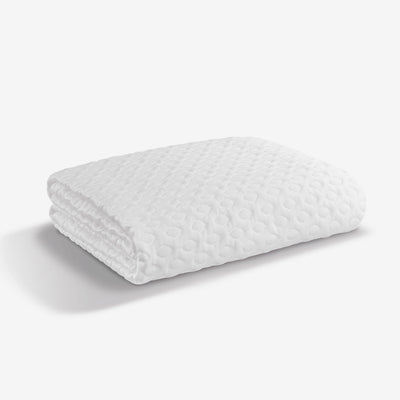
Why You Need a Mattress Protector
A quality mattress is an investment in your health, and you want it to last. While a bad mattress might not cause sciatica, an old, sagging one can definitely make the pain worse by failing to support your spine properly. This is where a good mattress protector comes in. It does more than just guard against spills and allergens; it preserves the integrity and support of your mattress. In fact, using a premium protector can even double the manufacturer's warranty. By keeping your mattress in top condition, you ensure it continues to provide the consistent, firm support your back needs for sciatica relief.
Other Self-Care Tips for Back Pain
Beyond your bedroom, a few simple daily habits can make a big difference in managing back pain. Gentle stretching, especially for your hamstrings and lower back, can help release tension that builds up during the day. Also, pay attention to your posture when you're sitting or standing; the goal is always to maintain that same neutral spinal alignment you aim for at night. If you have an adjustable base, you can use it to find a supportive, slightly reclined position for reading or relaxing, taking pressure off your lumbar spine even when you're not sleeping. These small, consistent efforts, combined with the right sleep setup, create a powerful strategy for keeping sciatica pain under control.
Related Articles
- Best Mattress for Lower Back Pain: Our Top Picks – Mattress on Demand
- What Is the Best Mattress for Side Sleepers With Hip Pain – Mattress on Demand
- The 5 Best Mattresses for Back Pain Relief – Mattress on Demand
Book an Appointment
Frequently Asked Questions
Is a firm mattress always the best choice for sciatica? Not necessarily. While it's a common myth that you need a rock-hard mattress for back pain, a surface that's too firm can create painful pressure points on your hips and shoulders. For most people with sciatica, a medium-firm mattress is the ideal choice. It provides enough support to keep your spine aligned while still offering the cushioning needed to relieve pressure and provide comfort.
How can an adjustable base help with my sciatica pain? An adjustable base is a fantastic tool because it allows you to find a sleep position that takes direct pressure off your lower back. By slightly elevating your legs and upper body, you can reduce nerve compression and find immediate relief. This level of customization helps you maintain a neutral spine all night, which is crucial for calming sciatica and getting restorative sleep.
My current mattress is old. Could it be making my sciatica worse? Absolutely. An old mattress that has started to sag loses its ability to support your body properly. When a mattress sags, your hips and midsection sink too low, which throws your spine out of alignment and can put significant strain on your sciatic nerve. If your mattress is more than seven or eight years old or has visible dips, it's likely contributing to your pain.
What's the best sleeping position for sciatica? Sleeping on your side or back is best for managing sciatica. If you're a side sleeper, place a supportive pillow between your knees to keep your hips aligned. If you prefer sleeping on your back, slide a pillow under your knees to maintain the natural curve of your lower spine. The one position to avoid is sleeping on your stomach, as it can flatten your spine's curve and strain your neck.
Besides the mattress, what else is essential for a sciatica-friendly bed? The right pillow is just as important as the right mattress. A good pillow supports proper spinal alignment from your head down to your hips. Using a pillow strategically, either between your knees or under them, can make a huge difference. Also, a quality mattress protector is a smart move to preserve the support and integrity of your mattress, ensuring it continues to give you the relief you need for years to come.


