


 Hybrid
 Individual Pocketed Coil
 Foam
Foam Open Coil
 Latex
Latex


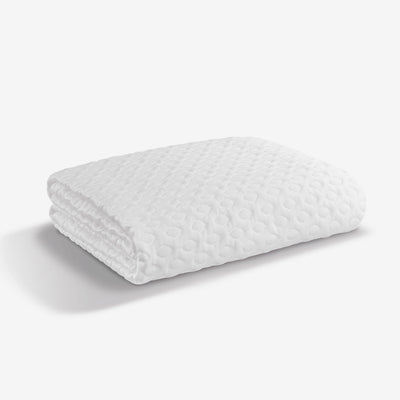


Forget those stiff, crinkly plastic sheets you remember. The kind that trapped heat and made you sweat. For a long time, that was the only option for protecting your mattress. Thankfully, that's no longer the case. Modern protectors are soft, silent, and completely unnoticeable. They use smart, breathable fabrics that block liquids while letting air circulate, so you stay cool and comfortable. You get total peace of mind without sacrificing an ounce of comfort. Let's find you the perfect waterproof mattress protector king that preserves the luxurious feel of your bed.
Key Takeaways
- Prioritize True Waterproofing Over Water-Resistance: A genuinely waterproof protector uses a breathable membrane to create a silent, complete barrier against spills and sweat. This technology ensures your mattress is fully shielded without making you feel hot or uncomfortable.
- A Snug Fit is Non-Negotiable for Comfort: For a protector to work effectively, it needs to fit perfectly. Measure your mattress's height and choose a protector with a pocket depth that's an inch or two deeper to ensure it stays smooth and secure all night long.
- Simple Care Preserves Your Investment: A protector is the best insurance for your mattress. To keep it working for years, wash it every few months with a gentle detergent and always tumble dry on low heat—high temperatures can damage the waterproof lining.
How Do Waterproof Mattress Protectors Actually Makes a Mattress Protector Waterproof?
Ever wonder what makes a mattress protector truly waterproof? It’s easy to picture a stiff, crinkly plastic sheet, but the technology has come a long way. The secret isn't magic; it's a smart material that works behind the scenes to keep your mattress pristine without making you feel like you're sleeping on a tarp.
The hero of most modern waterproof protectors is a super-thin layer called a thermoplastic polyurethane (TPU) membrane. Think of it as a high-tech gatekeeper for your mattress. This special layer is engineered with microscopic pores that are small enough to block water molecules from passing through but large enough to let air and water vapor (like sweat) escape. This design is what makes a quality protector both waterproof and breathable, so you stay cool and dry all night.
Because of materials like polyurethane, you can forget about the noisy, uncomfortable plastic covers of the past. Today’s best mattress protectors are designed to be soft, silent, and completely unnoticeable under your fitted sheet. It's also important to know the difference between "waterproof" and "water-resistant." A water-resistant protector can handle a small spill if you clean it up immediately, but it will eventually let moisture seep through. A truly waterproof protector creates a complete barrier against liquids, giving you total peace of mind against accidents, spills, and sweat. For protecting a significant investment like your mattress, waterproof is always the way to go.
Why a Waterproof Protector Is Your Mattress's Best Friend
Let’s be honest: a king mattress is a serious investment in your comfort and well-being. So, why would you leave it exposed to the daily realities of life? Think of a waterproof mattress protector as insurance for your sleep sanctuary. It’s not just a nice-to-have accessory; it’s an essential layer that guards your bed against everything you can see and plenty of things you can’t.
Every night, your mattress absorbs sweat, body oils, and dead skin cells. This creates a welcoming environment for dust mites and bacteria, which can trigger allergies and create unpleasant odors over time. A high-quality mattress protector creates an impermeable barrier, keeping your mattress fresh and hygienic for years. It’s the single most effective way to preserve that brand-new feeling.
Of course, there are also the more obvious threats: the morning coffee that gets knocked over, a sick child in the middle of the night, or a pet who has an accident. Without a waterproof layer, these spills can seep deep into the mattress foams and fibers, causing permanent stains, mildew, and damage that can void your mattress warranty. Cleaning a mattress is difficult and often ineffective, but you can simply toss a protector in the wash. By shielding your bed from life’s inevitable messes, a good protector can easily double the life of your mattress, saving you a significant amount of money in the long run. It’s a small, simple step that offers complete peace of mind.
Waterproof vs. Water-Resistant: Which One Do You Need?
When you’re shopping for a mattress protector, you’ll see the terms “water-resistant” and “waterproof” used often. They might sound similar, but the level of protection they offer is worlds apart. Think of a water-resistant protector as a light jacket in a drizzle—it helps for a moment, but it won’t hold up in a real downpour. It’s designed to repel liquid for a short time, giving you a few seconds to grab a towel and clean up a small spill before it soaks through.
A truly waterproof mattress protector, on the other hand, is your mattress’s high-tech storm gear. It creates a complete, impermeable barrier that stops liquids from ever reaching your mattress, no matter how long they sit there. This is what you need for real-life situations, from a knocked-over glass of water to a child’s nighttime accident. It’s the only way to guarantee your mattress stays clean, dry, and free from stains that can void its warranty.
Now, I know what you might be thinking: “Doesn’t waterproof mean sleeping on a crinkly, sweaty plastic sheet?” That used to be a valid concern, but modern protectors are much more sophisticated. The best ones are designed to be completely breathable. They use a special thin layer, often a TPU membrane, which has microscopic pores. These pores are tiny enough to block water molecules but large enough to let air and body heat escape, so you stay cool and comfortable all night long.
So, which one is right for you? If you're serious about protecting your mattress investment from spills, stains, allergens, and moisture that can lead to mold, a waterproof protector is the clear winner. It offers complete peace of mind and helps create a healthier sleep environment. A water-resistant option just doesn't provide the reliable, long-term defense your mattress deserves.
Understanding Your Options: Protectors, Pads, and More
Mattress Protector vs. Mattress Pad: What's the Difference?
Exploring the world of bedding can feel a little confusing, especially when terms like "protector" and "pad" are used interchangeably. But they actually serve very different purposes. A mattress protector is a thin, discreet layer designed purely for defense. Its main job is to shield your mattress from spills, sweat, and allergens without changing the way your bed feels. Think of it as invisible armor. A mattress pad, on the other hand, is thicker and designed to add a layer of cushioning. While some pads offer a degree of water resistance, their primary goal is to alter the comfort level of your mattress, making it feel a bit softer.
What About Bed Pads?
You might also come across bed pads, which serve a very specific and important function. Unlike protectors that encase the mattress, a bed pad is an absorbent sheet placed directly on top of your fitted sheet. They are designed to handle incontinence or other significant leaks, providing a quick and easy-to-change solution in the middle of the night. For ultimate peace of mind, many people use both. The bed pad acts as the first line of defense, absorbing the bulk of any liquid for a fast cleanup. Underneath it all, the mattress protector provides a final waterproof barrier, ensuring nothing ever reaches the mattress itself. This two-layer system offers complete security without sacrificing comfort.
Your Checklist for the Perfect King Size Waterproof Protector
Shopping for a mattress protector might seem straightforward, but a few key features separate the great ones from the ones that feel like a plastic sheet. When you’ve invested in a quality king size mattress, the right protector is essential for keeping it in pristine condition without sacrificing comfort. Here’s what you should keep an eye out for.
What's It Made Of? Why Material Matters
The magic behind a truly waterproof protector is usually a thin, specialized layer called a TPU (thermoplastic polyurethane) membrane. Think of it as a high-tech barrier with microscopic pores. These pores are small enough to block liquids like spills and sweat from seeping into your mattress, but large enough to let air and water vapor escape. This technology is a huge step up from old-school vinyl protectors. When you’re browsing different mattress protectors, look for ones that mention a polyurethane film or TPU backing—it’s a good sign that you’re getting effective, modern protection.
Common Top Layer Fabrics: Terry Cloth, Bamboo, and Cotton
While the waterproof membrane is the silent hero, the top fabric is what you'll actually feel under your sheets. This layer is all about comfort. High-quality protectors typically use soft, breathable materials like cotton, bamboo, or terry cloth to make sure you never feel like you're sleeping on plastic. Cotton is a classic choice, offering a soft, familiar feel that’s naturally breathable. Bamboo blends are fantastic for hot sleepers because they feel silky and cool to the touch. Terry cloth is another popular option; its looped texture is great at absorbing moisture quickly while staying soft and, most importantly, quiet. These fabrics are essential for creating a protector that feels like a seamless part of your bedding, not a noisy distraction.
A Note on Vinyl Protectors
You might also see protectors made from vinyl. There’s no question that vinyl is completely waterproof and very durable, which is why it’s often used in hospitals. However, for your bedroom, it comes with some major drawbacks. Vinyl isn’t breathable, so it traps body heat and can make you feel hot and sweaty. It’s also the main source of that crinkly, "trash bag" sound that many people want to avoid. On top of that, some vinyl products can contain chemicals like phthalates, which have raised health concerns. While vinyl is effective at blocking spills, it generally sacrifices the quiet comfort that modern protectors with fabric tops and TPU backing provide.
Don't Sweat It: Find a Breathable Protector
Have you ever woken up feeling hot and sweaty? A non-breathable mattress protector could be the culprit. The best waterproof protectors are designed to allow air to circulate, which helps regulate your body temperature and prevents that stuffy, trapped-heat feeling. This breathability ensures you stay comfortable all night long. Plus, modern materials have solved the noise problem. Unlike the crinkly plastic covers of the past, today’s protectors use advanced layers that are quiet and discreet, so you won’t hear a sound when you shift in your sleep.
Get the Right Fit (No More Bunching!)
A protector that bunches up or slides around is more than just an annoyance—it can also leave parts of your mattress exposed. Most protectors come in a fitted-sheet style, which is easy to put on and take off. To get a secure fit, check the pocket depth. Measure the height of your king mattress (including any pillow tops) and choose a protector with pockets deep enough to tuck securely underneath. A snug fit means the protector stays smooth and flat beneath your sheets, providing consistent protection across the entire surface without you even noticing it’s there.
Fitted-Sheet Style
This is the most popular style for a reason—it’s incredibly user-friendly. Fitted-sheet style protectors go on just like your favorite fitted sheet, with deep pockets and elastic edges that hug your mattress for a snug, secure fit. This design makes it super easy to take off and toss in the wash whenever needed. Not only does this style save your mattress from spills and stains that could void your warranty, but it also keeps sweat and dust mites from settling in. Because it stays smooth and flat under your sheets, you get consistent, unnoticeable protection. It’s a simple, effective solution that works for almost any bed, and it’s one of the most common types you’ll find when browsing for quality protectors.
Corner Strap Style
If you’re a restless sleeper who tends to toss and turn, a corner strap protector might be a great fit for you. Instead of a fully elasticized edge, this design uses four strong elastic straps that loop around the corners of your mattress, holding the protective layer firmly in place. This approach is excellent for preventing the protector from shifting or bunching up during the night, ensuring the surface stays smooth and comfortable. As one source notes, this style helps eliminate the frustration of bedding that won’t stay put. It’s a straightforward design that focuses on one thing: keeping your protection exactly where it needs to be, no matter how much you move.
Zippered Encasement Protectors
For the ultimate defense, nothing beats a zippered encasement protector. This style provides 360-degree coverage by completely enclosing your mattress and sealing with a zipper. It’s the most comprehensive option available, creating an impenetrable barrier that shields your bed from every angle. This means you’re protected not only from spills and stains but also from allergens, dust mites, and even pests like bed bugs. According to experts, this type of protector acts as a barrier that extends the life of your mattress and maintains a truly clean sleeping space. If you have severe allergies or simply want total peace of mind for your mattress investment, an encasement is the best choice.
Say Goodbye to Crinkly Noises
Ultimately, a mattress protector should do its job without changing the feel of your bed. You shouldn't have to choose between protection and comfort. The best options have a soft, fabric top layer, often made of cotton or a gentle blend, that feels comfortable against your skin. This top layer works with the waterproof membrane to create a barrier that is both effective and unnoticeable. The goal is to find a protector that gives you complete peace of mind against spills and accidents while being so quiet and comfortable that you forget it’s even there.
What to Expect Right Out of the Package
When you first take your new mattress protector out of its packaging, you might be surprised. Forget any ideas about a stiff, noisy plastic sheet. The best modern mattress protectors are designed to be soft, quiet, and so comfortable you’ll forget it’s even there. You won't hear any crinkling or rustling when you move around in bed. Instead, you’ll find a smooth, breathable fabric that works silently under your fitted sheet. Right from the first night, it creates a protective barrier against dust, dirt, and other allergens, helping you maintain a cleaner and healthier sleep environment from the get-go.
Safety First: Certifications and Considerations
When you're adding a new layer to your bed, you want to be sure it's contributing to a healthy sleep environment, not taking away from it. Beyond just blocking spills, a quality protector should be made from materials that are safe for you and your family to be around every single night. This means paying attention to what it's made of and looking for trusted certifications that guarantee it's free from harmful substances. It’s an extra step that provides invaluable peace of mind, especially when choosing bedding for the most vulnerable members of your family.
Look for Safety Certifications
One of the most reliable indicators of a safe product is the OEKO-TEX STANDARD 100 certification. When you see this label, it means the protector has been rigorously tested for a long list of harmful chemicals and has been proven to be safe for human health. This certification ensures the product does not contain substances like vinyl, PVC, phthalates, or harsh fire-retardant chemicals. Choosing a certified protector is a simple way to ensure you’re creating a cleaner, healthier space to rest, free from potentially irritating materials that have no place in your bed.
Special Considerations for Nurseries
Nowhere is safety more critical than in a nursery. When it comes to a baby’s crib, the distinction between "water-resistant" and "waterproof" is crucial. A water-resistant cover simply won't stand up to the challenges of a leaky diaper, leading to a damp, unhygienic mattress. A truly waterproof protector is essential for keeping the crib mattress clean, dry, and free from bacteria or mold growth. By creating a complete barrier, it ensures your little one has a safe and sanitary surface to sleep on, which is one less thing for you to worry about.
Special Buying Considerations
Once you've narrowed down the material and safety features, a few practical details can make all the difference in how well your protector performs. Factors like how it fits with an adjustable bed or whether it offers protection against pests are important considerations that can impact your long-term satisfaction. Thinking through these specific scenarios before you buy will help you select a protector that seamlessly integrates with your sleep setup and meets all your needs from day one.
Using Protectors with Adjustable Beds
If you have an adjustable base, you know that not all bedding plays nicely with the constant movement. A thick or poorly fitting protector can easily bunch up or pull off at the corners when you raise the head or foot of the bed. To avoid this, look for a protector that is thin, flexible, and has a strong elastic band. A snug, fitted-sheet style with deep pockets is your best bet, as it will grip the mattress securely and move with it. This ensures the protector stays smooth and in place, so you can enjoy all the benefits of your adjustable bed without any hassle.
A Note on Bed Bugs
It's important to have clear expectations about what a mattress protector can and can't do. While most protectors are excellent at blocking allergens like dust mites, they don't all guard against bed bugs. If bed bugs are a concern, you need a specific type of protector: a full encasement model. These protectors cover all six sides of the mattress and seal with a zipper, trapping any pests inside and preventing new ones from getting in. A standard, five-sided fitted-sheet style protector will not offer this level of protection.
Important Reminder: Not All Protectors Are Waterproof
We've touched on this before, but it's worth repeating because it's the most important takeaway. The terms can be confusing, but the performance difference is huge. As a final reminder, a water-resistant protector can handle a small spill if you clean it up immediately, but it will eventually let moisture seep through. A truly waterproof protector creates a complete barrier against liquids, giving you total protection. For a significant investment like your mattress, settling for anything less than fully waterproof just isn't worth the risk. Always choose waterproof for genuine peace of mind.
My Top Picks for King Size Waterproof Protectors
With so many options out there, finding the right mattress protector can feel like a chore. But think of it as the final, crucial step in creating your perfect sleep sanctuary. A great protector shields your mattress—one of the most important investments in your home—from the realities of life. Spills, sweat, allergens, and dust mites don’t stand a chance. To make your decision easier, I’ve sorted through the noise to find the best performers for every need and budget.
Whether you’re looking for iron-clad defense for a busy family bed, a simple and affordable shield, or a clean, green option, there’s a protector for you. The right one will feel like it’s not even there, preserving the comfort of your mattress while giving you total peace of mind. Ready to find your match? Here are my top picks for keeping your king mattress pristine for years to come. You can also browse our curated collection of high-quality mattress protectors to find the perfect fit for your bed.
Best Overall: The Ultimate Spill-Proof Shield
If you want a protector you can put on and completely forget about, look for a durable, high-quality option built for serious defense. A great example is the SafeRest Waterproof King Size Mattress Protector, known for its strong protection against liquids and allergens without sacrificing comfort. This is the kind of protector you want for the master bedroom, especially if you have kids or pets who love to pile onto the bed. It’s designed to handle real life, from spilled coffee to allergy season, and it’s typically easy to toss in the wash. Investing in a protector like this means you can truly relax, knowing your mattress is completely shielded.
Best on a Budget: Quality Protection That's Affordable
You don’t have to spend a lot to get effective protection for your mattress. There are fantastic budget-friendly options that get the job done without any fuss. A standout in this category is the IKEA Grusnarv, which a Wirecutter review found to be soft, effective, and about half the price of more premium brands. It successfully stops all liquids from reaching the mattress, which is the number one job of a waterproof protector. This is the perfect choice for a guest room, a first apartment, or anyone who wants reliable, no-frills protection that works. It proves that keeping your mattress safe doesn’t have to break the bank.
Best for Sensitive Skin: Natural & Hypoallergenic
For those who prioritize a clean and healthy home, a natural, hypoallergenic protector is the way to go. These are made without the harsh chemicals often found in other bedding products. The Organic Waterproof Mattress Protector from Avocado Green Mattress is a perfect example, crafted without PFAS, formaldehyde, or other questionable chemicals. It effectively guards against stains, odors, and spills while being safer for your family and the environment. Choosing an organic and hypoallergenic option means you can sleep soundly, knowing your bedding is pure, non-toxic, and gentle on sensitive skin. It’s a choice that’s good for your mattress and your well-being.
How to Measure for a Perfect Fit on Your King Mattress
Getting the right size protector for your king mattress goes beyond just length and width—it’s all about the depth. A protector that’s too small will constantly pop off the corners, while one that’s too large will bunch up and create uncomfortable wrinkles under your sheets. The goal is a snug, smooth fit that feels like it’s not even there.
Before you start shopping, grab a tape measure and find the exact height of your mattress. Measure from the bottom edge all the way to the top crown. If you have a pillow top or a thicker model, this step is especially important. Once you have that number, you can shop with confidence. Look for a protector with a pocket depth that matches or, even better, exceeds your mattress’s height by an inch or two. This extra fabric allows the elastic to tuck securely underneath the mattress, keeping it firmly in place.
Most of the mattress protectors you’ll find are fitted-sheet style. For the most secure hold, look for one with a strong, continuous elastic band that goes all the way around the bottom edge. This design provides a much tighter grip than protectors that only have straps at the corners. If you’re looking for complete, 360-degree protection against allergens and pests, a zippered encasement that fully encloses the mattress is another great option. It’s a bit more work to put on, but the peace of mind is unbeatable.
How Much Should a Good Waterproof Protector Cost?
When you start shopping for a waterproof protector, you’ll notice prices can be all over the map. It’s easy to wonder if you really need to spend a lot to get something that works. The simple answer is no. You can find excellent, long-lasting protection without breaking the bank; in fact, some of the most effective protectors are surprisingly affordable. The key is to figure out what features matter most to you and find a protector that fits your budget.
Think of the cost in terms of an investment. You’ve already spent a good amount on your king mattress, so spending a little more to keep it in pristine condition just makes sense. A quality mattress protector is one of the smartest purchases you can make for your bedroom because it can literally double the life of your mattress, saving you from having to buy a new one sooner than you’d like.
Generally, you can expect to find good king-size options in the $50 to $150 range. Protectors on the lower end of that scale will offer solid, no-frills waterproofing. As you move into the mid-to-higher price points, you’ll start seeing premium features like advanced cooling fabrics, organic materials, and a softer, quieter feel. You can find good options at different prices, so it really comes down to personal preference. Whether you prioritize a cool night's sleep or just want basic spill-proofing, there’s a protector out there that’s right for you and your mattress.
Where to Buy Your Perfect Mattress Protector
Once you know what you’re looking for in a protector, the next step is finding the right one. You have plenty of options, from big online marketplaces to specialty bedding stores. But if you’re in the Katy, Richmond, or Rosenberg area, your best bet is to start with a sleep expert who knows your mattress inside and out.
At Mattress on Demand, we help you find the perfect mattress protector that fits your king bed like a glove. Because we know our mattresses so well, we can recommend a protector that complements its specific features—like ensuring a cooling mattress stays cool or a memory foam one retains its contouring feel. This takes the guesswork out of the equation, so you can be confident you’re getting a product that’s guaranteed to work with your sleep setup.
Of course, you can also find protectors at large national retailers. Stores like Mattress Firm carry a wide selection, and online giants like Amazon offer nearly endless choices for every budget. While these places provide variety, they often lack the personalized service needed to match the right protector to your specific mattress for optimal performance and comfort. The key is to find a retailer who understands sleep systems, not just individual products. That’s how you’ll walk away with a protector that truly does its job for years to come.
How to Wash Your Protector So It Lasts
You’ve found the perfect mattress protector to guard your king bed—great! Now, let's make sure it lasts. A little bit of care goes a long way in keeping that waterproof barrier strong and effective for years to come. Luckily, it’s incredibly simple.
First things first, give it a wash before you even put it on your bed. This helps soften the fabric, making it more comfortable from night one. When it's time for a regular cleaning, toss it in the washing machine with a gentle, eco-friendly detergent. Steer clear of bleach, as it can break down the waterproof materials and compromise the protection you're counting on.
When it comes to drying, low and slow is the way to go. Tumble dry your protector on a low heat setting. High heat is the enemy of waterproof layers and can cause them to warp or melt, so patience is key here. This gentle drying method ensures the protector stays soft and maintains its integrity.
So, how often should you wash it? If you haven’t had any major spills or accidents, washing your protector every three months or so is plenty. This keeps it fresh and free from the dust mites and allergens it's been trapping. Of course, if a spill does happen, you’ll want to wash it right away to prevent stains and keep everything hygienic. By following these simple steps, you’ll keep your protector in top shape, ensuring your mattress stays clean and you sleep soundly.
What to Avoid When Cleaning
To keep your protector in top shape, knowing what to avoid is just as crucial as knowing the right steps. The two biggest enemies of a waterproof protector are harsh chemicals and high heat. Always skip the bleach and fabric softeners when you wash it. While they might seem like a good idea for cleaning, these chemicals can actually break down the waterproof membrane, leaving your mattress vulnerable. Then, when it’s time to dry, resist the urge to use a high heat setting. That intense heat can cause the protective layer to warp or even melt, ruining its effectiveness. A simple rule to remember is: gentle detergent, low heat. By avoiding these common mistakes, you'll ensure your mattress protector continues to do its job perfectly for years.
Related Articles
- 5 Best King Size Mattress Cover Waterproof Picks – Mattress on Demand
- 4 Softest Mattress Protectors for Ultimate Comfort – Mattress on Demand
Frequently Asked Questions
Will a waterproof protector make me feel hot and sweaty at night? Not at all, as long as you choose a modern one. The uncomfortable, plastic-like protectors of the past have been replaced by advanced materials. Quality protectors use a breathable membrane with microscopic pores that block liquids but allow air and body heat to escape, so you stay cool and comfortable all night long.
Will a protector change the feel of my new mattress? A good protector should be completely unnoticeable. They are designed to be thin, soft, and quiet, so they won't alter the comfort or support of the mattress you carefully selected. The goal is to shield your bed from damage without you ever knowing it's there.
Do I really need a waterproof protector if I don't have kids or pets? Yes, absolutely. While you might not worry about big spills, every person produces sweat and body oils while they sleep. Over time, this moisture seeps into your mattress, creating an environment for allergens and bacteria. A protector creates a hygienic barrier that keeps your mattress fresh and extends its life significantly.
How often should I wash my mattress protector? A good rule of thumb is to wash it every two to three months, just as you might with your duvet or pillows. This removes the dust, skin cells, and allergens it has trapped. Of course, if you have a spill, you should wash it right away to keep everything clean and sanitary.
What's the best way to dry my protector without damaging the waterproof layer? The most important rule is to avoid high heat. Tumble dry your protector on a low or no-heat setting. High temperatures can damage the waterproof membrane, causing it to crack or melt, which would make it ineffective. A little patience with a low-heat cycle will ensure your protector lasts for years.


