



 Hybrid
 Individual Pocketed Coil
 Foam
Foam Open Coil
 Latex
Latex


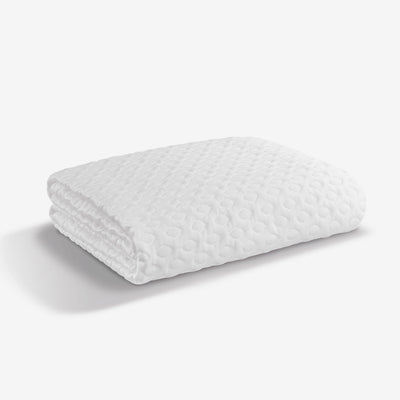


The technology behind the memory foam mattress is pretty impressive—it was originally developed by NASA to cushion astronauts during liftoff. Now, that same pressure-absorbing material is used to give you an incredible night's sleep. It works by using your own body heat and weight to soften and mold perfectly to your shape, creating a supportive cradle that feels completely custom. At its core, it’s a sleep system built from a viscoelastic foam that provides unparalleled pressure relief and support. We’ll cover the simple science behind how it works, why it’s so durable, and how to choose the perfect one for you.
Key Takeaways
- Memory Foam Molds to You for Targeted Relief: The foam uses your body heat and weight to create a personalized sleep surface, cradling your hips and shoulders to keep your spine aligned and reduce aches and pains.
- Match Firmness to Your Sleep Position: Choose a firmness level that supports how you sleep—softer for side sleepers, medium-firm for back sleepers, and firm for stomach sleepers—to get the best possible support.
- Modern Foam is Cool and Built to Last: Today’s memory foam mattresses often include cooling features to prevent overheating, and you can protect your investment for years with a quality mattress protector and regular rotations.
So, What Exactly Is Memory Foam?
You’ve probably heard the term “memory foam” a thousand times while shopping for a new bed, but what does it actually mean? It’s not just a marketing buzzword; it’s a unique material designed with your comfort in mind. Originally developed by NASA to cushion astronauts during takeoff, this innovative foam has since become a game-changer for sleep. It offers a completely different feel from traditional innerspring beds, creating a sleep experience that’s both supportive and deeply contouring. Let's break down what it is and what makes it so different from the foam in your couch cushions.
What Is It Made Of?
At its core, memory foam is a man-made material called viscoelastic foam. The main ingredient is polyurethane, a type of polymer you find in many everyday items. What makes it special are the added compounds that give it “viscoelastic” properties. Think of it this way: “visco” refers to its ability to slowly change shape under pressure, like thick honey. “Elastic” refers to its ability to stretch and always return to its original form. This unique combination is what allows the foam in our mattresses to perfectly cradle your body, creating a personalized sleep surface just for you every single night.
How Is It Different From Other Foams?
The real magic of memory foam lies in how it reacts to you. Unlike the bouncy, spring-back foam in a standard cushion, memory foam uses your own body heat and weight to soften and mold to your exact shape. This creates that signature “hugging” sensation that so many people love. When you press your hand into it and lift away, you’ll notice it takes a few seconds to return to its original form. This slow response is what provides incredible pressure relief, absorbing impact and cushioning your joints instead of pushing back against them. It’s a smarter, more responsive material built for restorative sleep.
How Does Memory Foam Actually Work?
Memory foam feels almost magical, but its unique properties come down to some clever science. Unlike the bouncy foam in a couch cushion, memory foam is made from a material called viscoelastic polyurethane. That’s just a fancy way of saying it changes shape under pressure and heat, and it’s slow to bounce back. This is what creates that signature "sinking in" feeling that cradles your body. The two main things happening when you lie down on a memory foam mattress are its reaction to your body and its ability to contour perfectly to your shape. Let's break down what that means for your sleep.
How It Adapts to Your Body's Heat and Weight
The moment you lie down, the memory foam gets to work. It softens when it comes into contact with your body heat and slowly molds to your unique shape, spreading your weight evenly across the surface. Think of it as getting a gentle, supportive hug all night long. This personalized fit is what sets memory foam apart from other materials. Instead of forcing your body to conform to the mattress, the mattress conforms to you. This adaptive support is a key reason why so many different types of sleepers find comfort on these mattresses, as the foam adjusts to provide support exactly where it's needed.
Contouring for Perfect Pressure Relief
Because memory foam molds to your body, it does an incredible job of reducing stress on your joints. This contouring action helps distribute your weight, which means less pressure on key areas like your shoulders, hips, and lower back. For anyone who wakes up with aches and pains, this can be a game-changer. The foam fills in the gaps, like the curve of your lower back, providing support instead of leaving it unsupported. This is why many people find it can help with joint pain and stiffness, allowing you to wake up feeling refreshed instead of sore. A Helix Mattress, for example, often combines memory foam layers to deliver this targeted pressure relief.
Zoned Support for Spinal Alignment
One of the smartest features you'll find in modern memory foam is zoned support, which is engineered specifically to promote healthy spinal alignment. Instead of one uniform firmness level, these mattresses have different support zones built right in. The center third is typically firmer to provide targeted support for your lower back and hips, preventing them from sinking too deeply and knocking your spine out of line. Meanwhile, the zones under your shoulders are often slightly softer, allowing for gentle contouring that relieves pressure points. This combination ensures your body is properly supported all night, making it a key reason why the right mattress can help you wake up feeling refreshed and free from aches.
Why Choose a Memory Foam Mattress?
So, you understand how memory foam works, but what does that mean for your sleep? The unique properties of this material translate into some incredible benefits that can completely change how you feel when you wake up. If you're tired of restless nights and achy mornings, a memory foam mattress might be exactly what you need. It’s more than just a comfortable surface; it’s a material engineered to support better, more restorative sleep. Let's look at the key reasons why so many people are making the switch.
Find Your Best Alignment and Pressure Relief
If you ever wake up with a sore back or stiff joints, this is the benefit for you. Memory foam is famous for the way it molds to your body’s unique shape. This contouring action cradles your hips, shoulders, and other pressure points, distributing your weight evenly across the surface. By reducing this stress, it helps keep your spine in a neutral, straight position all night long. This proper spinal alignment can significantly reduce back pain and stop you from tossing and turning to find a comfortable spot. It’s like getting a gentle, supportive hug that lasts until your alarm goes off.
Sleep Through the Night with Motion Isolation
For anyone who shares a bed, motion isolation is a game-changer. Because memory foam is so dense, it absorbs movement right where it happens instead of transferring it across the bed. This means you’re far less likely to feel your partner getting in and out of bed, rolling over, or adjusting their position during the night. If you’re a light sleeper who wakes up at the slightest disturbance, this feature can lead to deeper, more uninterrupted rest. You can finally sleep undisturbed without having to nudge your partner to stay still.
Breathe Easier on a Hypoallergenic Surface
Allergies can make getting a good night's sleep feel impossible. The dense structure of memory foam makes it naturally resistant to common allergens. It’s much harder for dust mites, mold, and pet dander to penetrate the material and build up over time compared to traditional innerspring mattresses. This creates a healthier, cleaner sleep environment, which is a huge relief for allergy and asthma sufferers. For an extra layer of defense, pairing your bed with one of our mattress protectors can keep your sleep space fresh and hygienic for years to come.
Built for Years of Comfortable Sleep
A mattress is a significant purchase, so you want to know it’s going to last. High-quality memory foam is incredibly durable and resilient. Unlike some materials that can sag or develop lumps over time, a well-made memory foam mattress maintains its supportive structure for years. A good one can easily last over a decade, providing consistent comfort and pressure relief night after night. When you choose from our selection of premium mattresses, you’re not just buying a bed—you’re making a long-term investment in your well-being and quality of sleep.
Are There Any Downsides? What to Expect
Memory foam is an incredible material, but like anything, it’s not perfect for everyone right out of the box. Being aware of a few common experiences can help you make a confident choice and know exactly what to expect when your new mattress arrives. Think of it less as a list of cons and more as a friendly heads-up. Most of these are temporary quirks that come with getting a brand-new, high-quality product. From a slight temperature adjustment to a "new mattress" scent, these are small hurdles on the way to amazing sleep. Knowing about them beforehand means you can breeze through the adjustment period and get straight to enjoying the deep, restorative rest you deserve.
Debunking the Myth of Sleeping Hot
You’ve probably heard the rumor: memory foam mattresses can sleep hot. While that was true for some of the early models, mattress technology has come a long way. The idea that all memory foam traps heat is now mostly a myth. Today’s advanced memory foam is designed with breathability in mind. Many high-quality mattresses incorporate cooling technologies like gel infusions or open-cell structures that promote airflow and pull heat away from your body. Brands like Helix even specialize in creating mattresses with enhanced cooling features, so you can get that body-hugging comfort without overheating.
Potential for Heat Retention
One of the most persistent concerns about memory foam is its potential to trap heat. To be fair, some of the earliest models did have a tendency to hold onto body heat, which could make for a warm night, especially for those who naturally sleep hot. However, mattress technology has come a long way since then. Today’s advanced memory foam is specifically engineered with cooling in mind. Many of the high-quality mattresses we offer incorporate features like gel infusions or open-cell structures that actively promote airflow and dissipate heat, ensuring you stay comfortable all night long.
Slow Response and Low Bounce
When you lie down on a memory foam mattress, you’ll notice it doesn’t spring back instantly like a traditional innerspring bed. This is the material’s “slow response” quality at work. The foam is designed to absorb pressure and contour to your body, creating that signature deep-hugging sensation. While this means less bounce, it’s also the key to its incredible pressure relief and motion isolation. For some people, especially those who change positions often, this unique feel can take a little getting used to. But if you’re seeking a bed that perfectly molds to your shape and makes you feel supported, this slow-molding feature is a major benefit that pairs perfectly with our adjustable bases.
That "New Mattress" Smell (and Why It Fades)
When you first unbox your memory foam mattress, you might notice a faint, distinct smell. This is completely normal and is known as off-gassing. It’s the result of the foam materials, primarily polyurethane, being released from their airtight packaging. Think of it like the smell of a new car—it’s temporary and harmless. For most quality mattresses, this scent will completely disappear within 24 to 48 hours. You can speed up the process by letting your mattress air out in a well-ventilated room before putting on your bedding. The smell is usually much less noticeable in higher-end mattresses made with certified, quality materials.
How Long Does Off-Gassing Last?
So, how long do you have to live with that "new mattress" smell? The good news is, not very long at all. For most high-quality memory foam mattresses, the off-gassing process is over within 24 to 72 hours. The scent is strongest right after you unwrap it because the materials have been sealed in plastic, but it fades quickly once exposed to air. To help it along, open a window or turn on a fan in the room to get the air circulating. It's also a good idea to wait a day before putting on your sheets and a mattress protector to let the mattress breathe freely. It’s worth noting that mattresses made with certified, low-VOC foams tend to have a much milder scent that disappears even faster.
What to Expect During the Adjustment Period
Switching to a memory foam mattress can feel a little different at first, and your body might need some time to get used to it. If your old mattress was worn out and unsupportive, your body may have gotten used to being in a less-than-ideal alignment. The contouring feel of memory foam, where it hugs your curves, can also be a new sensation. Some people describe it as feeling like they’re sinking in. This is just the foam doing its job! Give yourself a few nights, or even a couple of weeks, to fully adapt. This break-in period allows the foam to soften slightly and your body to adjust to proper support and pressure relief.
How to Choose the Right Memory Foam Mattress
Walking into a mattress store or browsing online can feel a bit overwhelming with all the different options. But finding the perfect memory foam mattress doesn't have to be complicated. When you know what to look for, you can confidently pick a bed that feels like it was made just for you. It really comes down to four key things: how firm it is, the quality of the foam, how thick it is, and any extra features that add to your comfort and peace of mind. By focusing on these elements, you can cut through the noise and find a mattress that will give you incredible sleep for years to come. Let's break down exactly what you need to check for.
Finding the Right Firmness for Your Sleep Style
Firmness is all about getting the right support to keep your spine in a healthy, neutral alignment all night long. Think of it on a scale from 1 (super soft) to 10 (very firm). The ideal level for you depends almost entirely on how you sleep. If you’re a side sleeper, you’ll likely want a soft to medium mattress that can cushion your shoulders and hips. For back sleepers, a medium-firm feel is usually the sweet spot, offering enough support to hold up your spine without creating pressure points. And if you’re a stomach sleeper, a firmer mattress is your best bet to prevent your hips from sinking too low and arching your back.
Decoding Density for Better Quality
When you see "density" mentioned, it’s just a way of measuring the quality and durability of the foam. It’s measured in pounds per cubic foot (PCF), and a higher number generally means the mattress will last longer. For a great balance of long-lasting support and comfort, look for a density between 3.0 and 5.0 PCF. While very high-density foams used to have a reputation for trapping heat, modern designs have pretty much solved that issue. A quality density ensures your mattress will hold its shape and support you properly for many years, making it a smart investment in your sleep.
Does Mattress Thickness Matter for Support?
The overall thickness of a mattress, often called its profile, plays a big role in how supportive it feels. Most memory foam mattresses range from 6 to 14 inches thick. While a thinner mattress can work well for a child or a guest room, most adults will feel more comfortable on a mattress that is at least 10 inches thick. The most important part is the top comfort and transition layers—you’ll want those to be at least 4 inches thick combined. This ensures you get that wonderful contouring feeling without sinking through to the firmer support core underneath.
Look for Cooling Tech and Safety Certifications
If you’ve heard that memory foam sleeps hot, that’s old news. Today’s advanced foams are designed specifically for a cool night's sleep. Many high-quality options, like the Helix Mattress, use cooling technology like gel infusions, graphite, or open-cell structures to pull heat away from your body and improve airflow. Finally, always check for a CertiPUR-US® certification. This is a simple way to know the foam in your mattress is made without harmful chemicals like formaldehyde, heavy metals, or certain flame retardants. It’s a promise that your bed is safe for you and your family, so you can rest easy in every sense of the word.
Material Infusions for Cooling and Freshness
Forget what you've heard about memory foam trapping heat—that's a problem of the past. Today’s advanced memory foam is designed specifically for a cool night's sleep. Many high-quality options, like the Helix Mattress, use cooling technology like gel infusions, graphite, or open-cell structures to pull heat away from your body and improve airflow. Think of these infusions like adding cooling ingredients to a recipe. Gel, for instance, works to absorb and dissipate your body heat, while materials like copper and graphite are naturally conductive and help draw warmth away from the surface. This modern engineering means you can enjoy the deep, contouring pressure relief of memory foam without sacrificing a cool and comfortable sleep environment.
Important Certifications to Look For
When you're choosing a mattress, you're also choosing what you and your family will be breathing in for eight hours a night. That's why you should always check for a CertiPUR-US® certification. This is a simple way to know the foam in your mattress is made without harmful chemicals like formaldehyde, heavy metals, or certain flame retardants. It also ensures low VOC (Volatile Organic Compound) emissions, which means less of that "new mattress" smell and better indoor air quality. It’s a promise that your bed is safe for you and your family, so you can rest easy in every sense of the word when you bring one of our mattresses home.
How Does Memory Foam Compare to Other Mattresses?
When you're shopping for a new bed, you'll quickly see that memory foam isn't your only option. The two other major players are traditional innerspring mattresses and newer hybrid models. Understanding the key differences in how they feel and perform is the best way to figure out which one will give you the sleep you've been dreaming of. Let's break down how memory foam stacks up against the competition.
Memory Foam vs. Innerspring: Which Is Better?
The classic mattress debate often comes down to foam versus springs. An innerspring mattress uses a core of steel coils for support, giving it that familiar bouncy feel many of us grew up with. This design allows for plenty of airflow, which is a big plus if you tend to sleep hot. Memory foam, on the other hand, is all about contouring. It uses your body heat and weight to mold to your unique shape, cradling your joints and relieving pressure points. This also makes it fantastic at isolating motion, so you won't feel your partner tossing and turning. If you love a responsive, springy surface, an innerspring might be for you. If you need deep pressure relief, memory foam is usually the winner.
Memory Foam vs. Hybrid: What's the Difference?
What if you don't want to choose between foam and springs? That's where hybrid mattresses come in. They truly offer the best of both worlds by combining a supportive innerspring coil base with thick comfort layers of memory foam on top. You get the deep, contouring pressure relief and motion isolation from the foam, plus the responsive bounce, sturdy edge support, and breathability from the coils. For many people, this combination is the perfect balance. It feels less like you're sinking "into" the mattress and more like you're being perfectly supported "on" it. Brands like Helix have perfected this design, making it a popular choice for all types of sleepers.
Comparing Edge Support and Response Time
Two other terms you’ll hear are edge support and response time. Edge support is just how sturdy the sides of the mattress feel. If you often sit on the edge of the bed to tie your shoes or need a stable surface to push off from, this is important. Because memory foam is designed to contour, it can sometimes feel softer at the edges. Response time is how quickly the foam bounces back after you move. Memory foam’s slow response creates that signature deep hug, but it doesn’t have the immediate bounce of an innerspring. This is another area where hybrid mattresses shine, as their coil base often provides stronger edge support and a more responsive feel while still giving you the pressure-relieving comfort of foam on top.
Memory Foam vs. Latex: A Breathable Alternative
Even with all the cooling technology packed into today's memory foam, some people are simply natural-born hot sleepers. If you find yourself consistently kicking off the covers, you might want to consider latex. Latex mattresses are famous for their natural breathability, allowing air to circulate freely and keep you from overheating. Unlike memory foam, which relies on your body heat to soften and contour, latex maintains a cooler surface temperature throughout the night. This makes it a fantastic alternative for anyone who needs serious temperature regulation to get a comfortable night's sleep.
The feel is also quite different. While memory foam provides that slow-sinking, deep hug, latex has a more buoyant and responsive feel. It still contours to your body to relieve pressure, but it bounces back into shape much more quickly. This means you feel like you’re sleeping on the mattress rather than in it, making it easier to change positions. If you want pressure relief without that classic memory foam sink, exploring different types of mattresses is a great next step to find your perfect match.
How to Care for Your Memory Foam Mattress
You’ve invested in incredible comfort, and with a little care, your memory foam mattress will support you for years to come. Unlike traditional mattresses, memory foam requires slightly different handling, but it’s nothing you can’t manage. Following a few simple steps will protect its structure, keep it clean, and ensure you get the most out of every night’s sleep. Think of it less as a chore and more as a way to preserve that brand-new mattress feeling.
How to Make Your Mattress Last Longer
The best way to extend the life of your mattress is to protect it from day one. Start with a high-quality, waterproof mattress protector. This is your first line of defense against spills, sweat, and allergens, all of which can degrade the foam over time. To ensure the foam wears evenly, rotate your mattress 180 degrees (from head to foot) every three to six months. Most memory foam mattresses are built with a one-sided design, so you shouldn’t flip them over. Also, make sure your mattress is on a supportive foundation, like a solid platform bed or an adjustable base, to prevent sagging and maintain its integrity.
Factors That Affect Lifespan
A good memory foam mattress usually lasts between 7 to 10 years, but this can vary. The lifespan really depends on a few key things: the quality of the foam, how often it’s used, and how well you care for it. A mattress made with higher-density foam will generally hold up longer than one with lower-density foam. Similarly, a bed in a guest room will last much longer than the one you sleep on every single night. Consistent care, like using a protector and rotating it regularly, plays a huge part in getting the most years out of your investment and ensuring it provides consistent support.
The Importance of a Good Foundation
The right base is non-negotiable for a memory foam mattress. Unlike innerspring beds, memory foam needs a solid, flat surface to perform its best and avoid premature sagging. Placing it on old, worn-out box springs with uneven slats can cause the foam to dip and wear down unevenly, which can ruin your mattress and your sleep. To properly support your investment, make sure your mattress is on a supportive foundation, like a solid platform bed or one of our adjustable bases. This will maintain its structural integrity and give you the consistent, even support you need for a great night's sleep.
Why You Shouldn't Jump on the Bed
As tempting as it might be, jumping on a memory foam mattress is a bad idea. Memory foam is much softer and more absorbent than a traditional spring mattress, and it simply isn't designed to handle that kind of concentrated impact. Bouncing on it can cause the foam cells to break down and lose their ability to contour and support you properly. To keep your mattress in great shape for years to come, it’s best to keep kids and pets from bouncing on it. Think of it as a quiet zone for relaxation, not a trampoline.
Easy Cleaning Tips for a Fresh Mattress
Keeping your sleep space fresh is simple. First, wash your bedding, including sheets and pillowcases, every week or two. For the mattress itself, use your vacuum’s upholstery attachment every few months to remove dust, hair, and skin cells that accumulate on the surface. If a spill happens, act quickly. Blot the liquid with a clean, dry cloth—don’t rub it in. Then, spot-clean the area with a mild soap and water solution, dabbing gently. Be careful not to saturate the foam, and let the spot air dry completely before putting your sheets back on. This simple routine keeps your mattress hygienic and comfortable.
Airing Out Your Mattress Regularly
Here’s a simple trick to keep your mattress feeling fresh for years: let it breathe. Every few weeks, or whenever you change your bedding, take a little extra time to strip everything off the bed. Leave the mattress uncovered for a few hours in a well-ventilated room, maybe with a window open or a fan running. This allows any moisture that has built up to evaporate completely, which helps maintain the integrity of the foam. It’s especially important when your mattress is brand new to help any "new mattress" smell, or off-gassing, fade away quickly. This small habit is an easy way to protect your investment and ensure a clean, comfortable sleep environment.
Signs It's Time for a Replacement
Even the best memory foam mattress has a lifespan, typically lasting between seven and ten years. But age isn't the only sign it's time for an upgrade. Take a close look at your mattress surface. Do you see permanent dips or a body impression that doesn't bounce back, especially where you usually sleep? These are clear signs the foam is breaking down and losing its ability to support you. The most telling clue, however, is how you feel in the morning. If you consistently wake up with new aches and pains in your back, neck, or hips, your mattress is likely the culprit. It's no longer providing the pressure relief it once did, and it might be time to start looking for new mattresses that can give you the restorative sleep you deserve.
Is a Memory Foam Mattress Right for You?
This is the big question, isn't it? After learning all about what memory foam is and how it works, you need to decide if it’s the right fit for you. The truth is, the perfect mattress is incredibly personal. What feels like a dream to one person might not work for another. It all comes down to your body, how you sleep, and what you need to feel rested and refreshed each morning.
Memory foam has some incredible benefits, especially when it comes to personalized support. But like any mattress type, it has unique characteristics to consider. Let's walk through what to think about so you can feel confident in your choice. We'll look at how your sleeping habits play a role and give you some final tips for finding a mattress that you'll love for years to come.
Does It Match Your Sleep Style and Needs?
Think about how you usually wake up. Do you have a sore shoulder or an achy lower back? Memory foam is fantastic at addressing these issues because it molds to your unique shape. When you lie down, your body heat and weight soften the foam, allowing it to contour around you. This cradling effect takes the pressure off sensitive areas like your hips, shoulders, and knees.
This quality makes memory foam a top choice for side sleepers, as it allows your body to sink in just enough to keep your spine straight. But it’s not just for side sleepers! Because it provides such consistent support for your spine, hips, and neck, it works well for almost any sleep position. It’s all about finding the right firmness level in our collection of foam mattresses to match your needs.
How to Find the Best Value for Your Budget
When you're ready to choose, a few key details can help you find the best value for your money. First, look at the foam's density, which is often measured in PCF (pounds per cubic foot). A density between 3.0 and 5.0 PCF usually hits the sweet spot, offering long-lasting comfort without feeling too warm. A higher density generally means a more durable mattress, but it can sometimes trap more heat.
If you tend to sleep hot, don't worry—you can still enjoy memory foam. Just look for options with specific cooling technologies, like gel infusions or open-cell designs that improve airflow. Brands like Helix often incorporate these features. Finally, to make your investment last, use a mattress protector to shield it from spills and allergens, and be sure to rotate it regularly.
Understanding the Price Range
Budget is a huge part of the mattress-buying process, and it helps to know what to expect. The cost of memory foam mattresses can vary widely, with some online options ranging from under $100 to over $4,500. This huge difference in price comes down to factors like foam density, the quality of materials, cooling technologies, and brand reputation. A less expensive mattress might be great for a guest room, while a premium model with advanced cooling gels and higher-density foam is a long-term investment in your own sleep quality. At Mattress on Demand, we have a curated selection of mattresses to fit every budget, so whether you’re in Katy, Richmond, or Rosenberg, you can find a high-quality option that feels right for you without breaking the bank.
Navigating Trial Periods and Return Fees
One of the best things about buying a mattress today is the peace of mind that comes with a trial period. Many brands offer generous trials, sometimes 100 or even 365 nights, along with long warranties that can last 10 years or more. This gives you the chance to truly test out the mattress in your own home to make sure it’s the perfect fit. It’s important to read the details, though, as some brands have a return fee. For example, you might find that "there's a $99 return fee" for certain models if you decide it’s not for you. Our team can walk you through the specific policies for each mattress we carry, so you know exactly what to expect and can choose your new bed with total confidence.
Related Articles
- Are Memory Foam Mattresses Good For Your Sleep? – Mattress on Demand
- Memory Foam vs. Latex Mattresses – Which Fits Your Sleep Style Best? – Mattress on Demand
- 8 Best Affordable Queen Mattresses of 2025 – Mattress on Demand
Frequently Asked Questions
I'm worried I'll feel "stuck" or sink in too much. Is that common? That's a totally valid concern, and it comes from the early days of memory foam. While the material is designed to contour to your body, modern memory foam is much more responsive. The feeling is less like sinking into quicksand and more like being gently held and supported. The key is finding the right firmness level for your body and sleep style, which prevents that "stuck" feeling while still giving you incredible pressure relief.
I sleep really hot. Is a memory foam mattress a bad idea for me? This is the biggest myth about memory foam, and I'm happy to clear it up. While the first-generation foams could trap heat, mattress technology has improved dramatically. Many of the high-quality mattresses we carry today are specifically designed for cooling. They use features like gel infusions or open-cell foam structures to promote airflow and pull heat away from your body, so you get all the contouring comfort without overheating.
Do I need a special foundation for a memory foam mattress? Memory foam performs best on a solid, flat surface that can support it evenly. This prevents sagging and ensures you get the full benefits of the material. A platform bed, a slatted base with slats that are close together, or an adjustable base are all excellent choices. You just want to avoid old-school box springs, as their lack of solid support can cause the foam to break down faster.
How long will my new memory foam mattress last? A high-quality memory foam mattress is a fantastic long-term investment in your sleep. With proper care, you can expect it to provide consistent comfort and support for 8 to 10 years, and sometimes even longer. The lifespan depends on the density of the foam and how well you care for it. Using a mattress protector and rotating it head-to-foot every few months will help it last as long as possible.
My partner moves around a lot at night. Will memory foam actually help with that? Yes, absolutely! This is one of the biggest reasons couples choose memory foam. The dense material is amazing at absorbing movement right where it happens. When your partner rolls over or gets out of bed, the foam isolates that motion instead of sending it across the mattress. If you're a light sleeper, this feature can be a complete game-changer for getting deep, uninterrupted rest.


