


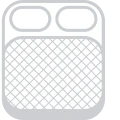
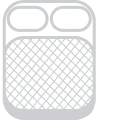
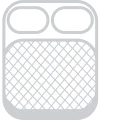
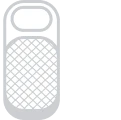
 Hybrid
 Individual Pocketed Coil
 Foam
Foam Open Coil
 Latex
Latex


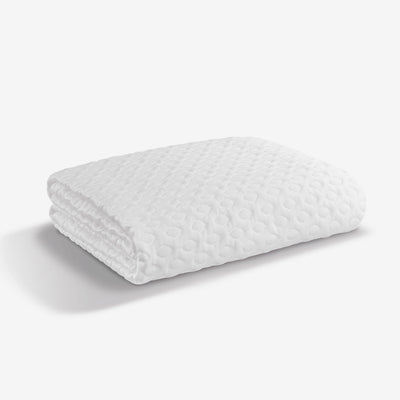


Does your partner’s tossing and turning make your side of the bed feel like a trampoline? That’s motion transfer, where every little movement ripples across the entire mattress. The solution is a feature called motion isolation. It’s designed to absorb that energy right at the source, using smart materials like dense memory foam or individually wrapped coils. A great motion isolation mattress ensures that when one person moves, the other feels practically nothing. We'll break down how different mattress types handle this, helping you find a bed that finally delivers a still and peaceful night's sleep.
Key Takeaways
- Choose Materials That Absorb Movement: To effectively stop motion transfer, focus on mattresses made with high-density memory foam or hybrids that feature individually wrapped coils. These materials are specifically designed to absorb energy and prevent a ripple effect when your partner moves.
- Look Beyond Motion Control: While motion isolation is crucial for shared beds, it's just one factor in getting great sleep. Make sure your mattress also matches your preferred firmness, offers cooling properties if you sleep hot, and provides the right support for your primary sleep position.
- Test It in a Real-World Setting: The only way to truly know if a mattress isolates motion is to feel it for yourself. Lie down with your partner in-store or, even better, use an at-home trial period to see how the mattress performs during a typical night of sleep.
What Is Motion Isolation in a Mattress?
Have you ever been jolted awake by your partner tossing and turning, or by your dog jumping on the bed? If so, you’ve experienced poor motion isolation. Simply put, motion isolation is a mattress’s ability to absorb movement on one side of the bed so it doesn’t ripple across to the other side. Think of it as a built-in "do not disturb" sign for your sleep. A mattress with great motion isolation keeps those little disturbances contained, letting you and your partner sleep soundly through the night, no matter who’s having the restless dream.
Why Motion Isolation Matters for Restful Nights
For anyone who shares a bed, good motion isolation is non-negotiable for quality rest. When your mattress transfers every little movement, it can lead to constant sleep interruptions you might not even be aware of. These disruptions can pull you out of deep, restorative sleep cycles, leaving you feeling tired and groggy in the morning. A mattress that excels at isolating motion ensures that one person’s late-night bathroom trip or early-morning alarm doesn’t have to wake the other. This feature is crucial for achieving restful sleep and is a key factor for couples, parents with co-sleeping kids, and pet owners.
The Impact on Sleep Quality
A mattress with strong motion isolation does more than just feel comfortable—it actively protects your sleep. It works to stop you from being woken up by your partner tossing, turning, or getting out of bed. Every time you're disturbed, your brain is pulled from the deeper, more restorative stages of sleep, even if you don't fully wake up. A mattress that absorbs movement allows you to remain in those crucial sleep cycles longer, which is essential for physical recovery and mental clarity. This means you're more likely to wake up feeling genuinely rested and ready for the day, rather than feeling like you’ve been fighting for your side of the bed all night.
How It Affects Couples and Relationships
Motion isolation can be a true relationship-saver for anyone who shares a bed. When one person’s movements don’t disturb the other, it leads to deeper, more refreshing sleep for both partners. This is especially important if you and your partner have different sleep schedules, if one of you is a restless sleeper, or if you share the bed with a child or a pet. A mattress with excellent motion isolation is essential for light sleepers who wake up easily. By ensuring both of you get uninterrupted rest, you reduce the chances of sleep-deprived crankiness and resentment. Better sleep often leads to better moods and a happier partnership, making the right mattress a simple yet powerful investment in your shared life.
How Mattresses Absorb Movement
So, what’s the secret? It all comes down to the materials and construction inside your mattress. Mattresses with excellent motion isolation are designed to absorb and dampen energy from movement, rather than transferring it across the surface. Materials like memory foam are fantastic at this because their dense, contouring structure essentially swallows motion where it happens. Innerspring coils can also be effective, but only if they are individually wrapped. This design allows each spring to compress independently, preventing a chain reaction of movement across the bed. Experts often evaluate motion isolation with specific tests to see just how well a mattress can keep movement localized.
Which Mattress Type Is Best for Motion Isolation?
The material your mattress is made of is the single biggest factor in how well it isolates motion. Some materials are designed to absorb movement, while others have a natural springiness that can send vibrations from one side of the bed to the other. If you’ve ever been woken up by a partner tossing and turning, you know how crucial the right material is. Let’s break down how the most common types of mattresses stack up when it comes to keeping you asleep.
Why Memory Foam Excels at Motion Isolation
When it comes to motion isolation, memory foam is the undisputed champion. This material is famous for its viscoelastic properties, which means it absorbs energy and contours to your body. When your partner rolls over, the foam hugs their movement and keeps it from spreading to your side of the bed. Denser, high-quality memory foam provides the best results, creating a personal sleep zone where you’re less likely to be disturbed. If you’re a light sleeper or share your bed with a restless partner, a memory foam mattress is often the most straightforward solution for peaceful, uninterrupted nights.
A Note on Body Impressions
It’s worth noting that the very feature that makes memory foam so great at isolating motion—its ability to contour—can create what are known as body impressions. This isn't a sign of a faulty mattress; it's proof that the foam is doing its job. These slight indentations show that the material is conforming to your unique shape, providing personalized pressure relief and creating that "sleep zone" that stops motion in its tracks. Unlike sagging in an older, worn-out mattress, these impressions in high-quality foam are temporary. The material is designed to slowly bounce back, ensuring you get that same customized support night after night without sacrificing the integrity of your bed.
Hybrid Mattresses: The Best of Both Worlds
Hybrid mattresses offer a fantastic compromise, combining the support of an innerspring system with the motion-absorbing qualities of foam or latex. The key is their coil system. Unlike traditional springs, hybrids use individually wrapped coils (often called pocketed coils) that move independently. This means a disturbance on one side doesn't create a wave effect across the bed. When topped with thick layers of memory foam, a hybrid like the Helix Mattress can provide exceptional motion isolation while still offering a bit more bounce and airflow than an all-foam bed. This makes them a great choice for couples with different preferences.
Latex: Bouncy Feel, Minimal Disturbance
Latex mattresses are known for being more responsive and buoyant than memory foam. While they do a decent job of isolating motion, they don't absorb it quite as completely. You might feel a little more movement compared to a memory foam mattress, but it’s still a significant improvement over a traditional innerspring. Latex is a great option if you want good motion isolation but dislike the slow-sinking feeling of memory foam. It offers a quicker response time, making it easier to change positions without feeling stuck in the mattress, and it’s also a durable, natural material.
Point Elasticity vs. Bounce in Latex Hybrids
Let's talk about two terms you might hear: point elasticity and bounce. Point elasticity is just a technical way of saying the mattress can compress in one specific spot without the whole area sinking. Think of pressing your hand into the mattress—only the area directly under your hand gives way. Latex is excellent at this, which is why it helps minimize motion transfer. "Bounce," on the other hand, is that responsive, springy quality that makes it easy to get in and out of bed. The magic of a latex hybrid lies in how its unique construction balances both. The latex layer provides that localized compression, while the pocketed coils underneath offer a supportive lift, giving you the best of both worlds: minimal disturbance and easy movement.
Why Traditional Innerspring Falls Short
If motion isolation is your top priority, a traditional innerspring mattress is probably not the right choice. These mattresses feature a network of interconnected coils, meaning the entire spring system is wired together. When you press down on one part of the bed, the whole structure reacts. This design is what causes significant motion transfer, making you feel nearly every toss and turn from your partner. While modern hybrids have solved this problem with pocketed coils, the construction of a classic innerspring makes it the least effective option for stopping motion.
The Modern Innerspring Exception
While traditional innerspring mattresses with their interconnected coils are known for creating a ripple effect with every movement, modern innovations have created a major exception to the rule. The solution comes in the form of hybrid mattresses, which pair a supportive coil system with the motion-absorbing qualities of foam. The secret is in their construction. Instead of a wired-together network, hybrids use individually wrapped coils that move independently. This design means that when your partner shifts on their side, the springs beneath them compress without affecting the springs on your side. This allows you to get the classic bounce and airflow of an innerspring without sacrificing the peace and quiet of excellent motion isolation, making it a perfect compromise for couples.
What to Look for in a Motion Isolation Mattress
When you’re on the hunt for a mattress that stops motion in its tracks, it helps to know what to look for under the hood. The magic isn't just in the brand name; it's in the specific materials and construction methods used. Certain features are superstars at absorbing movement, ensuring that your partner’s tossing and turning doesn’t become your midnight wake-up call. Let’s break down the key components that make a mattress great at motion isolation so you can shop like a pro.
The Role of High-Density Foam
High-density foam, especially memory foam, is a champion at absorbing movement. It contours to your body, creating a personal cradle that stops motion from spreading. When your partner shifts, the foam compresses locally instead of sending a wave to your side. Denser, higher-quality foams are the most effective at this. When you're looking at different mattresses, a thick comfort layer made of dense foam is a great indicator of strong motion isolation, promising a more peaceful and undisturbed night’s sleep for you and your partner.
How Pocketed Coils Stop Movement
If you prefer the support of springs but hate the bounce, individually wrapped coils are the answer. Unlike traditional innersprings where coils are linked together, these are encased in fabric and move independently. This means pressure on one coil doesn't affect its neighbors, effectively killing motion transfer. This design is a core feature of modern hybrid mattresses, which combine the benefits of foam with the sturdy, isolated support of a pocketed coil system. It’s the perfect solution for getting deep support without the disruptive bounce.
Does Mattress Thickness Affect Motion?
The overall design and thickness of a mattress are crucial for stopping motion. Generally, a thicker mattress with several distinct layers is better at absorbing and isolating movement. Any motion has to travel through more material, which dampens the energy along the way. However, keep in mind that mattresses built for extreme motion isolation can sometimes feel less responsive or bouncy. This can be a drawback for combination sleepers who change positions frequently. The goal is to find a construction that isolates movement effectively without making you feel stuck in one spot.
How Firmness Affects Motion Transfer
It might seem counterintuitive, but a firmer mattress can be better at isolating motion. This is because you tend to sleep more on top of a firm surface rather than sinking deeply into it. This position helps contain your movements and prevents them from creating a ripple effect across the bed. While a soft mattress can still isolate motion well if it uses high-density foams, a firmer feel often prevents the widespread dip that transfers movement. Ultimately, you should choose a firmness that provides the right support and comfort for your body and sleep style.
How to Test a Mattress for Motion Isolation
Reading about motion isolation is one thing, but feeling it for yourself is the only way to know for sure. Whether you’re shopping in a store or trying a mattress at home, a few simple tests can tell you everything you need to know about how well it absorbs movement. These hands-on methods will help you find a mattress that lets you and your partner sleep soundly through the night, no matter who’s tossing and turning.
Putting a Mattress to the Test In-Store
When you’re at the store, don’t be shy about putting a mattress to the test. The easiest way is to bring your partner or a friend with you. Lie down on the mattress in your preferred sleeping position and have the other person move around, roll over, and get on and off the bed. Do you feel their movements, or does the mattress keep you stable? Then, switch places. This direct approach gives you an immediate sense of how much motion is transferred from one side to the other. It’s a simple but effective way to experience firsthand how well the mattress absorbs energy.
Understanding Motion Isolation Scores
While trying a mattress in person is a great reality check, you’ll also see "motion isolation scores" in online reviews. Think of these scores as a standardized report card for how well a mattress absorbs movement, which makes comparing models online much easier. Testers use objective methods, like dropping a weighted ball on one side and measuring the ripple effect, or the famous wine glass test. A high score means the mattress is a pro at stopping motion transfer. Unsurprisingly, mattresses with dense memory foam or hybrids with pocketed coils are the ones that consistently ace these standardized tests, making them a reliable bet for anyone who shares a bed.
Using Your Sleep Trial to Check for Motion
While an in-store test is a great start, nothing beats trying out a mattress in your own bedroom. Many companies offer trial periods, which are perfect for testing motion isolation in a real-world setting. Over the course of a few weeks, you can see how the mattress performs during your typical sleep routine. You’ll find out if your partner’s late-night bathroom trip or early-morning alarm wakes you up. This extended trial gives you a much more accurate picture than a few minutes in a showroom and is the best way to ensure you’ve found the right fit among the many mattresses available.
Typical Length of Sleep Trials
So, how long do you actually get to test drive your new mattress? Most companies offer a trial period that falls somewhere between 90 and 120 nights, with the average being about 100 nights. This timeframe isn't random—it gives your body several weeks to fully adjust to a new sleep surface. While some brands offer a full year to decide, you’ll rarely see a trial shorter than 30 days. This extended test run is crucial because mattress trials are designed to give you complete confidence in your choice, ensuring you have plenty of time to experience how the bed performs through different nights of sleep.
What Does Good Motion Isolation Feel Like?
A classic way to check for motion transfer is the water glass test. Carefully place a full glass of water on one side of the bed, then have someone lie down or move around on the other side. According to the Sleep Foundation, if the mattress has good motion isolation, the glass won't spill. Just be sure to have a towel handy! Also, keep in mind that mattresses with excellent motion isolation are often less bouncy. This can make it slightly more difficult to change positions, which might be a consideration for combination sleepers who move around a lot during the night.
Beyond the Mattress: Other Ways to Reduce Motion Transfer
While your mattress is the main hero in the fight against motion transfer, it doesn’t work alone. The foundation it rests on and even the way your bed is configured can play a significant role in how much movement you feel. A top-of-the-line mattress on a flimsy, squeaky frame will still leave you feeling every toss and turn. By paying attention to your entire sleep setup, you can create a truly stable and peaceful environment that lets your motion-isolating mattress perform at its best, ensuring you and your partner get the undisturbed rest you deserve.
The Impact of Your Bed Frame
Think of your bed frame as the foundation of your house—if it’s not solid, everything built on top of it will feel unstable. A weak or poorly constructed frame can introduce its own creaks, shakes, and vibrations, completely undermining the motion-isolating features of your mattress. A sturdy, well-supported frame is essential for creating a quiet and still sleep surface. It ensures that the only movement you have to worry about is the one happening on the mattress itself, allowing its materials to absorb the energy effectively without any outside interference from a wobbly base.
How a Solid Foundation Helps
A solid foundation provides a stable, even surface for your mattress, which is critical for proper performance and longevity. When your mattress is fully supported, it can absorb and distribute energy as it was designed to. A weak frame with inadequate support can cause the mattress to sag or flex, which can actually amplify motion transfer. By ensuring your bed frame is strong and has sufficient slats or a solid platform, you create the perfect stage for your mattress to do its job of dampening movement and providing a peaceful night's sleep.
Adjustable Bases for Stability
An adjustable base does more than just let you sit up in bed to read; it can also be a powerful tool for reducing motion transfer. These bases provide a solid, articulated foundation that moves with your mattress. By elevating your head or feet, you can create a more personalized and secure sleeping position, which can help isolate your movements to your side of the bed. An adjustable base offers a level of stability and customization that a standard frame can't match, making it an excellent partner for a motion-isolating mattress.
Alternative Solutions for Your Current Bed
If you're not quite ready to invest in a new mattress, there are still a few strategies you can use to help minimize disturbances on your current bed. These solutions focus on creating physical separation or enhancing the motion-absorbing properties of your existing setup. While they may not be as effective as a mattress specifically designed for motion isolation, they can provide noticeable relief for light sleepers and restless partners, helping you get closer to an uninterrupted night of sleep without a complete overhaul of your bedroom.
Using a Split Mattress Configuration
For couples who are extremely sensitive to movement, a split mattress setup is the ultimate solution. This typically involves placing two Twin XL mattresses side-by-side on a King-size frame, creating what’s known as a Split King. This configuration creates a physical gap between the two sleep surfaces, making it virtually impossible for motion to transfer from one side to the other. It’s an ideal choice if you and your partner have drastically different sleep schedules or movement habits, as it guarantees that one person’s restlessness won’t disturb the other.
Adding a Thick Comfort Layer
A mattress’s ability to absorb motion often comes from its top layers of foam. If your current bed feels too bouncy, it might be because it lacks a substantial comfort layer to dampen movement. A thick layer of dense foam is a key feature in mattresses with strong motion isolation because it absorbs energy at the source. While you could look for a temporary fix, the most effective long-term solution is to choose a mattress that has these deep, motion-absorbing layers built right in, ensuring the entire sleep system works together seamlessly for a peaceful night.
Our Top Mattress Picks for Undisturbed Sleep
When you’re ready to stop feeling every toss and turn from your partner, finding the right mattress is everything. It’s the difference between waking up refreshed and starting your day already feeling exhausted. But with so many options out there, making a choice can feel overwhelming. That’s where we come in. We’ve helped countless people in the Katy, Richmond, and Rosenberg areas find their perfect match, and we’ve learned a thing or two about what truly works for undisturbed sleep.
Based on what we know about motion isolation, two types of mattresses consistently stand out for delivering a peaceful, still night. These are the options we recommend time and time again for couples with different sleep schedules, light sleepers, or anyone who shares a bed with a restless partner (or a pet that loves to dream-chase). Think of this as your curated short list, designed to cut through the noise and get you closer to the quiet, restful sleep you deserve. We’ve selected these categories because they offer proven technology designed specifically to absorb movement and keep your side of the bed completely calm.
Our Favorite Memory Foam Mattresses
Memory foam is the classic hero of motion isolation for a reason. Its unique viscoelastic material is engineered to contour and hug your body, which means it absorbs energy and stops movement right where it happens. When your partner rolls over, the foam compresses directly beneath them without sending a ripple effect across the bed to you. Denser, high-quality foam layers are especially effective at this, creating a personal sleep zone that feels undisturbed. This makes it an ideal choice for anyone who prioritizes stillness above all else. If you or your partner are easily woken up, exploring our collection of mattresses is the perfect place to start your search for a truly quiet night.
Our Favorite Hybrid Selections
If you love the sound of memory foam but don't want to give up the supportive, responsive feel of a traditional mattress, a hybrid is your answer. These mattresses offer the best of both worlds by combining plush comfort layers with a spring-based core. The secret is that they use individually wrapped coils, often called pocketed coils. Because each spring moves independently, a dip on one side of the bed doesn’t pull the surrounding springs down with it. Paired with a thick foam layer on top, you get incredible motion isolation plus sturdy support. Brands like Helix have perfected this design, making them a go-to recommendation for those who want a balanced feel without compromise.
Are There Downsides to High Motion Isolation?
While a mattress that stops motion in its tracks sounds amazing, especially for light sleepers, it’s helpful to know about the potential trade-offs. The very qualities that make a mattress excellent at absorbing movement can affect other aspects of its performance, like bounce, temperature, and overall feel. Finding the right mattress isn't about finding one that’s perfect at a single feature; it’s about finding the one that strikes the right balance for your unique sleep needs.
Materials that excel at motion isolation, like dense memory foam, work by absorbing energy. This is fantastic for keeping your partner’s tossing and turning on their side of the bed, but it can also mean the mattress has less of a springy, responsive feel. For some, this is a fair trade, but for others, it can be a dealbreaker. Let’s look at a few things to keep in mind as you shop.
The Trade-Off: Less Bounce
Mattresses that are champions of motion isolation can sometimes be less bouncy, which can make moving around on the surface feel like more of an effort. If you’re a combination sleeper who changes positions throughout the night, you might find a highly absorbent mattress a bit restrictive. Instead of the bed quickly adapting to your new position, you might feel like you’re slowly pressing into it. For a great middle-ground option, many people find that a Helix Mattress offers the ideal blend of motion-dampening foam and responsive coils, giving you the best of both worlds.
The Deal with Heat Retention
Traditional memory foam is famous for its ability to absorb movement, but it also has a reputation for trapping body heat. The dense structure that makes it so effective at isolating motion can also limit airflow, causing some sleepers to feel uncomfortably warm during the night. Thankfully, mattress technology has come a long way. Many modern foam and hybrid mattresses now include advanced cooling features like gel-infused foams, open-cell construction, or graphite infusions to pull heat away from your body. Pairing your mattress with cooling pillows can also make a huge difference in maintaining a comfortable temperature all night long.
That "Sinking In" Feeling
The secret to memory foam’s motion-stopping power is the way it contours to your body, creating a personalized cradle. This body-hugging sensation keeps movement localized to one spot. For many, this deep hug is the definition of comfort and pressure relief. However, some people find this "sinking in" feeling to be a bit too much, describing it as feeling stuck or trapped in the mattress. It really comes down to personal preference. The best way to know what you like is to try out a few different mattresses to see if you prefer sleeping “in” the bed or “on” it.
It's Not Just About Motion: Finding the Right Balance
Finding a mattress that stops motion in its tracks is a huge win, but it's only one piece of the sleep puzzle. The perfect mattress for you will also match your comfort preferences, keep you cool, and support your body all night long. Think of it as a balancing act. You want a bed that prevents you from feeling every toss and turn, but not at the expense of other crucial features that contribute to deep, restorative rest. Let’s walk through how to find that sweet spot where excellent motion isolation meets your other sleep needs.
Finding Your Ideal Firmness Level
Your ideal firmness level is personal, but it plays a big role in how a mattress handles movement. Generally, firmer mattresses do a great job of stopping motion transfer because you tend to sleep more on top of the surface rather than sinking deep into it. A softer mattress might feel cozy, but that deep sinkage can sometimes translate to feeling more of your partner's movements. The key is to find a firmness that feels comfortable and supportive to you while still providing the stability you need for an undisturbed night. Don't sacrifice the feel you love just for motion control; the right mattress will give you both.
Prioritizing Cooling Features
Memory foam is the undisputed champion of motion isolation, thanks to its dense, energy-absorbing structure. However, traditional memory foam has a reputation for trapping body heat. If you're a hot sleeper, this can be a deal-breaker. Luckily, modern mattresses have come a long way. Many foam and hybrid models now include advanced cooling technologies like gel-infused foams, breathable covers, or copper infusions to help regulate temperature. A Helix mattress, for example, often incorporates features designed to keep you cool while still delivering that motion-dampening performance you’re looking for.
Matching Support to Your Sleep Style
How you sleep matters just as much as who you sleep next to. Whether you're a side, back, or stomach sleeper, your mattress needs to provide targeted support to keep your spine aligned and relieve pressure points. A side sleeper, for instance, needs a surface that cushions the shoulders and hips. A mattress can have incredible motion isolation, but if it doesn't support your sleep position correctly, you'll still wake up sore. Look for a bed that combines motion-absorbing layers with zones designed for ergonomic support. Pairing your mattress with an adjustable base can also help you fine-tune your position for ultimate comfort.
Common Motion Isolation Myths to Ignore
When you start shopping for a new mattress, you’ll come across a lot of information about motion isolation—and not all of it is accurate. It’s easy to get tangled up in myths that can lead you away from the perfect bed for your needs. Let’s clear up some of the most common misconceptions so you can focus on what really matters: getting a peaceful, uninterrupted night’s sleep. Understanding the truth behind these myths will help you choose a mattress that truly stops the ripple effect from a restless partner or a pet jumping on the bed.
Myth: It Only Matters for Couples
It’s easy to think of motion isolation as a feature just for couples, but the truth is, it benefits anyone who shares their bed. If you’ve ever been woken up by a child crawling into bed after a bad dream or a dog who can’t seem to settle down, you know that disturbances can come from anywhere. Light sleepers, in particular, will find that a mattress with excellent motion isolation makes a world of difference. It ensures that movements on one side of the bed are absorbed before they can travel across the surface and jolt you awake.
Myth: All Foam Mattresses Are the Same
While foam is generally fantastic for absorbing movement, it’s a mistake to assume all foam mattresses are created equal. The effectiveness of motion isolation in a foam mattress comes down to the material’s density and thickness. High-density memory foam, for example, is exceptional at contouring to your body and stopping motion in its tracks. It essentially swallows up the energy from movement. However, a mattress made with lower-density or more responsive foams might not offer the same level of isolation. When you’re shopping, pay attention to the specific types of foam layers used in the construction.
Myth: Firmer Is Always Better for Isolation
Many people believe that a rock-solid mattress is the key to stopping motion transfer, but that’s an oversimplification. While some firm mattresses do a good job because you sleep more on top of them, the mattress’s internal construction is far more important than its firmness level alone. A well-designed hybrid mattress with individually wrapped coils can isolate movement just as effectively as a foam bed, because each spring reacts independently. The best approach is to find a mattress with the right internal components for isolation while still providing the firmness level that feels most comfortable for you.
Myth: A Higher Price Means Less Movement
You don’t need to empty your wallet to find a mattress that keeps movement at bay. Motion isolation is a result of smart design and quality materials, not a hefty price tag. You can find excellent options across various budget levels. Instead of focusing on the price, look for key features like high-density foam layers or pocketed coils. Sometimes, the most expensive mattresses are designed for extra bounce and responsiveness, which can actually work against motion isolation. It’s all about matching the mattress’s features to your sleep needs, not just assuming that more expensive means better performance.
Finding Great Motion Isolation on a Budget
Finding a mattress that keeps you from feeling every toss and turn doesn't have to be expensive. The secret isn't in the price tag; it's in the materials. To get the best motion isolation for your money, focus on mattresses made with high-density memory foam or hybrids that feature individually wrapped coils. These materials are specifically designed to absorb energy and stop that ripple effect before it reaches you. Memory foam is the classic hero of motion isolation for a reason, as its viscoelastic material is engineered to stop movement right where it happens. Instead of getting caught up in brand names, look at the construction of the mattresses you're considering. You can find incredible value and a peaceful night's sleep by prioritizing these key features and keeping an eye out for sales.
How to Choose the Best Motion Isolation Mattress
You’re ready for a mattress that lets you sleep soundly, even with a partner who tosses and turns. But with so many options, how do you narrow it down to the perfect one? Picking the right mattress is about more than just materials and firmness; it’s about how it fits into your life. The best mattress for you is one that not only stops motion in its tracks but also aligns with your budget, your space, and the way you and your partner sleep. By thinking through these key personal factors, you can move past the technical specs and find a mattress that delivers that peaceful, undisturbed rest you’ve been dreaming of. Let’s walk through the practical considerations that will guide you to the best choice for your bedroom.
Consider Your Partner's Sleep Habits
If you share your bed, your partner's (or pet's) sleep style is one of the biggest things to consider. Are they a restless sleeper? Do they get up for a glass of water in the middle of the night? If you’re a light sleeper, these small movements can feel like major disturbances. A mattress with excellent motion isolation absorbs that movement, so their tossing and turning doesn't transfer to your side of the bed. This is a true game-changer for couples with different schedules or sleep habits, ensuring you both get a better night's rest. Finding the right mattresses can make sharing a bed a much more peaceful experience.
Setting a Realistic Budget
Getting a quiet, stable bed doesn't mean you have to spend a fortune. Great motion isolation is available across a wide range of price points. Memory foam and hybrid mattresses are fantastic at minimizing motion transfer, and you can find excellent models that fit your budget. For example, many Helix Mattress models use individually wrapped coils and foam layers to provide strong isolation without a luxury price tag. Focus on mattresses built with high-density foams or pocketed coils, as these features are the key to stopping movement in its tracks, regardless of the overall cost.
Does Mattress Size Make a Difference?
Yes, it absolutely does. A larger mattress can significantly improve motion isolation, especially for couples. Think of it this way: more surface area means more room for movement to spread out and dissipate before it ever reaches you. If you and your partner feel a bit cramped on a Queen, upgrading to a King or California King can make a world of difference. That extra space acts as a natural buffer zone. When you’re exploring different mattresses, keep in mind that a bigger size isn't just about luxury—it's a practical way to ensure you both have enough personal space to sleep undisturbed.
Related Articles
- 5 Best Mattresses for Stomach & Side Sleepers (2025)
- 5 Best Medium Firm Hybrids for Back Pain Relief
- Major Differences Between Hybrid Mattresses vs Foam Mattresses?
Frequently Asked Questions
If I have to choose just one, what's the best mattress type for stopping motion? For pure, undisturbed stillness, a high-quality memory foam mattress is your best bet. Its dense material is specifically designed to absorb energy and stop movement in its tracks. However, if you don't love the deep, sinking feeling of foam, a hybrid mattress is an incredible runner-up. It combines the motion-stopping power of foam layers with the support of individually wrapped coils, giving you a great balance of stability and responsiveness.
My partner and I have completely different ideas of comfort. How can we find one mattress that works for both of us? This is a super common challenge, and it's exactly where hybrid mattresses shine. They are often the perfect compromise for couples with different preferences. The pocketed coil system provides consistent, independent support that works for various body types and sleep positions, while the top comfort layers can provide that plush, pressure-relieving feel one of you might love. A model like a Helix mattress, for example, is designed to offer this kind of balanced performance.
I sleep hot. Will a mattress that's good at motion isolation make me overheat? That's a valid concern, especially since traditional memory foam had a reputation for trapping heat. Thankfully, mattress technology has improved dramatically. Many of today's best motion-isolating mattresses, both foam and hybrid, are built with cooling features like gel infusions, breathable covers, or open-cell structures that promote airflow. You no longer have to choose between sleeping still and sleeping cool.
Does getting a bigger mattress, like a King instead of a Queen, actually help with motion transfer? Yes, it makes a surprising amount of difference. A larger surface area creates more space between you and your partner, which acts as a natural buffer. Any movement has farther to travel to get to your side of the bed, and the energy tends to dissipate along the way. Upgrading from a Queen to a King can be a simple yet highly effective strategy for reducing how much you feel your partner move.
How can I be sure a mattress will work for me in the long run? A few minutes in a store doesn't seem like enough. You're absolutely right. While an in-store test is a good starting point, the only way to truly know if a mattress isolates motion for your specific situation is to sleep on it. An in-home sleep trial is essential. This gives you weeks, not minutes, to see how the mattress performs with your partner's real-life sleep habits, ensuring you've made a choice that will lead to peaceful nights for years to come.


