








 Hybrid
 Individual Pocketed Coil
 Foam
Foam Open Coil
 Latex
Latex


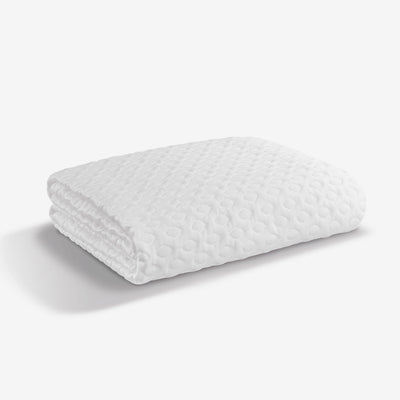


Let's clear up a couple of myths about orthopedic mattresses. First, the idea that they're all rock-hard and uncomfortable. While they are designed for serious support, today's best models use advanced materials like memory foam and hybrid coils for incredible comfort and pressure relief. The second myth is that one size fits all. The truth is, the right mattress for you depends on your body weight, sleep style, and specific pain points. This guide will help you understand your unique needs so you can find the perfect fit and buy an orthopedic mattress that offers the right balance of support and cushioning for your body.
Key Takeaways
- Look for support, not just hardness: A true orthopedic mattress is designed for spinal alignment and pressure relief. The goal is to find a medium to firm feel that supports your body's natural posture, not just the firmest option available.
- Tailor firmness to your sleep style: Your ideal mattress depends on your sleeping position and weight. Side sleepers typically need a softer surface to cushion their joints, while back and stomach sleepers often benefit from a firmer mattress to keep their spine straight.
- Make the most of the sleep trial: Your body needs a few weeks to adjust to a new mattress. Use the at-home trial period to ensure the mattress genuinely relieves pain and improves your sleep quality before you fully commit to the purchase.
What is an Orthopedic Mattress, Really?
If you've ever woken up with a sore back or stiff neck, you’ve probably heard the term "orthopedic mattress" thrown around. But what does it actually mean? It’s not just a marketing buzzword for an extra-firm bed. At its core, an orthopedic mattress is designed to do one thing really well: support your body, especially your spine, joints, and back. Think of it as a tool for better sleep posture. It’s built to help your body maintain its natural alignment while you rest, offering targeted support and pressure relief right where you need it most.
This type of mattress is often recommended for people dealing with chronic pain, recovering from injuries, or who are simply looking for a more supportive sleep surface. Instead of letting you sink in and curve your spine in unnatural ways, an orthopedic mattress provides a stable, even surface that distributes your weight properly. This helps reduce stress on your pressure points, like your hips and shoulders, allowing your muscles to fully relax. The goal is to wake up feeling refreshed and pain-free, not like you just went a few rounds in a wrestling match.
The Unregulated Truth About "Orthopedic"
Why to Look for Endorsements
Here’s a little secret about the mattress industry: the term "orthopedic" isn't officially regulated. That means any manufacturer can use it without meeting specific medical standards. While it usually implies a medium to medium-firm mattress designed for spinal alignment, you need to look beyond the label to find a truly supportive bed. The best way to do this is by checking for endorsements from reputable organizations. For example, a mattress recommended by the American Chiropractic Association (ACA) is a strong indicator of quality design. Additionally, look for certifications like CertiPUR-US, which confirms the foam is made without harmful chemicals. By focusing on these credentials, you can confidently choose a mattress that provides the support your body actually needs.
How They Align Your Spine for Better Sleep
The magic of an orthopedic mattress lies in its construction. These mattresses are specifically engineered to promote a healthy sleep posture with effective cushioning and support. Most fall into the medium to firm range, but that doesn't mean they feel like sleeping on a board. The ideal firmness really depends on your body weight, preferred sleeping position, and specific physical needs. For example, a side sleeper might need a slightly softer surface to cushion their shoulders and hips, while a back sleeper often benefits from firmer support to keep their spine straight. The key is finding that perfect balance that keeps your spine aligned without creating new pressure points.
Your Solution for Aches and Pains
When you’re dealing with back pain, the right mattress can make a world of difference. Orthopedic mattresses are often considered the gold standard for pain relief because they are built with spinal support as the top priority. Some models even undergo specific pain relief testing to measure how well they alleviate discomfort. Features like zoned support, which provides more firmness under your hips and a bit more give under your shoulders, are common. This targeted approach helps keep your spine in a neutral position all night long, which can significantly reduce lower back pain and stiffness by morning.
A Quick Note on Chronic Pain
If you're living with chronic pain, you know that a good night's sleep can feel out of reach. The right mattress can be a real turning point. Orthopedic mattresses are designed with spinal support as the top priority, helping to relieve pain by keeping your body in its natural alignment. But it’s not about finding the firmest option you can. A great orthopedic mattress also provides excellent pressure relief for sensitive areas like your shoulders, hips, and knees. Many use features like zoned support to give you more firmness where you need it and a bit more softness elsewhere. The goal is to find a mattress that supports your body's natural posture, helping you wake up with less pain and more energy.
Orthopedic Mattress Myths, Busted!
There are a couple of common misconceptions about orthopedic mattresses that are worth clearing up. The first is the idea that they are a one-size-fits-all solution for everyone. In reality, the best orthopedic mattress is the one that fits your unique body and sleep style. What works for your friend might not work for you. Another myth is that all orthopedic mattresses are rock-hard. While they are designed to be supportive, modern versions use advanced materials like memory foam and latex to provide comfort and pressure relief. The focus is on good posture and support, not just firmness for firmness's sake.
Your Guide to Buying the Right Orthopedic Mattress
Once you know what an orthopedic mattress is, the next step is figuring out how to spot a great one. It’s not just about finding something firm; it’s about finding the right combination of features that work for your body and sleep habits. From the materials inside to the support it offers your spine, every detail matters. Here’s a breakdown of what to focus on during your search.
Finding Your Perfect Firmness Level
Finding the right firmness is key to getting the relief you need. Most orthopedic mattresses fall into the medium to firm range, typically a 5 to 7 on a 10-point scale. This sweet spot provides the ideal balance of gentle cushioning and sturdy support. A mattress that’s too soft can let your spine sink out of alignment, while one that’s too hard can create pressure points on your hips and shoulders. The goal is to keep your spine in a neutral position all night long, and a medium-firm feel is often the best way to achieve that for most people.
Foam, Latex, or Hybrid: Which Material is Best?
The materials inside your mattress determine how it feels and performs. The best orthopedic mattresses are often all-foam or hybrid models. All-foam designs are fantastic for contouring to your body and relieving pressure, while hybrids combine the cushioning of foam with the sturdy support of innersprings. For example, a Helix Mattress uses a hybrid construction to deliver targeted support and comfort. Latex is another excellent option, known for its responsive, durable, and naturally cooling properties. Each material offers a different feel, so think about whether you prefer to sink into your bed or sleep more on top of it.
Why Pressure Relief and Zoned Support Matter
A great orthopedic mattress is designed to optimize your sleep posture by prioritizing pressure relief and support. For anyone dealing with persistent back pain, this is a non-negotiable feature. A mattress with the right balance of cushioning and support helps maintain a healthy sleep posture throughout the night. Some advanced mattresses even offer zoned support, which means they are firmer in certain areas (like the lumbar region) and softer in others (like the shoulders). This targeted approach helps distribute your weight evenly and prevents pressure from building up, which can be a game-changer when paired with an adjustable base.
Look for Important Safety Certifications
When you’re focused on finding the right support and comfort, it’s easy to forget about what’s actually inside your mattress. But the materials are just as important for your health as they are for your back. A great mattress should create a clean and safe sleep environment, free from potentially harmful chemicals that can impact your home's air quality. This is where safety certifications come into play. They serve as a trusted, third-party verification that your new bed is made with your well-being in mind, giving you peace of mind that you’re bringing a safe product into your home.
Understanding CertiPUR-US and OEKO-TEX Labels
Two of the most common and reputable labels you’ll see are CertiPUR-US and OEKO-TEX. The CertiPUR-US certification applies specifically to any foam used in a mattress. It guarantees the foam meets rigorous standards for content and emissions, meaning it’s made without ozone depleters, heavy metals, formaldehyde, and certain flame retardants, while also having low VOC (Volatile Organic Compound) emissions for better indoor air quality. The OEKO-TEX STANDARD 100 is even more comprehensive. This label confirms that every single component of the mattress—from the fabric and thread to the zippers—has been tested for harmful substances and is safe for human health.
Don't Forget Size and Cooling Features
Your comfort goes beyond just support. The right size mattress gives you enough space to move freely without disturbing your partner, which is essential for uninterrupted sleep. But don't overlook temperature. Many people find they sleep hot, which can disrupt rest. Look for mattresses with cooling features like gel-infused memory foam, breathable covers, or hybrid designs that allow for better airflow. Fine-tuning your comfort with these features can lead to a much better sleeping experience and more effective pain relief. You can also add cooling mattress protectors to further enhance your sleep environment.
A Guide to Common Mattress Sizes
When you're browsing different mattresses, one of the first decisions you'll make is what size to get. This choice is about more than just fitting a bed into your room; it’s about creating a comfortable space for restful sleep. Here’s a quick look at the standard sizes to help you decide.
- Twin: Measuring 38 by 75 inches, a twin is the smallest standard mattress size. It’s a great choice for kids, single adults, or smaller guest rooms. A twin fits comfortably in a room as small as 7 by 10 feet, leaving space for other furniture.
- Full: Also known as a double, a full mattress is 54 by 75 inches. It’s a nice upgrade for a single sleeper who likes to spread out. While it can work for couples who don’t mind being close, many find it a bit too snug for two.
- Queen: The queen is the most popular mattress size, and for good reason. At 60 by 80 inches, it gives couples enough room to sleep comfortably. It's also a luxurious option for individuals who want plenty of space to themselves.
- King: If you want the most room possible, a king mattress is the way to go. It measures 76 by 80 inches, offering ample space for couples. It's the perfect choice if you often share your bed with kids or pets, but make sure your bedroom is at least 12 by 12 feet to accommodate it.
- California King: A California king is slightly narrower and longer than a standard king, at 72 by 84 inches. This size is ideal for taller individuals who need extra legroom to avoid having their feet hang off the end of the bed.
How to Choose the Right Firmness for Your Body
Finding the right firmness is the most important step in choosing an orthopedic mattress. What feels like a cloud to one person might feel like a rock to another. The goal isn't just comfort, it's proper spinal alignment. The right mattress holds your spine in a neutral position, relieving pressure on your joints and allowing your muscles to relax completely. If a mattress is too soft, your hips and shoulders will sink too far, misaligning your spine. If it's too firm, it will create pressure points and fail to support the natural curve of your lower back. This is why a "one-size-fits-all" approach rarely works when it comes to sleep health, and why taking the time to understand your body's needs is so critical.
Think of firmness as a partnership between you and your mattress. It needs to be supportive enough to hold you up but gentle enough to cushion your body's curves. Your ideal firmness level depends on your sleeping position, body weight, and any specific pain you might be experiencing. Most people find their sweet spot in the medium to firm range, but understanding your unique needs will help you find the perfect match for a truly restorative night's sleep. Don't just guess; a little bit of research now can save you from years of restless nights and morning aches.
How Your Sleep Style and Weight Affect Firmness
Your primary sleeping position is a major factor in determining your ideal mattress firmness. Side sleepers generally need a slightly softer surface to cushion their shoulders and hips, while back sleepers do well with a medium-firm feel that supports the spine's natural curve. Stomach sleepers typically require a firmer mattress to keep their hips from sinking and putting a strain on their back.
Your body weight also influences how a mattress feels. Most orthopedic mattresses have a firmness level ranging from medium to firm because this amount of firmness generally provides the best combination of cushioning and support for the average person. If you are lighter, a mattress will feel firmer to you, so you might prefer something on the softer side. If you are heavier, you’ll need a firmer mattress to get adequate support.
Choosing a Mattress for Specific Aches and Pains
If you live with chronic pain, the right mattress can make a world of difference. For lower back pain, a medium-firm mattress is often the best choice because it provides enough support to keep your spine aligned while still contouring to your body. Some mattresses are specifically designed with enhanced lumbar support to target this common problem area.
For those with hip or shoulder pain, pressure relief is key. A mattress that cushions these sensitive joints can prevent you from waking up sore and stiff. Pairing your mattress with an adjustable base can also provide significant relief by allowing you to find a sleeping position that takes the pressure off painful areas. The right combination can help you get the deep, healing sleep you need.
Tips for Managing Pain Before Bed
Getting comfortable enough to fall asleep can feel like a battle when you're in pain. A few adjustments to your pre-sleep routine can make a huge difference. The main goal is to keep your spine in a neutral position, which helps reduce stiffness and soreness by morning. An adjustable base is an incredible tool for this, allowing you to elevate your head or feet to find a zero-gravity position that takes pressure off your lower back and hips. This isn't just about finding a comfortable angle; it's about actively managing pain before you even close your eyes. The right pillows are also essential for supporting your neck and maintaining that crucial alignment, creating the perfect setup for a restful night.
Medium-Firm vs. Firm: What's the Difference?
The line between medium-firm and firm can seem blurry, but the small difference can have a big impact on your sleep quality. A medium-firm mattress offers a balanced feel with noticeable contouring and solid support. It’s a great middle-ground option for couples with different preferences and for combination sleepers who change positions throughout the night.
A firm mattress, on the other hand, has less give and keeps you sleeping "on top" of the mattress rather than "in" it. This is often ideal for stomach sleepers and heavier individuals who need robust support. A quality hybrid mattress, like a Helix Mattress, often uses a combination of pocketed coils and foam layers to provide both deep support and pressure relief, making it a great choice for various sleep styles.
How to Test an Orthopedic Mattress Before You Buy
Once you start shopping, you’ll find that many mattresses claim to be orthopedic. But how can you tell which ones actually deliver the support you need? Evaluating a mattress goes beyond just lying on it for a few minutes in a showroom. You need to know what to look for under the surface. A truly great orthopedic mattress is a combination of smart design, quality materials, and features that cater to your body’s specific needs.
The goal is to find a mattress that not only feels comfortable but actively works to improve your sleep posture and reduce pain. This means looking at four key areas: how it supports your spine and relieves pressure, how well it’s built, how it handles things like movement and heat, and what kind of guarantee comes with it. By breaking down your evaluation into these categories, you can move past the marketing jargon and focus on what really matters for a restful, pain-free night. Think of it as a checklist to find the perfect foundation for your sleep health.
Does It Align Your Spine and Relieve Pressure?
The main job of an orthopedic mattress is to keep your spine in a healthy, neutral alignment while you sleep. It should also cushion your body’s pressure points, like your hips, shoulders, and knees. An orthopedic mattress prioritizes pressure relief and support with the goal of optimizing sleep posture. This balance is everything. If a mattress is too firm, it can create pressure and discomfort. If it’s too soft, your spine can sag out of alignment. The right one will contour to your body’s curves, providing a gentle cradle for your joints while the core of the mattress offers solid support to keep your back straight. When you’re testing different mattresses, pay attention to how your body feels in your preferred sleeping position.
Why Edge Support and Durability Are Non-Negotiable
Edge support might not be the first thing you think of, but it’s a huge indicator of a mattress’s quality and durability. Good edge support means the perimeter of the mattress is reinforced, so you won’t feel like you’re going to roll off if you sleep near the side. It also makes getting in and out of bed easier and gives you more usable surface area. Most orthopedic mattresses have a firmness level ranging from medium to firm, which provides a great combination of cushioning and support. This construction often contributes to stronger edges and a longer lifespan for the mattress. A brand like Helix is a great example of quality construction that holds up over time.
Testing for Motion Transfer and a Cool Night's Sleep
If you share your bed with a partner, motion isolation is a must. It prevents movement on one side of the bed from transferring to the other, so you won’t be woken up by their tossing and turning. The best orthopedic mattresses are often all-foam or hybrids, as foam layers are excellent at absorbing motion. Another key comfort factor is temperature control. If you tend to sleep hot, look for mattresses with cooling features like gel-infused memory foam, breathable covers, or hybrid designs that allow for more airflow. Pairing your mattress with an adjustable base can also improve circulation and overall comfort.
Understanding the Sleep Trial and Warranty
It can take your body a few weeks to adjust to a new sleep surface, especially if you’re used to an unsupportive one. That’s why a sleep trial is so important. Most online mattresses come with a sleep trial and free returns, which is especially helpful for making sure an orthopedic mattress properly cushions your joints and supports your body. Look for a trial period of at least 90 nights. A strong warranty is also a good sign. It shows that the manufacturer stands behind their product’s quality and durability. Before you buy, make sure you understand the terms of both the trial and the warranty. And don't forget to protect your investment with quality bedding.
Which Orthopedic Mattress Brands Are Best?
When you’re searching for a mattress to ease aches and pains, you’ll find a lot of brands claiming to be the best. The truth is, the "best" brand depends entirely on your unique needs, sleep style, and body type. However, some brands consistently earn top marks from experts and customers for their focus on spinal health and pain relief. For example, the Nectar Premier Memory Foam is often recommended for side sleepers due to its excellent pressure relief, while the Saatva Rx is specifically designed for spinal support.
Another standout is the Helix Midnight, which reviewers praise for its combination of comforting memory foam and supportive coils. At Mattress on Demand, we carry a curated selection of top-rated brands known for their orthopedic benefits. Instead of getting overwhelmed by online research, our team can help you compare these leading options side-by-side. We focus on understanding your specific pain points and sleep habits to match you with a mattress that will truly support you, night after night. We believe finding the right fit is the most important step toward better sleep and pain-free mornings.
Award-Winning Mattresses to Consider
Why the Helix Midnight is a Top Pick
When you’re looking for a mattress that truly gets the balance between comfort and support right, the Helix Midnight is a standout choice. As a hybrid mattress, it combines the pressure-relieving benefits of memory foam with the durable support of individually wrapped coils. This construction is exactly what you want in an orthopedic-style bed. The foam layers contour to your body to cushion your joints, while the coils provide a solid foundation that prevents your spine from sinking out of alignment. It’s a smart design that delivers targeted relief without making you feel like you’re sleeping on a board.
The Helix Midnight is especially popular because of its medium-firm feel, which hits the sweet spot for most back and side sleepers. One of its best features is the zoned support system. This means the mattress is engineered to be firmer under your hips to support your lower back and softer under your shoulders to provide necessary cushioning. This targeted approach is crucial for maintaining a neutral spine all night long, which is the key to waking up without stiffness and pain. It’s a thoughtful design that works with your body, not against it.
For anyone dealing with persistent aches, this combination of features can be a game-changer. The targeted support helps alleviate strain on your lower back, while the foam layers work to relieve pressure on your hips and shoulders. If you're in the Katy, Richmond, or Rosenberg area, we invite you to come try our collection of mattresses in person. Feeling the difference for yourself is the best way to understand how the right support can transform your sleep and help you wake up feeling refreshed and ready for the day.
Shopping for an Orthopedic Mattress in Katy, Richmond, or Rosenberg?
An orthopedic mattress isn’t just a firm bed; it’s a sleep system engineered to promote healthy sleep posture. The main goal is to provide a perfect balance of cushioning and support to keep your spine properly aligned while you rest. For anyone dealing with persistent back pain, this balance is key to finding relief. At Mattress on Demand, we help customers in Katy, Richmond, and Rosenberg find that ideal fit. We know the local community and understand that a great night's sleep is essential. Our team will guide you through our collection of mattresses, explaining how each one can support your body and help you wake up feeling refreshed and ready for the day.
What Makes a Quality Orthopedic Brand?
A quality orthopedic brand goes beyond marketing claims. These companies invest in research and materials specifically designed to support the body and encourage proper spine alignment. They understand that the right mattress can make a significant difference in reducing pain and improving sleep quality. A reputable brand will be transparent about its materials, construction, and the specific benefits its mattresses offer. They often have strong warranties and positive reviews from both sleep experts and everyday users who have experienced real relief. When you choose a trusted brand, you're investing in a product that was thoughtfully created to deliver on its promise of comfort and support.
Key Features of Top-Rated Orthopedic Mattresses
When comparing orthopedic mattresses, a few features make a big difference. First, look at the firmness level. Most orthopedic models range from medium to firm, as this level typically provides the best combination of contouring and support. While support is crucial, you also need adequate pressure relief, especially if you have joint pain. Some mattresses can feel too rigid, so look for models with contouring comfort layers that cushion sensitive areas like your hips and shoulders. Zoned support is another excellent feature, offering firmer support in the center third of the mattress to keep your spine aligned and softer support at the head and feet.
How Much Should You Expect to Pay?
Thinking about the price of an orthopedic mattress can feel a little overwhelming, but it’s helpful to frame it as an investment in your health. The cost can vary quite a bit based on materials, brand, and features. Instead of just looking for the cheapest option, focus on finding the best value for your specific needs. A quality orthopedic mattress is designed to last for years, providing consistent support and pain relief that can genuinely improve your day-to-day life. Let’s break down what goes into the price tag so you can feel confident in your decision.
Typical Price Range for a Queen Mattress
When you start shopping for a queen-sized orthopedic mattress, you'll notice prices can vary widely, from under $500 to well over $5,000. While budget-friendly options are out there, a quality mattress designed for lasting support and durability typically falls in the $800 to $1,600 range. This price point usually reflects superior materials, like high-density memory foam or advanced hybrid coil systems, that are engineered for effective pain relief. The cost often directly relates to the level of spinal alignment and pressure relief you'll experience. It's helpful to think of it less as a purchase and more as an investment in years of restorative, pain-free sleep that works for your budget.
Why Materials and Quality Impact the Price Tag
The materials inside your mattress are the biggest factor in its cost. Most of the best orthopedic mattresses are either hybrid or all-foam models because they provide an ideal combination of pressure-relieving cushion and sturdy support. High-density memory foam, natural latex, and individually wrapped coils are premium components that add to the price but also contribute to durability and performance. A mattress made with higher-quality materials will maintain its shape and supportive qualities for much longer, preventing the sagging that can lead to aches and pains. It’s a classic case of getting what you pay for.
Tips for Finding a Great Deal
Finding a great deal isn’t just about catching a holiday sale, though that certainly helps. The real value comes from finding a mattress that fits your body and your budget perfectly. Many retailers, including us at Mattress on Demand, offer financing options to make the purchase more manageable. Another key feature to look for is a sleep trial. A generous trial period gives you time to make sure the mattress is truly right for you, which prevents you from wasting money on the wrong fit. Pairing your new mattress with one of our adjustable bases can also be a great way to maximize your investment in comfort.
Think of It as an Investment in Your Health
An orthopedic mattress is more than just a place to sleep; it’s a tool for better health. Its main purpose is to promote healthy spinal alignment and relieve pressure on your joints, which can significantly reduce chronic pain. Waking up refreshed and pain-free has a ripple effect on your entire life, from your mood to your productivity. While the upfront cost might be higher than a standard mattress, the long-term benefits are priceless. Think of it as investing in years of restorative sleep and fewer days spent dealing with discomfort. A brand like Helix Mattress is a great example of a quality investment in personalized support.
Decoding Reviews and Expert Opinions
Before you make a decision, it’s smart to see what other people are saying. Customer reviews and expert opinions are your best source for real-world feedback on how a mattress actually performs. While product descriptions give you the specs, reviews tell you the story. They can highlight benefits you hadn't considered or warn you about potential issues that aren't listed on a label.
Think of it as getting advice from hundreds of people who have already done the research. By looking at their experiences, you can get a much clearer picture of whether a specific orthopedic mattress will meet your needs. The key is knowing what to look for in their feedback. Instead of getting lost in endless comments, focus on a few specific areas: what people love, what experts recommend for pain, and what red flags to watch out for. This approach helps you cut through the noise and find the information that truly matters for your comfort and health.
What Features Do Customers Love Most?
When you read through reviews for orthopedic mattresses, you’ll notice a common theme: genuine pain relief. Customers who are truly happy with their purchase often talk about the bed’s ability to ease their aches and pains. They highlight how the right combination of targeted support and pressure relief makes a real difference in their daily lives. Look for comments that mention waking up without stiffness or feeling supported in all the right places, especially around the back, hips, and shoulders. These firsthand accounts are proof that the right mattresses can deliver on their promise of a more comfortable, restorative sleep.
Expert Picks for Pain Relief
Sleep experts and product reviewers often test mattresses with a specific focus on spinal alignment and support. They recommend models that are specifically engineered to keep your spine in a neutral position, which is crucial for anyone dealing with chronic pain. For example, you’ll find that certain mattresses receive high scores for their ability to alleviate lower back pain because of their dedicated lumbar support zones. An expert recommendation can point you toward a Helix Mattress, which is known for its specialized designs that cater to different body types and sleep positions. This expert guidance can help you find a mattress built to address your specific pain points.
Understanding Performance Data
Beyond personal opinions, expert reviews often look at performance data to see how a mattress truly functions. This data provides objective measurements on key factors like spinal alignment, pressure relief, and motion isolation. For example, tests can show exactly how well a mattress cushions your hips and shoulders while keeping your spine in a neutral position. This information is incredibly valuable because it cuts through marketing claims and shows you how different mattresses are constructed to perform. Performance data can also reveal how well a mattress regulates temperature or how durable its materials are, giving you a complete picture of its quality and how it will support your sleep health for years to come.
How to Spot Red Flags in Customer Reviews
Just as important as positive feedback are the warnings you can find in critical reviews. A major red flag to watch for is when customers say a mattress is supportive but feels "rock hard." Some orthopedic models can overcorrect on firmness and lack the necessary contouring comfort. This is a significant problem for people with joint pain or conditions like fibromyalgia, who need a surface that cushions sensitive areas while still providing support. If you see multiple reviews mentioning a lack of pressure relief or a stiff feel, it might be a sign that the mattress isn't the right fit for you.
Where Should You Buy Your Orthopedic Mattress?
Once you know what you’re looking for, the next big question is where to find it. The choice between shopping online and visiting a local store can feel overwhelming, but both have their perks. Let's break down what to consider so you can make a decision that feels right for you.
Shopping Local vs. Online: What's Better?
Deciding between clicking "buy now" and visiting a showroom comes down to personal preference. Online stores offer a massive selection and the convenience of shopping from your couch. You can also read through hundreds of customer reviews to see how a mattress has worked for others with similar needs. On the other hand, nothing beats the experience of testing a mattress in person. Visiting a local store in Katy, Richmond, or Rosenberg lets you feel the support and firmness for yourself. You also get immediate, personalized advice from experts who can answer your questions on the spot.
Finding Your Fit at Mattress on Demand
An orthopedic mattress is specifically designed to give you excellent pressure relief and support, helping you maintain a healthy sleep posture. Most have a medium to firm feel, which provides an ideal blend of cushioning and stability for your spine. At Mattress on Demand, we help you find that perfect balance. Our team can guide you to the right mattresses, whether it’s a supportive hybrid model or a contouring memory foam bed. We take the time to understand your specific pain points and sleep habits, ensuring you leave with a mattress that truly supports your well-being.
Making Sense of Sleep Trials and Return Policies
One of the best innovations in the mattress industry is the sleep trial. Many brands offer a trial period, giving you weeks or even months to sleep on a mattress at home to be sure it’s the right fit. This is especially helpful for an orthopedic mattress, as it takes time to know if it’s properly cushioning your joints and alleviating pain. Before you buy, always ask about the trial period and return policy. A transparent policy gives you the confidence to invest in your sleep, knowing you won’t be stuck with a mattress that doesn’t work for you.
The Final Test: How to Try a Mattress Before You Buy
Finding the right orthopedic mattress is a hands-on process. Think of it like finding the perfect pair of shoes; you need to try them on to know if they’ll provide the right support where you need it most. A quick sit on the edge of the bed won’t cut it. To truly know if a mattress will deliver the pain relief and comfort you’re looking for, you need a solid testing strategy. This involves asking smart questions before you buy, knowing how to properly test a mattress in a showroom, and making the most of your at-home sleep trial. Let’s walk through how to do it right.
What to Ask Before You Buy
Before you get attached to a specific mattress, get familiar with the company’s policies. A quality orthopedic mattress should always come with a generous trial period and a solid warranty. These aren't just nice perks; they're indicators of the manufacturer's confidence in their product. A sleep trial gives you the chance to see if the mattress actually helps your back pain over several weeks. The warranty protects your investment against defects. Don't be shy about asking for the details on both. Understanding the return process and what the warranty covers will give you peace of mind and ensure you’re making a smart, risk-free investment in your sleep.
The Right Way to Test a Mattress in-Store
If you’re in the Katy, Richmond, or Rosenberg area, the best first step is to come test mattresses in person. When you’re in the showroom, don’t just poke the mattress or sit on the edge. Lie down for at least 10 to 15 minutes in your favorite sleeping position. This gives your body time to settle in and feel the support. Most orthopedic mattresses have a firmness level between medium and firm, which is the sweet spot for combining pressure relief and spinal alignment. As you lie there, pay attention to your hips, shoulders, and lower back. You should feel cushioned and supported, not like you’re sinking into a hammock or resting on a board.
How to Make the Most of Your At-Home Sleep Trial
Your body needs time to adjust to a new sleep surface, which is why the at-home sleep trial is so important. It can take a few weeks to know if a mattress is truly right for you. Make sure you sleep on it for at least 30 nights before making a final decision. During this time, notice how you feel when you wake up. Are you less stiff? Is your back pain improving? A great orthopedic mattress should properly cushion your joints and support your body all night long. And a quick tip: always use a mattress protector during the trial period. Most companies require the mattress to be in pristine condition if you decide to return it.
Related Articles
Frequently Asked Questions
Is an orthopedic mattress just another name for a firm mattress? Not at all. While many orthopedic mattresses are on the medium to firm side, their main goal isn't just hardness; it's intelligent support. A truly orthopedic mattress is designed to promote healthy spinal alignment. It contours to your body to relieve pressure on your joints while providing a stable foundation that prevents your hips from sinking too low. The focus is on that perfect balance of comfort and support, not just on creating a rigid surface.
How do I know if I actually need an orthopedic mattress? If you consistently wake up with stiffness, back pain, or soreness in your joints, it's a strong sign that your current mattress isn't providing the right support. An orthopedic mattress is specifically engineered for people who need better spinal alignment and pressure relief. You don't need a formal diagnosis to benefit from one; if you're looking for a way to get more restorative sleep and reduce morning aches, it's definitely worth considering.
What’s the real difference between a foam, latex, and hybrid orthopedic mattress? Think of it in terms of how the mattress feels and responds. All-foam models are excellent at contouring closely to your body, which is great for pressure relief. Latex offers a more responsive, buoyant feel, so you sleep more "on" the mattress than "in" it. Hybrids give you the best of both worlds: they combine the cushioning of foam or latex with the sturdy, breathable support of an innerspring coil system. The right choice really comes down to your personal preference for feel and support.
Will an adjustable base help with my back pain too? Yes, pairing an orthopedic mattress with an adjustable base can be a fantastic combination for pain relief. An adjustable base allows you to elevate your head and feet, which can take pressure off your lower back and improve circulation. Finding that perfect, slightly inclined position can provide immediate comfort and help your muscles relax more deeply, enhancing the supportive benefits of your mattress.
How long will it take for my body to adjust to a new orthopedic mattress? It's normal for there to be an adjustment period, especially if your old mattress was unsupportive. Your body has likely gotten used to sleeping in a misaligned position, so it can take anywhere from a few nights to a few weeks to adapt to proper support. This is exactly why sleep trials are so important. They give you the time you need to let your body settle in and truly feel the benefits.


